Big & Tall Chairs: Which Features Actually Matter for Comfort, Safety, and Long Workdays?
Big and tall chairs aren’t just oversized office seats; they’re a different class of support, fit, and durability. In wholesale office furniture and commercial office furniture searches, buyers often start with comfort, then realize dimensions, weight capacity, and frame strength matter just as much. In my experience, people feel the difference on day one—especially during long meetings or full shifts. Ahead, we’ll cover specs, value, use cases, and smart ways to buy without overpaying for premium features you may not need.
What Makes a Big & Tall Chair Different from a Standard Office Chair?
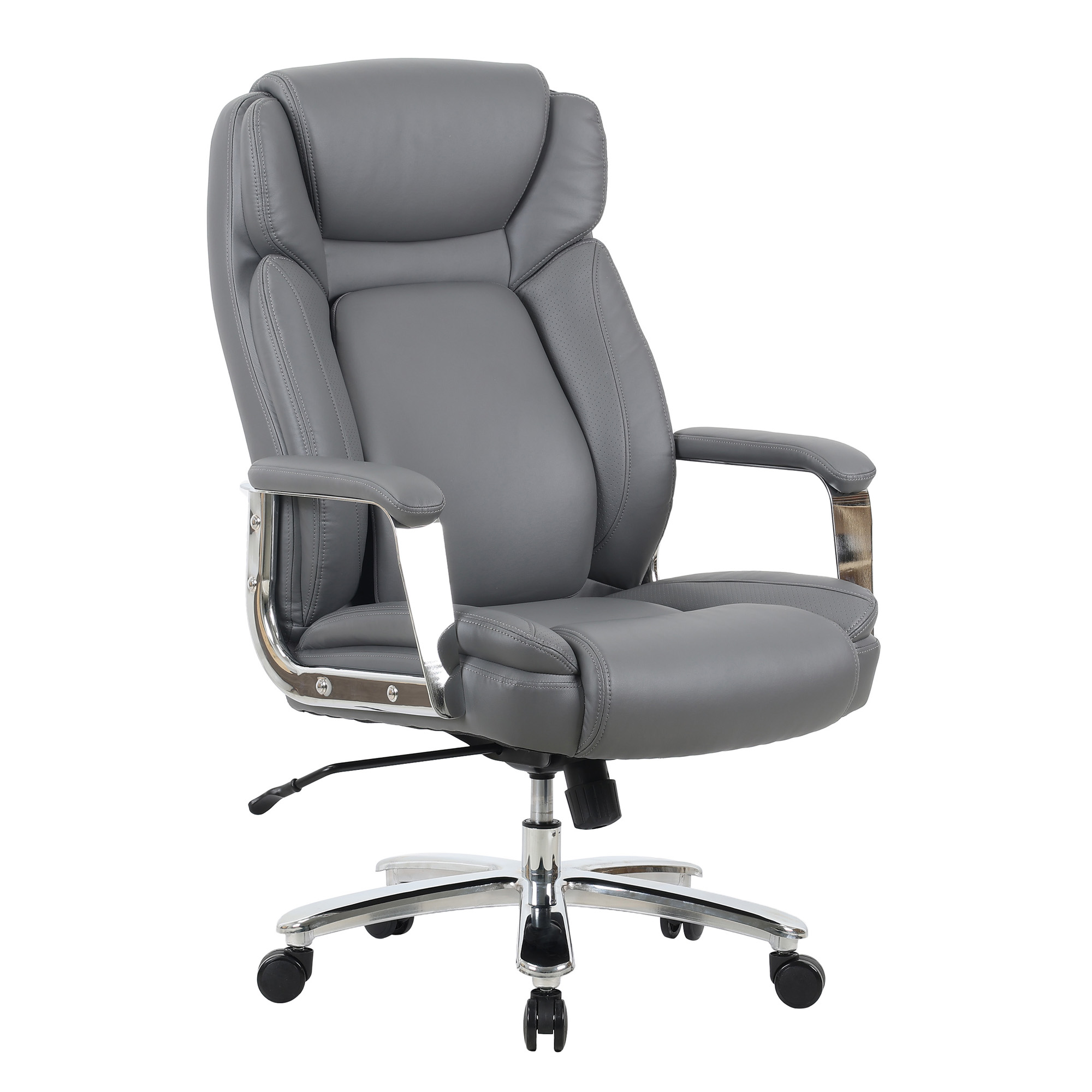
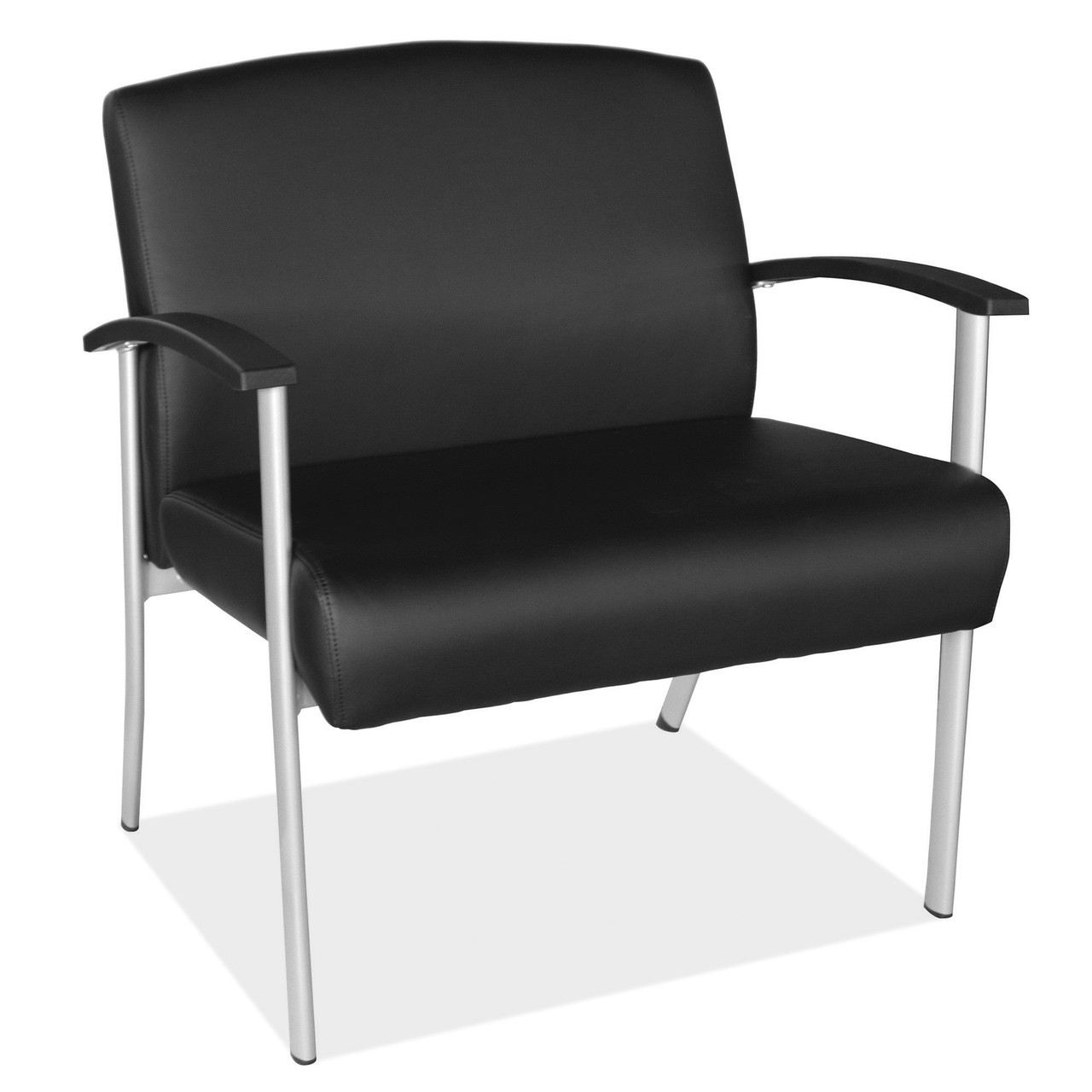
Big and tall chairs stand apart from standard office seating because the core specs are built for more load, more room, and less flex. A 400-lb. capacity, a wider 27.5-inch seating footprint, reinforced arms, larger backrests, and a black frame all work together to improve stability and confidence.
That extra structure usually means less wobble when someone shifts, leans back, or sits down quickly. I’ve always thought the best chairs feel almost invisible—solid, but not bulky. That’s the sweet spot. Materials matter too. Heavy-duty upholstery, steel-reinforced components, and high-density foam usually last longer and keep their shape better through daily use. You’ll also see ergonomic chairs wholesale buyers favor because they tend to reduce complaints and returns, which is a huge deal when you’re ordering for multiple seats. Bigger isn’t automatically better, though. A chair can look massive and still fit poorly if the seat depth is wrong or the arms crowd the user. Fit beats sheer size every time. If you’re shopping a broader big and tall seating category, focus on the dimensions first, then the finish, then the extras.Why Comfort and Ergonomics Pay Off Faster Than You Think
Comfort pays back faster than people expect because a chair that fits well reduces fatigue, pressure points, and constant posture shifts. When the seat depth, lumbar curve, and arm position are dialed in, users usually move less and focus more. That matters in call centers, reception areas, and back-office workstations where small annoyances pile up into real lost time.
In my IT days, I used to think of it like a stable network stack: when the foundation is solid, fewer distractions bubble up later. The chair doesn’t need to be fancy; it needs to be dependable. Premium options aren’t always worth it, especially for short guest visits or occasional use. But for all-day seating, the comfort ROI is usually strong. One solid chair can lower complaints, support better posture, and help people get through a long workday without that restless, shifting-around feeling. That’s why practical commercial office furniture keeps trending toward ergonomics, durability, and budget control instead of flashy add-ons. If you’re comparing comfort-focused seating with broader office planning, the workspace-first desk strategies we’ve covered elsewhere pair nicely with the same buying mindset: match the furniture to the real work pattern, not the showroom fantasy.Where Big & Tall Chairs Work Best in Real Offices
Big and tall chairs work especially well in executive offices, conference rooms, reception areas, training rooms, shared workstations, and visitor seating in client-facing spaces. Why? Because these rooms need dependable seating for a wide range of body types and work styles, and nobody wants to wonder whether a chair will feel flimsy the moment someone sits down.
Office managers buying in bulk often want a consistent look across the floor, especially when pairing seating with office desks bulk orders or conference tables wholesale purchases. That consistency helps the whole space feel intentional, not pieced together. For guest seating, first impressions count more than we like to admit. If a chair looks too narrow or too light, visitors notice immediately—sometimes before they even set down their bag. In my experience, the chairs that get the most compliments are usually the ones nobody thinks about. Then someone sits down, feels supported, and says, “Oh, this is nice.” That’s the win. If your layout also includes quieter focus zones or collaborative areas, the privacy-oriented workspace concepts can complement these chairs well, especially in mixed-use commercial office furniture plans.How to Judge Value Before You Buy Big & Tall Seating
Value is more than the sticker price. Compare weight rating, seat width, arm style, frame finish, warranty, and delivery lead time before you commit. A chair that costs a bit more upfront may still save money if it lasts longer, holds up to daily use, and cuts replacement cycles.
Common mistakes? Ignoring seat depth, underestimating room layout, or buying based only on looks. Those usually create headaches later, and nobody wants that after a bulk order arrives. Here’s a simple checklist: measure the user, measure the space, verify the load rating, confirm the materials, and review the warranty terms. I’d also add a sustainability note—durable chairs reduce churn and waste, which is increasingly important in commercial buying. If you want to compare current specs and availability, OfficeSource’s official site is the place to start. A slightly better-built chair can be the smarter long-term choice, even if the upfront number makes you pause for a second.OfficeSource Big & Tall Guest Chair Options: Which One Fits Your Space Better?
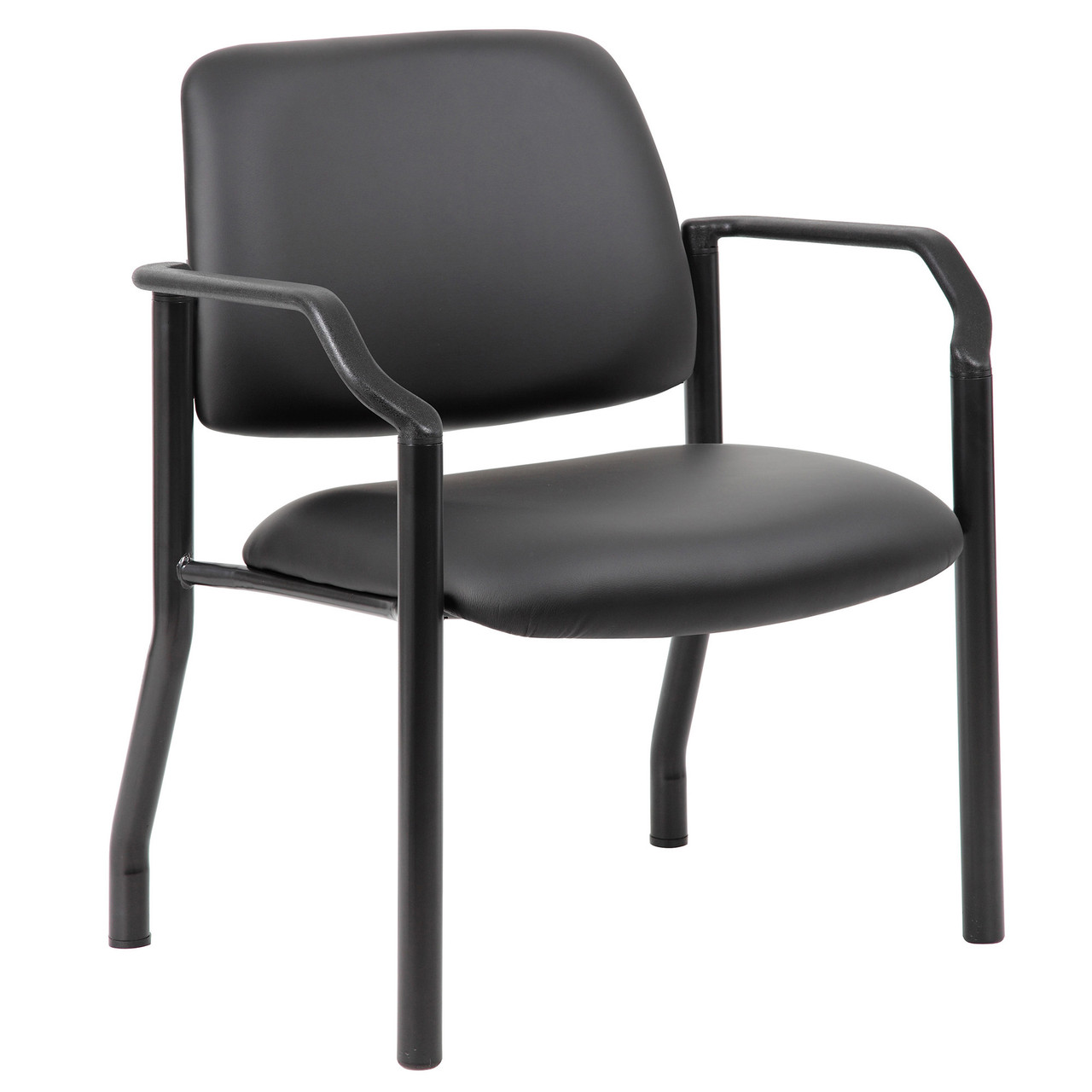
When comparing the first chair option with the second chair option, the real question is deployment. For OfficeSource | Big & Tall | Guest Chair with Arms and Black Frame - 27.5"W (Vendor: OfficeSource), the 400-lb. capacity, black frame, arm support, and 27.5-inch width make it a strong pick for reception areas and client-facing rooms. It feels like the safer primary seat. The other OfficeSource | Big & Tall | Guest Chair with Arms and Black Frame - 27.5"W (Vendor: OfficeSource) works well as a matching backup, a repeat purchase, or a companion piece when you want the same look across multiple rooms.
That uniformity matters more than people think, especially for commercial office furniture buyers scaling across a floor. The best choice often comes down to stock, quantity, and whether you’re furnishing one space or several. Either way, consistent durability and appearance make life easier.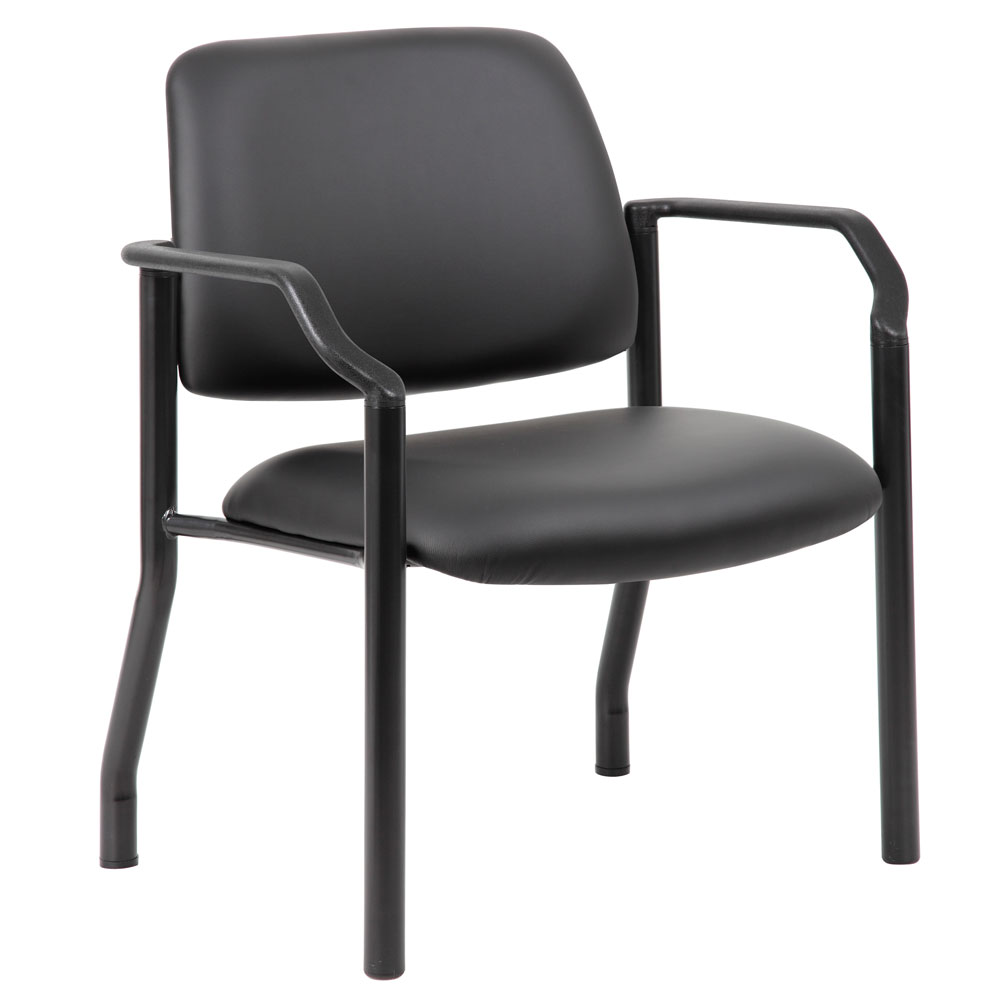
How to Choose and Set Up a Big & Tall Chair Without Guesswork
Start with the user: measure height, weight, and preferred seat depth. Then measure the workspace so the chair won’t crowd desks, walkways, or conference tables wholesale layouts. Next, confirm the load rating and arm-to-arm width.
After that, check floor compatibility—hard-floor casters, carpet, or fixed guest placement. Once the chair arrives, assemble it carefully and tighten fasteners in sequence so the frame stays square. That little detail matters more than people expect. After setup, test posture, lumbar alignment, and arm height after 10–15 minutes of sitting. If the user feels perched or squeezed, the chair is probably too narrow or the seat is too shallow. Quick Wins: small adjustments often solve more than expensive upgrades. A tiny height change, a better floor glide, or a slightly different desk distance can turn an almost-right chair into a genuinely comfortable one. I’ve seen that happen a lot in offices that thought they needed a new purchase when they really needed a better fit.Conclusion
Big and tall chairs are a practical investment, not a luxury add-on. The main decision points are simple: size fit, weight capacity, frame strength, comfort, and overall value. Premium chairs can be excellent, sure, but they’re not always necessary for occasional guest seating. What matters most is matching the chair to the actual work pattern, not the brochure image. That’s the part buyers in wholesale office furniture and commercial office furniture often learn the hard way. Measure the space, compare specs, and choose a chair that still feels solid months from now. In the best setups, the right seat disappears into the background—in a good way—so people can focus on work, not discomfort. If you’re ready to narrow things down, start with the big and tall chair category and compare the models against your layout, your users, and your budget.
Frequently Asked Questions
Common questions about Big & Tall Chairs