Standing Desks: Which OfficeSource Option Fits Your Workspace Best?
Are you trying to make long desk hours feel less draining without redoing the whole office? Standing desks are a practical upgrade for modern space planning, whether you’re outfitting a small team, a home office, or a growing department. They pair well with office chairs, office workstations, and commercial office furniture layouts. Wholesale buyers also appreciate durability and value. For product details, OfficeSource’s official site is a useful starting point for specs and options, and this guide keeps things practical.
What Makes a Standing Desk Worth Buying in the First Place?
At the core, a standing desk is about movement, posture variety, and a workspace that can handle different jobs through the day.
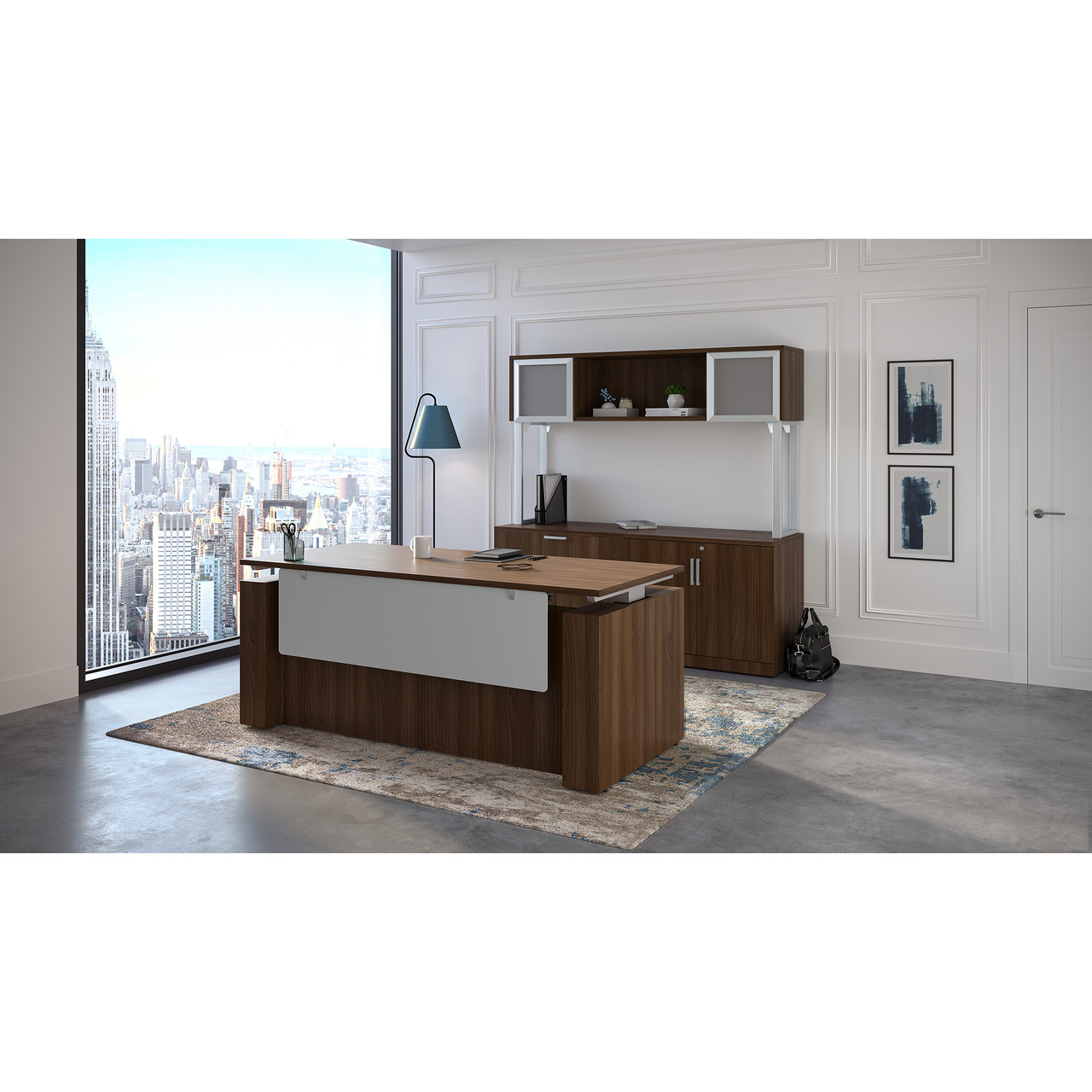
The features that matter most are pretty straightforward: a stable frame, the right top size, height compatibility, cable management, and enough room to work comfortably alongside ergonomic office chairs when you do sit. In my experience, premium isn’t always premium if the desk doesn’t fit how the space is actually used. I’ve seen standing desks used in IT help desks, admin stations, and shared office furniture store displays where flexibility matters more than fancy extras. New office furniture should solve a workflow problem, not just look polished. The payoff is real: less fatigue, better focus, easier collaboration, and a more modern feel for office furniture salt lake city and office furniture utah shoppers who want something practical but still professional. If the desk helps people move naturally between standing and sitting, it’s usually doing its job. You can also browse standing desk options in the category page when comparing finishes and sizes.How Size, Top Style, and Layout Change the Whole Experience
The physical details make or break daily use. Top width, depth, and cutout style affect everything, especially in smaller offices or bulk office furniture purchases where every inch counts. A file-top standing desk can work well when you need storage-friendly layout logic, while a credenza top feels more polished and better suited to front-office or executive areas.
Desk shape also changes monitor placement, keyboard reach, document flow, and room for accessories like docking stations and cable trays. From an IT perspective, this is where people get tripped up: if a desk is too shallow, screens sit too close; if it’s too wide, traffic flow and office space planning go sideways. Office desks need to support real work patterns—ticket queues, paperwork, dual monitors, client-facing tasks—not just a nice spec sheet. Quick Win: measure the full footprint, not just the top. That little step usually makes office furniture installation easier because the layout is planned early, not guessed at later.Why Standing Desks Can Improve Daily Workflow and Long-Term Value
Standing desks can make the workday feel less stuck, especially during long runs of email, coding, billing, or scheduling. Alternating positions often keeps energy steadier through the afternoon slump, which is one reason adaptable workstations are showing up everywhere.
Companies are balancing new office furniture with used office furniture to stay on budget, and honestly, that mix can work well if the core pieces are durable. Premium isn’t automatically better; sometimes a straightforward desk is the smarter buy for wholesale office furniture or multi-seat rollouts. I’ve seen it work for a receptionist who needs a clean front-facing setup, a manager building a better laptop-and-monitor station, or a hybrid office that rotates staff. Standing desks also complement conference tables, office workstations, and break-area planning because they support a more dynamic office culture. There’s a sustainability angle too: a desk that lasts can reduce replacement cycles and waste. That’s the ROI story—comfort, durability, and adaptability usually beat flashy extras. If you’re comparing commercial standing desk choices, start with the workflow first.Where Standing Desks Fit Best: Offices, Front Desks, and Shared Spaces
Standing desks are a strong fit for administrative teams, customer service desks, IT support areas, and reception setups where people move between tasks all day. In smaller spaces, one well-chosen desk can do the work of several pieces of furniture by keeping the footprint efficient.
Office furniture store buyers often compare standing desks with office chairs, office desks, and office workstations to find the best value. A growing startup may need a durable single-user setup, a school admin office may want something that stays organized, and a branch office in office furniture salt lake city might need a professional desk that’s easy to install. Budget alternatives matter too—sometimes a simpler top is all you need, especially with ergonomic office chairs and a solid monitor arm. Office furniture installation is simpler when the desk design is standardized and the room layout is already mapped out. The best desk is the one that fits the workflow, not just the catalog photo. That’s also why I’d pair this decision with a thoughtful office furniture layout strategy when planning the room.OfficeSource File Top vs. Credenza Top: Which Standing Desk Top Fits Better?
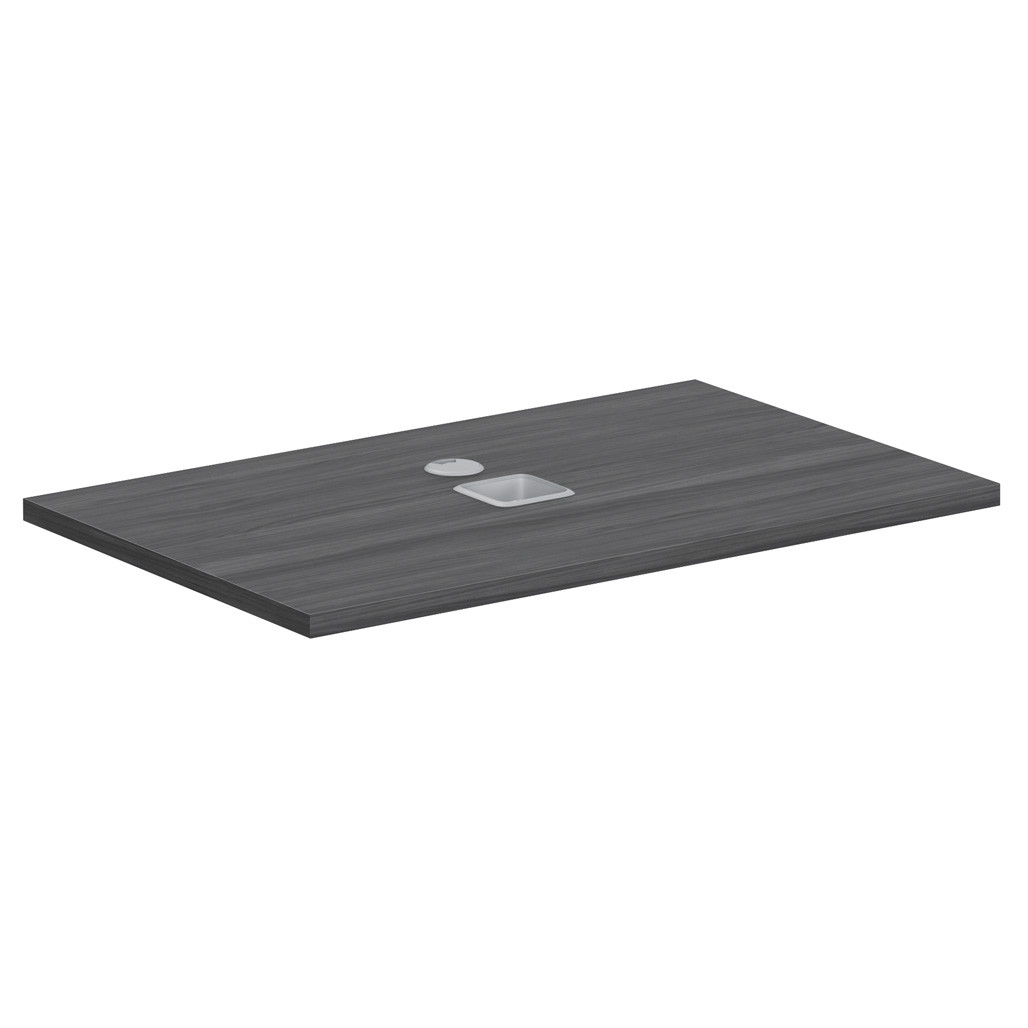
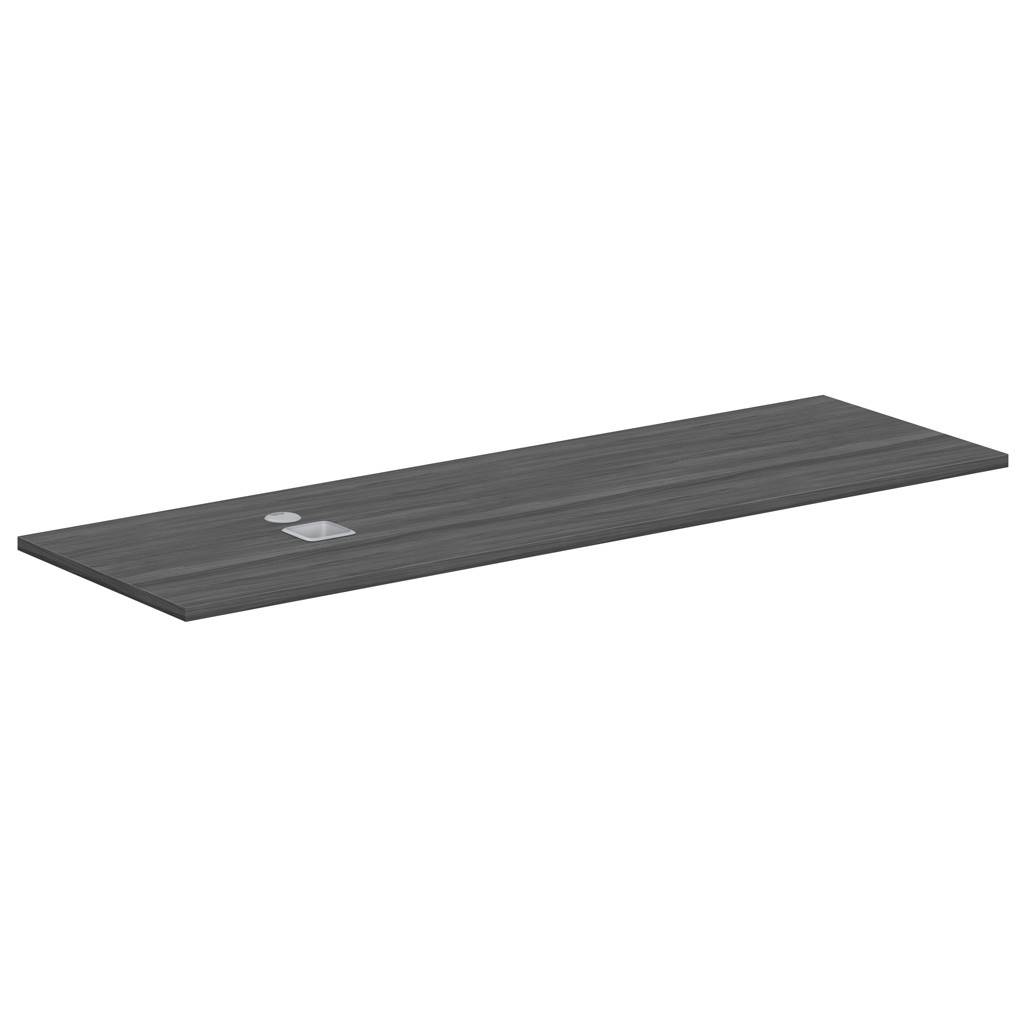
When comparing OfficeSource | StandUp Standing Desk | 36" File Top ( For OS2013) with OfficeSource | StandUp Standing Desk l 71"W Credenza Top ( For OS2013), the difference is mostly about space and presentation. The 36" File Top is a compact, utility-first choice with a hole for HAT leg insertion, so it’s a smart fit for file-oriented stations or tight rooms. The 71"W Credenza Top includes a single cutout for HAT leg insertion and is built to pair with two PL1013 Open Shelf Cabinets, which gives it a more polished, executive feel. I usually think of the smaller top as the practical mover, while the larger one is the showpiece. Choose the file top for admin work or space limits; choose the credenza top for reception zones, leadership offices, or any front-facing layout where appearance matters. If you’re weighing room flow, office space planning strategies help keep the decision grounded.
How to Set Up a Standing Desk Without Making It Annoying Later
Start with the room. Measure it, map the traffic pattern, and note door swings, chair clearance, cable routes, and where people actually walk.
Next, decide whether the desk will support one monitor, dual monitors, a laptop dock, or a mixed-use setup. Then place power and cable management early so cords don’t turn into a mess later. After that, pair the desk with the right chair and accessories; standing desks work better when the sitting position is dialed in too. Finally, test the height and reach before locking anything down—keyboard, mouse, and monitor should feel natural, not stretched. If the desk feels unstable, recheck leveling, assembly points, and floor contact. This is a lot like planning office furniture installation workflows, especially when multiple pieces have to land in the right spot on day one. My best advice? Build the setup around the person, not just the product specs. That’s what keeps the desk useful over time.Conclusion
Standing desks are worth it when they fit the room, support the work, and hold up under daily use. The big decision points are size, top style, layout compatibility, and how well the desk works with office chairs, office workstations, and other commercial office furniture. You do not need the most expensive option to get a real benefit; often, the smartest choice is the one that matches the workflow and budget. That matters for wholesale office furniture shoppers, office furniture utah buyers, and office furniture salt lake city buyers who are thinking about long-term value, not just upfront price. New office furniture and used office furniture can both make sense, but the desk still has to support the actual job. So compare the specs, measure the space, and choose the standing desk that makes the workday smoother. When you’re ready, explore the standing desk category page and narrow it down from there.
Frequently Asked Questions
Common questions about Standing Desks