Are Standing Desks Worth It for Modern Offices? 5 Things to Know Before You Buy
When office furniture comes up, people usually talk about chairs first, but desks shape the whole day. In wholesale office furniture, office furniture Utah, and office furniture Salt Lake City markets, buyers want new office furniture that feels flexible, durable, and worth the spend. Standing desks support office space planning, cut sitting fatigue, and fit small private offices or larger commercial office furniture setups. See current options at OfficeSource’s official site, then ask yourself: premium desk, or a smarter simple one?
What Makes a Standing Desk Actually Useful Day to Day?
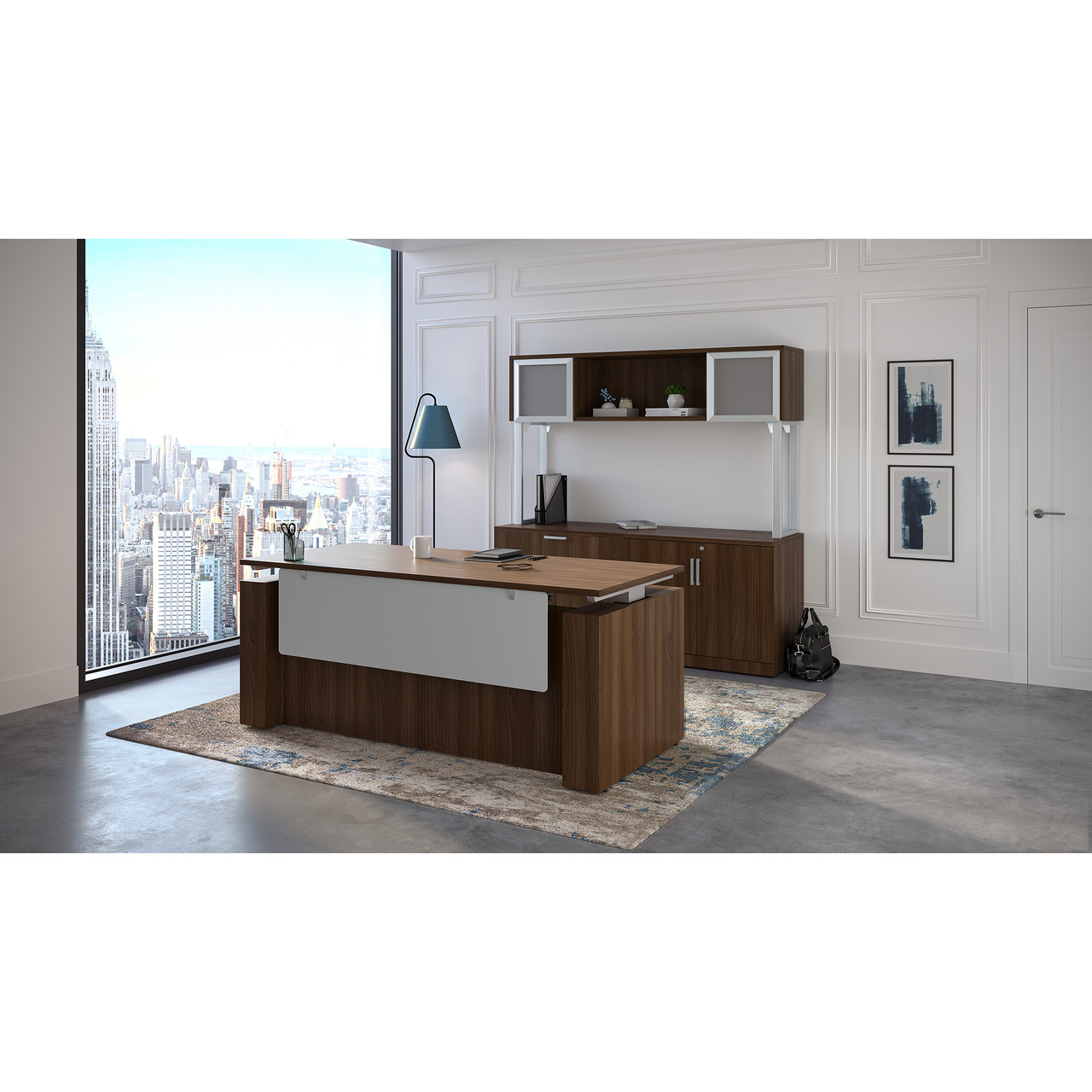
In my experience, the best standing desk is the one that disappears into the workflow. Adjustability matters first, because height range has to fit different users, mixed-use spaces, shared office workstations, and even front-desk setups. Stability comes next; if the frame wobbles, nobody trusts it. Then there’s desktop size, surface durability, load capacity, lift mechanism, cable management, and ergonomic alignment.
A desk doesn’t need a lot of extras to work well. Honestly, a clean surface often helps focus more than drawers ever do. Office desks aren’t just furniture anymore; they’re part of productivity systems with monitors, docking stations, and ergonomic office chairs. I’ve seen teams buy desks with drawers they never use, then wish they’d kept things simpler. That happens a lot during busy rollouts. Premium options are nice, sure, but not always worth it when flexibility matters more than storage. Buyers comparing used office furniture and new office furniture often find that a quality standing desk bridges the gap between budget and performance. Long-term value is the real win here: fewer adjustments later, better daily comfort, and a cleaner setup as work habits change. If you want a deeper look at top styles, this standing desk breakdown is a useful companion.How Standing Desks Support Comfort, Focus, and Better Workflow
Standing desks don’t magically fix every ergonomic issue, but they usually improve movement, posture variety, and energy levels through the day. That matters more than people think.
Alternating between sitting and standing can help reduce that mid-afternoon slump people always mention in office furniture store showrooms. It can also lead to fewer discomfort complaints, better meeting stamina, and a more alert workday. When the desk is part of a broader setup—ergonomic office chairs, proper monitor height, and thoughtful office space planning—the whole system works better. I’d call that the real benefit, not the gimmick. More companies are leaning into flexible, modular commercial office furniture because hybrid work and shared desks are still common. And here’s the part I usually tell buyers: the best standing desk isn’t always the most expensive one. Sometimes a simpler frame with a solid top gives the strongest return. Durable furniture can also reduce replacement cycles, which matters for bulk office furniture buyers and growing teams. Do you really need every bell and whistle, or do you just need a desk that supports the work? Usually, it depends on how the space is used, how often the desk is adjusted, and whether the team values storage or open workspace. For more setup ideas, this ergonomic workflow guide pairs nicely with the standing desk conversation.Where Standing Desks Fit Best in Real Offices
Standing desks fit more places than people expect. In private offices, they give one person a clean, adaptable workspace. In reception areas, they help staff stay visible and mobile. In team rooms and office workstations, they support quick task switching without making the room feel stiff.
They’re especially handy in IT support stations, project management hubs, and front-desk environments where visibility and fast access matter. I’ve watched office space planning change mid-year, and a height-adjustable desk usually makes the transition smoother than replacing the whole workstation. That’s a real win when timelines are tight. They also work well in offices balancing conference tables, collaborative zones, and individual desks, because they standardize comfort without overcomplicating the layout. That said, if storage-heavy tasks dominate the day, a traditional office desk or a desk with a modest return may still make more sense. For regional buyers searching office furniture Utah or office furniture Salt Lake City options, quick lead times, installation support, and flexible floor-plan fit often matter just as much as price. To see how size affects placement, this standing desk sizing article connects the dots. In the end, standing desks aren’t just for executives—they’re often best for anyone who wants a cleaner, more adaptable workspace.What to Look for Before You Spend the Budget
Before you buy, start with the basics: dimensions, finish quality, frame construction, adjustment mechanism, warranty, delivery lead times, and office furniture installation needs. Those details decide whether a desk feels solid or annoying. A 72" x 30" footprint is often the sweet spot for dual monitors, a laptop dock, and a small accessory zone without taking over the room.
Compare that to office workstations and conference tables, and you’ll see how fast visual weight changes a space. A large desk can make a room feel crowded, even when the measurements look fine on paper. That’s why bulk office furniture purchases work best when consistency is planned from the start. Growing companies especially need that unified look. Used office furniture can be a smart budget move, but standing desks often justify new purchases when reliability and ergonomics are priorities. Common mistakes? Buying for aesthetics only, ignoring cable routing, forgetting chair-to-desk clearance, and skipping installation planning. Office chairs and desk height should work together, not compete. If you want the room to function well on day one, measure twice and think about the actual workflow—not just the catalog photo. That’s the difference between a good purchase and a regrettable one.OfficeSource Palisades vs. the 3-Stage Deluxe Laminate Casing Kit: Which Better Fits Your Space?
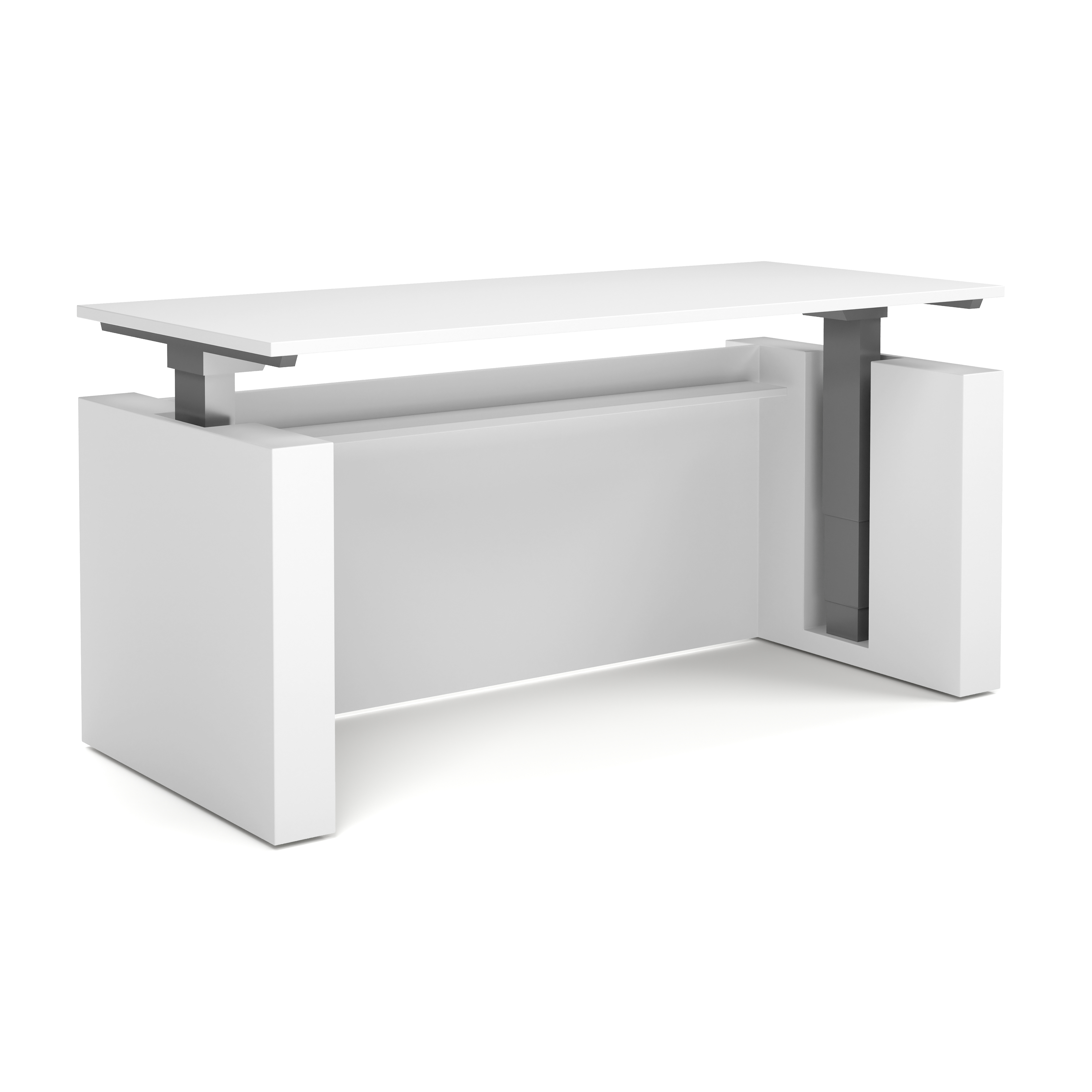
If you want a ready-to-use desk, OfficeSource | Palisades | Industrial Height Adjustable Desk - 72" x 30" is the more complete solution. It gives you a modern, height-adjustable workspace with a clean surface, industrial styling, and a generous 72" x 30" footprint—great for open workspace, sitting-and-standing flexibility, executive offices, or hybrid stations that need to stay uncluttered.
By contrast, the 3-Stage Deluxe Laminate Casing Kit includes OSHA2008, OSHA2010, and OST3072, so it reads more like a component or support kit for a larger workstation build. That makes it better for modular setups, replacements, or customized office furniture installations. In practical terms, Palisades offers immediate visual impact and day-to-day ergonomics. The casing kit makes more sense when you’re matching an existing system or building around specific parts. If the team needs to start working today, Palisades usually wins. If the layout is already structured, the kit may be the smarter buy.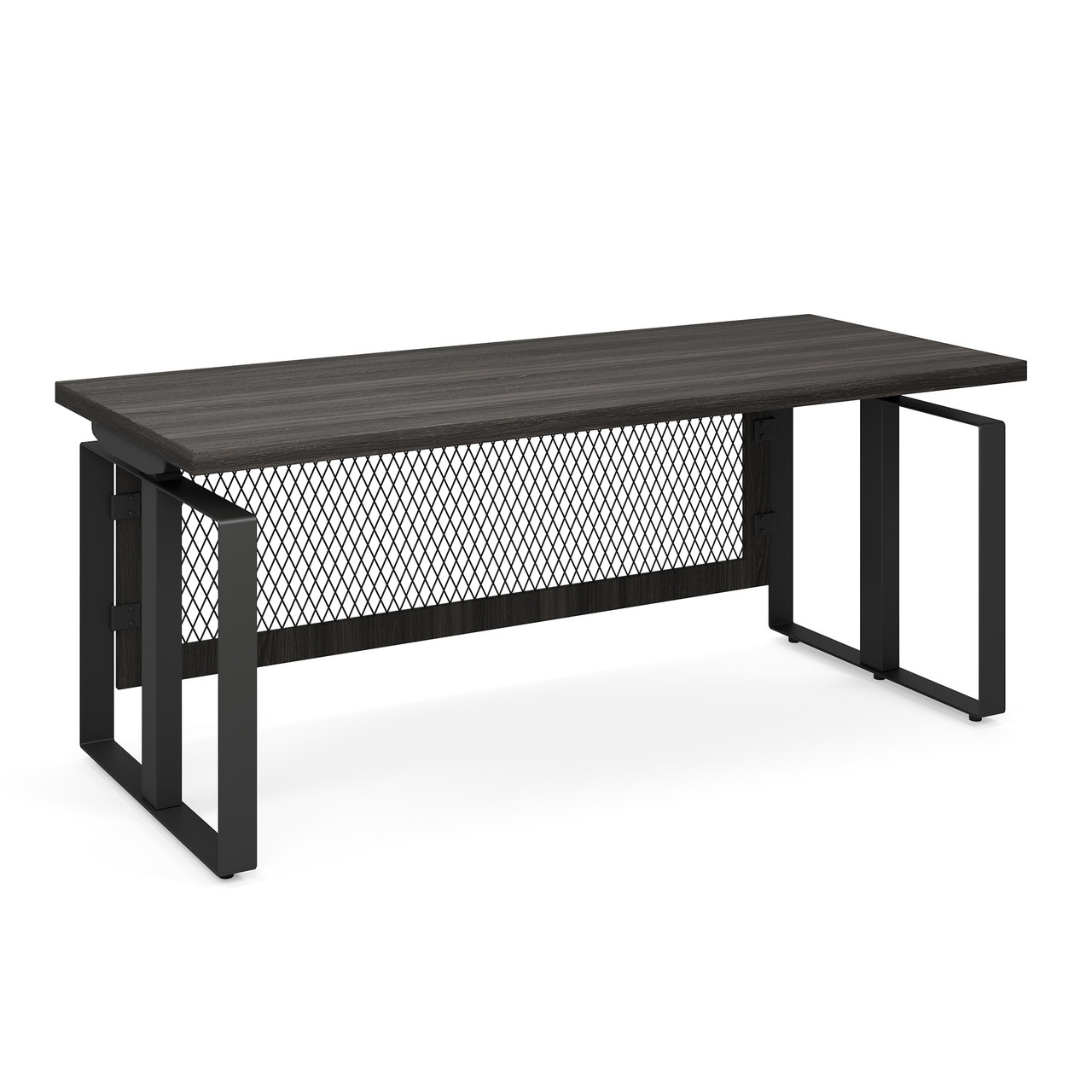
How to Set Up a Standing Desk Without Making It Annoying Later
Start by measuring the room and confirming clearance for movement, chair roll space, and monitor placement. That little step saves a lot of grief later.
Step 1: place the desk where it supports natural traffic flow and doesn’t block storage, outlets, or walking paths. Step 2: set the height so elbows stay near 90 degrees when typing and wrists remain neutral. Step 3: mount or place monitors at eye level, using arms or risers if needed. Step 4: manage cables early—zip ties, raceways, and under-desk clips can prevent the classic spaghetti mess. Step 5: pair the desk with an ergonomic office chair so sitting posture still works when you’re not standing. Step 6: test transitions over a few days and make small adjustments instead of trying to perfect everything in one afternoon. If this is part of a bulk office furniture rollout, standardize the setup steps so every workstation feels consistent. In my opinion, that consistency is underrated. It keeps people from comparing stations and complaining about tiny differences. Think of the desk as part of a system, not a one-off purchase, and the whole office usually runs better.Conclusion
So, are standing desks worth it for modern offices? Usually, yes—when they match the space, the workflow, and the budget. Good standing desks bring flexibility, better day-to-day comfort, and strong long-term value, especially when paired with thoughtful office space planning and the right office chairs. That’s the real formula, not just a trendy silhouette. Premium models aren’t always the right call for every team, and sometimes a simpler desk is the better business decision. I’d say that’s especially true when storage needs are modest and mobility matters more. Still, for buyers looking at wholesale office furniture, office furniture Utah, or office furniture Salt Lake City options, standing desks stand out because they adapt as needs change. Whether you’re shopping for new office furniture, a smarter workstation, or a cleaner commercial office furniture layout, function should come first and style second. Before you buy, compare dimensions, features, and installation requirements carefully. Then choose the desk that will still feel useful long after the novelty wears off. Explore the right fit in our standing desks category.
Frequently Asked Questions
Common questions about Standing Desks