What Makes a Task Work Chair Worth Buying for Modern Offices?
Picture this: you spend all day in a cheap chair, and by mid-afternoon your back is sore, your attention is drifting, and every task feels harder than it should. Task work chairs are the everyday workhorses of commercial office furniture, showing up in home offices, cubicles, office workstations, and shared spaces. Today’s buyers want comfort, durability, and flexibility without paying for premium extras they may never use. In office furniture utah and office furniture salt lake city markets, shoppers often compare new office furniture, used office furniture, and wholesale office furniture to protect budgets. A good chair can sharpen focus, cut fatigue, and support smarter office space planning. If you’re browsing trusted options at OfficeSource’s official site, this guide will help.
What Actually Makes a Good Task Chair?
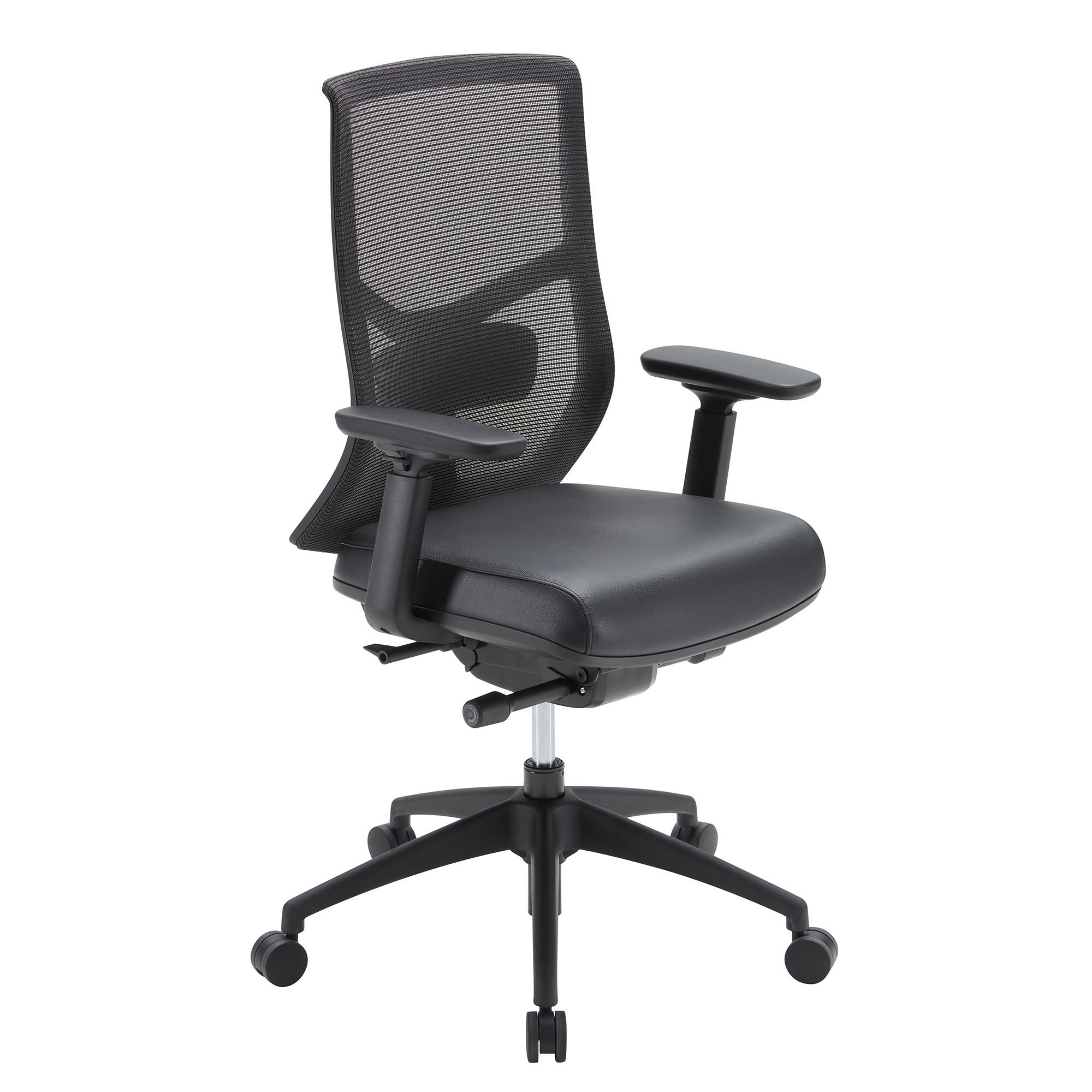
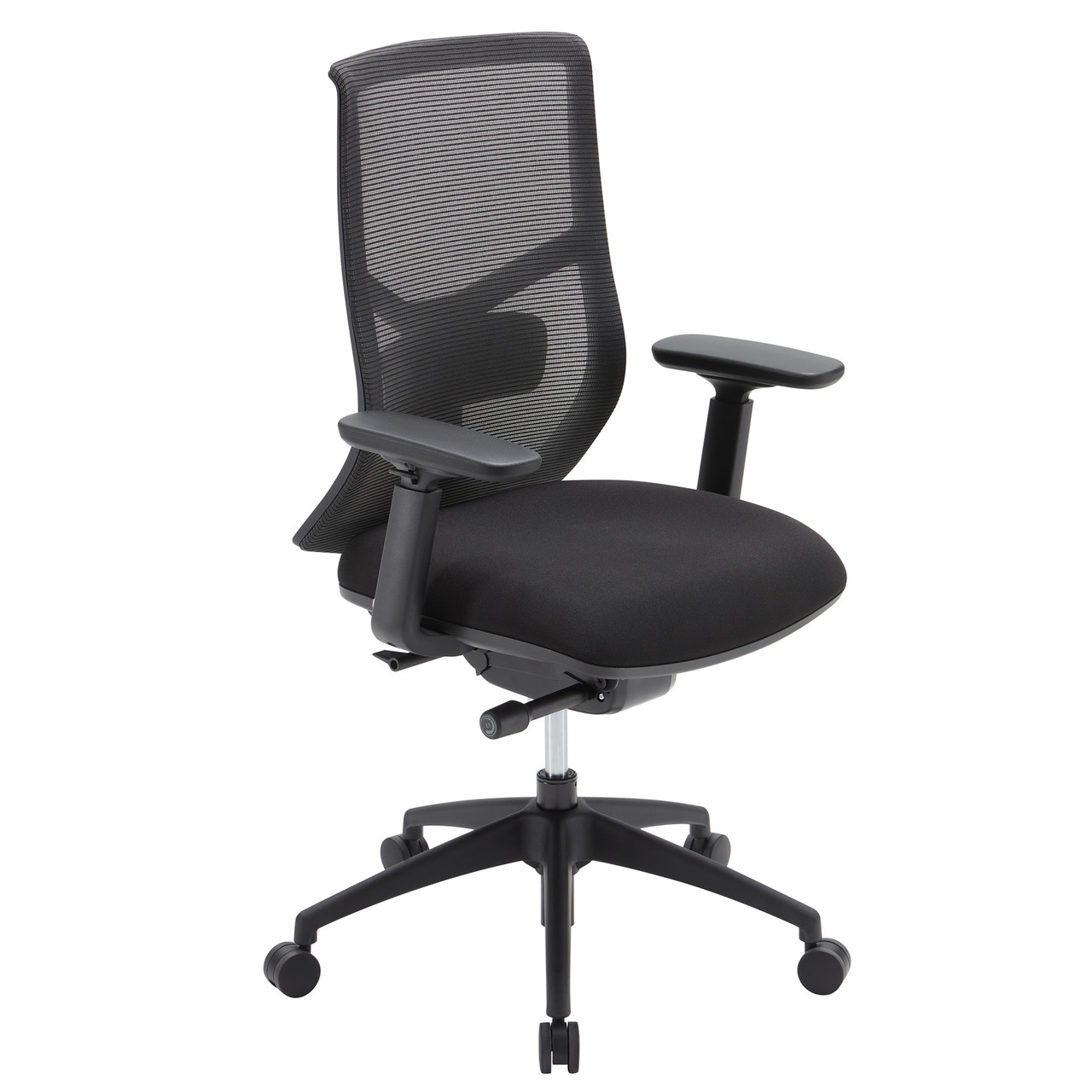
A solid task work chair starts with the basics: seat depth, cushion density, back height, frame strength, base stability, and real adjustability. If the seat is too shallow, you slide forward; too deep, and your lower back loses support. Cushion density matters more than people think because foam that bottoms out after six months is a bad investment. Height adjustment, lumbar support, tilt control, and arm options are the ergonomic office chairs features most buyers notice first, and for good reason. They change how the chair feels after three hours, not just three minutes.
Breathable mesh or perforated fabric usually helps in busy offices where heat builds up, while vinyl or durable upholstery can be easier to wipe down in shared spaces. Weight capacity, warranty coverage, and high-traffic performance also matter, especially when a chair will be moved, spun, and used all day. A call center chair, an executive support desk chair, and a home office chair won’t always need the same spec sheet. In my experience, people often overbuy features they never use, especially when the chair is only one part of a larger office furniture store order that includes office desks, conference tables, or office workstations. If you want a useful reference point, this workspace-focused chair guide lines up well with that thinking. The best chair is the one that balances function, comfort, and budget.Why Comfort Usually Pays Off Faster Than You Think
Comfort is where task work chairs usually earn their keep. A chair that fits well can reduce complaints, help people stay focused, and make longer work sessions feel less draining. That may sound simple, but in shared office furniture environments, posture and energy have a ripple effect. When someone stops fidgeting, they usually type a little faster, join meetings with less distraction, and finish the day with fewer aches. I’ve seen remote workers go from “my chair is fine” to “oh wow, this is better” after swapping in a properly fitted seat. Premium options aren’t always worth it, either; sometimes a mid-range model with the right ergonomic office chairs basics is the smarter buy. That said, comfort alone doesn’t make a chair great—fit and use case still matter. Admin teams, IT support desks, and operations groups all benefit when seating supports steady productivity. There’s also a sustainability angle here: durable commercial office furniture can stretch replacement cycles, which is easier on budgets and waste streams. Pair the chair with smart office space planning and the right office desks or office workstations, and the whole setup works better. If you’re comparing comfort to cost, the right chair style can make that decision clearer.
Where Task Work Chairs Fit in Real Offices
Task work chairs show up almost everywhere because they’re so adaptable. In open-plan offices, they support employees who bounce between email, spreadsheets, and quick team huddles. In home offices, they’re often the first real upgrade after a folding chair or kitchen stool. Training rooms, reception support areas, hybrid work environments, and back-office operations all use task chairs for the same reason: they’re practical, dependable, and easy to standardize. Wholesale office furniture buyers like them because they can outfit multiple spaces consistently without blowing up the budget.
An IT team may need sturdy everyday seating with durable casters, while customer service departments often prefer easy-to-clean upholstery that handles heavy rotation. Startups, meanwhile, may be furnishing new office furniture on a tight timeline, so availability matters as much as style. I’ve also learned the hard way that a beautiful chair can still be wrong if it doesn’t match the room layout or desk height. Office furniture installation gets easier when chairs arrive simple to assemble, and stackable logistics can matter in bulk office furniture orders. You can browse matching task chair options in the category while planning the rest of the layout. The best results happen when the chair fits the workflow, not just the floor plan.How to Choose Between Styles Without Second-Guessing Yourself
The easiest way to choose a task work chair is to start with three questions: who will use it, how often, and for how long? Once you know that, the rest gets simpler. First, estimate daily usage hours. Second, check ergonomic needs like lumbar support and arm height. Third, compare seat materials and confirm frame durability. Fourth, review the warranty, because a chair used eight hours a day should be built like it means it. Buyers shopping for home setups usually care more about comfort and appearance, while commercial buyers often focus on durability and easy maintenance.
A quick decision tree helps: if the chair is for frequent use, prioritize lumbar support; if it’s for shared seating, prioritize adjustability and cleaning; if it’s for a fast-growing team, prioritize consistency across multiple units. Common mistakes? Choosing based on looks alone, skipping measurements, and forgetting that desk height affects posture. That last one gets people a lot. I’ve seen offices pair good chairs with the wrong desks, conference tables, or other commercial office furniture, and then wonder why comfort still feels off. The best chair is usually the one that fits the user, the budget, and the room—not just the one with the longest feature list.OfficeSource Interchangeable Seat Cover vs. Starlight High Back Task Chair: Which Fits Better?
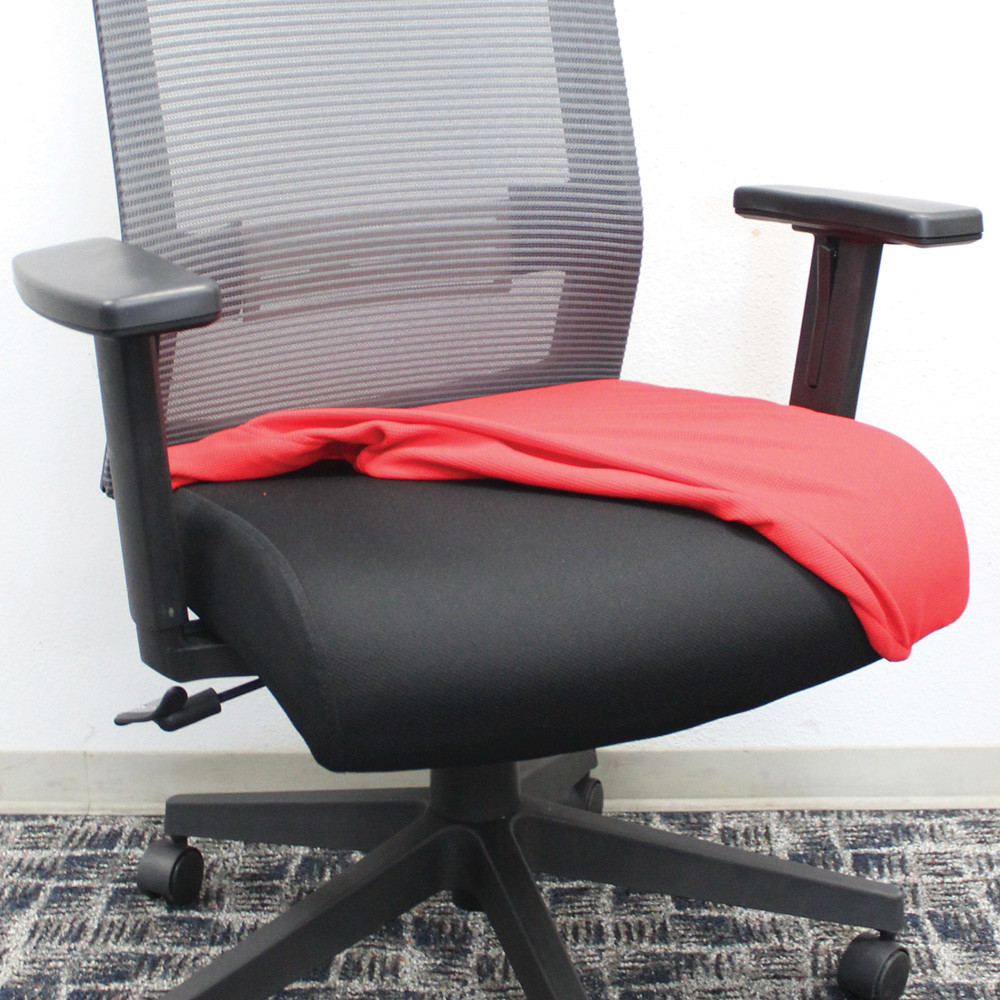
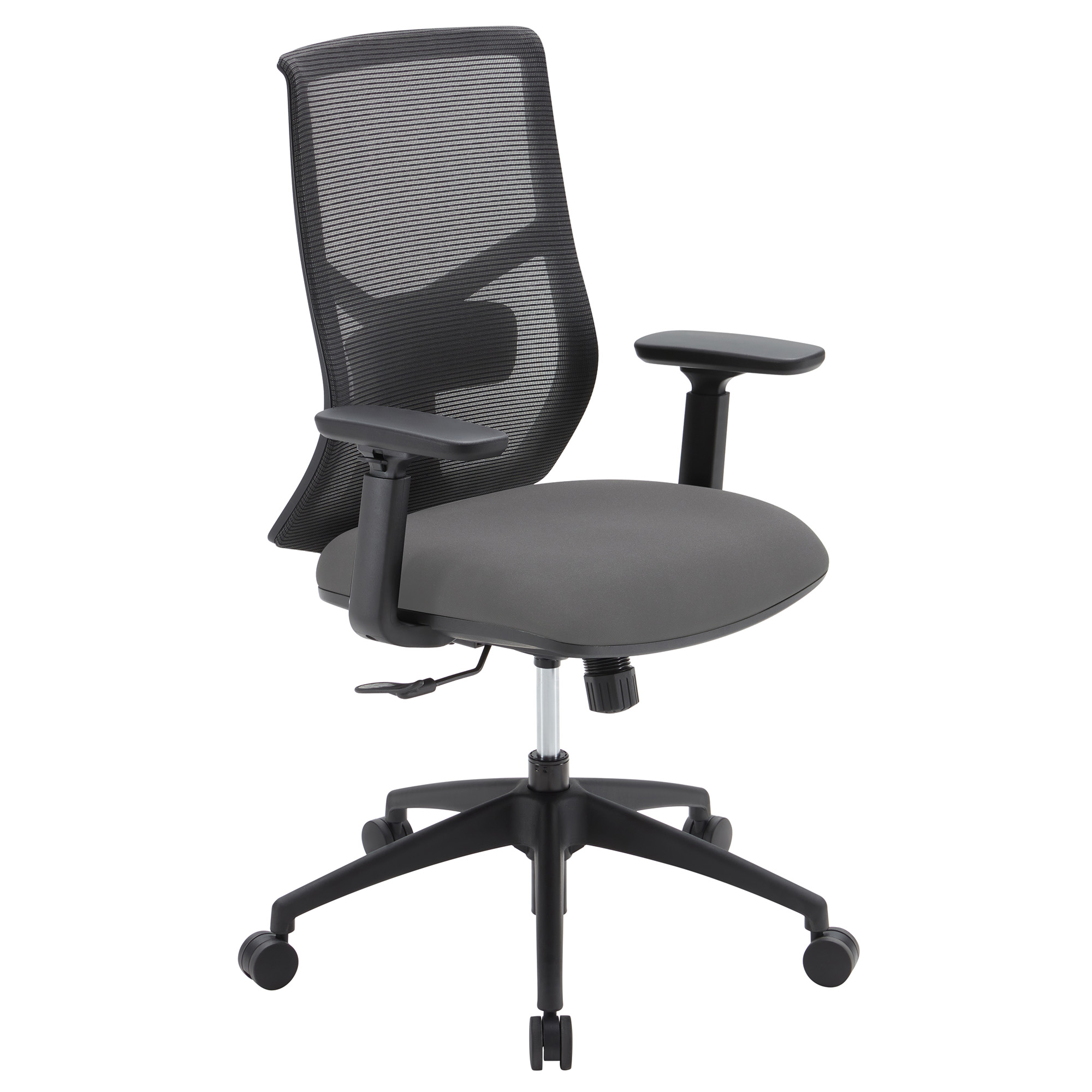
When comparing OfficeSource | Interchangeable | Interchangeable Seat Cover (For 656M) with the OfficeSource Starlight High Back Basic Task Chair with Black Frame, the choice usually comes down to flexibility versus simplicity. The interchangeable seat cover is a smart pick for buyers who want customization, color variety, and easier refreshes over time. That makes it especially useful in branded spaces, clean environments, or offices that rotate upholstery for maintenance. The eight upholstery colors and antimicrobial options are a real advantage in high-use settings. By contrast, the Starlight High Back Basic Task Chair offers a more straightforward seating solution with a wide cushioned seat, high-back support, and a black frame that feels practical and familiar. I’d say it suits people who want immediate comfort without thinking about modular changes. Facilities teams and refresh projects often lean toward the seat cover, while new office furniture packages, front desks, and everyday workstations may be better served by the Starlight. If long-term flexibility matters, customization wins. If simple, reliable seating is the goal, the high-back chair is often the easier choice.
How to Set Up a Task Chair for Better Everyday Comfort
Getting a task work chair dialed in is usually faster than people expect. Step 1: adjust the seat height so your feet rest flat on the floor and your knees sit close to a 90-degree angle. Step 2: roll the chair close enough to the desk that your shoulders stay relaxed and your wrists don’t reach awkwardly. Step 3: set the lumbar support, if available, to match the natural curve of your lower back. Step 4: test recline tension and armrest height so your elbows rest comfortably without shrugging. Step 5: check seat depth; you should usually have a small gap behind the knees.
If it still feels off, the problem may be desk height, monitor placement, or even flooring, not just the chair itself. One pro tip I’ve seen office furniture installation teams miss: leveling the chair and desk together can make a surprising difference. This setup works well whether the chair comes from an office furniture store order, a used office furniture refresh, or a larger office space planning project. Recheck the settings after a week, because comfort preferences often shift once real work begins.Conclusion
Task work chairs are one of the most important pieces of office furniture because people use them every day, often for hours at a time. That’s why the smartest purchase usually comes down to comfort, durability, adjustability, and a fit that matches the workspace. Premium chairs can be worth it for heavy daily use, especially in busy commercial settings, but they’re not automatically the best choice for every office. Sometimes a well-built mid-range model is the real winner. When you’re comparing wholesale office furniture, bulk office furniture, or new office furniture for growing teams, it helps to keep the user in mind first and the price tag second. In my experience, if the chair supports the person well and fits the room, it’s doing its job. So compare models, think through real use cases, and choose the option that makes the workday easier—not harder. When you’re ready, explore the task chair category and find the best fit for your space.
Frequently Asked Questions
Common questions about Task & Work Chairs