Are Executive Desk Bridges Worth It? 5 Things to Know Before You Upgrade Your Office
You know that feeling when an executive desk looks solid, but the gap between the desk and return still makes the office feel unfinished? Executive desks shape workflow, storage flow, and first impressions, so these choices matter in wholesale office furniture, office desks, and office space planning. In my experience, small layout details matter as much as finishes. Here’s practical guidance for office furniture Utah and office furniture Salt Lake City buyers who want results.
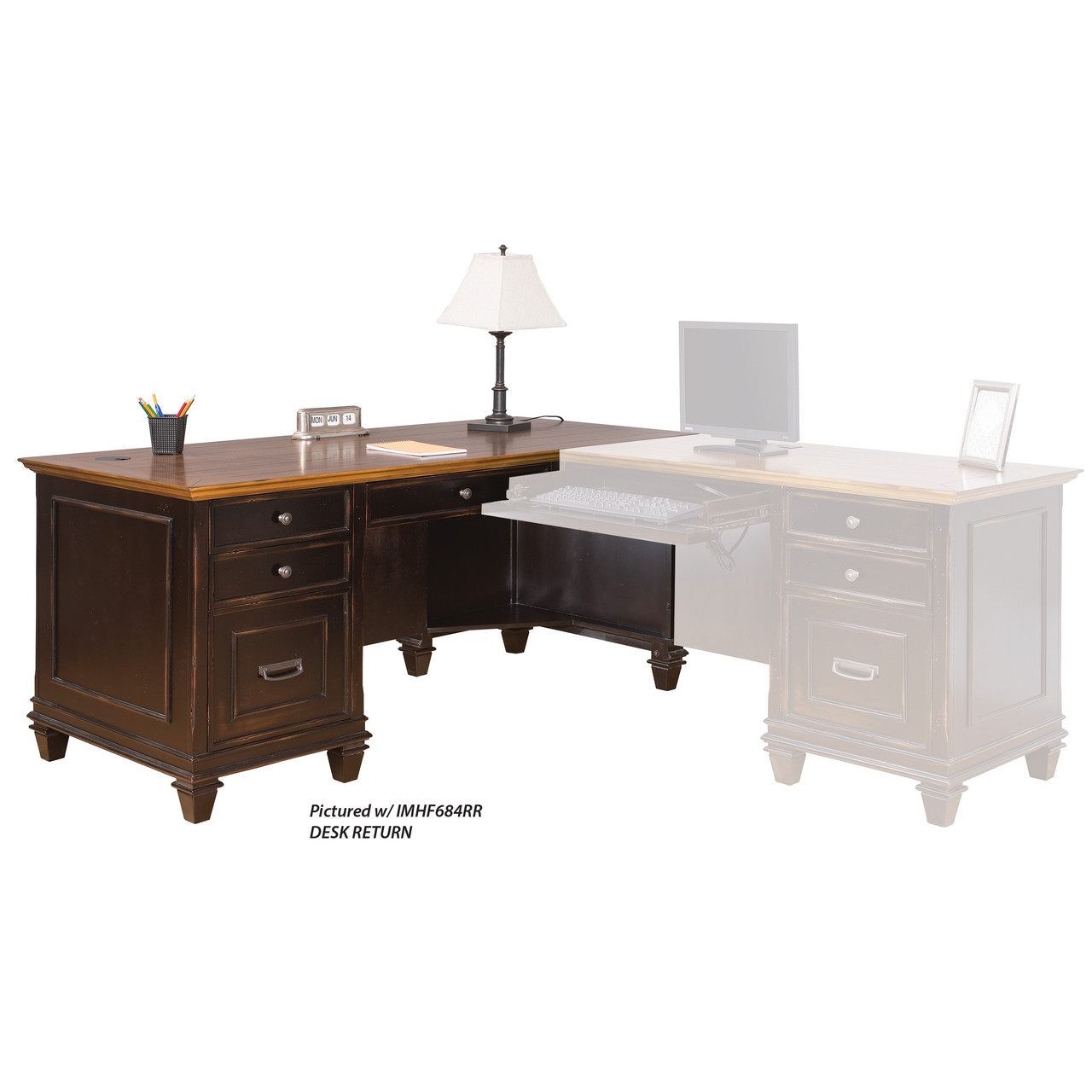
What an Executive Desk Bridge Actually Does
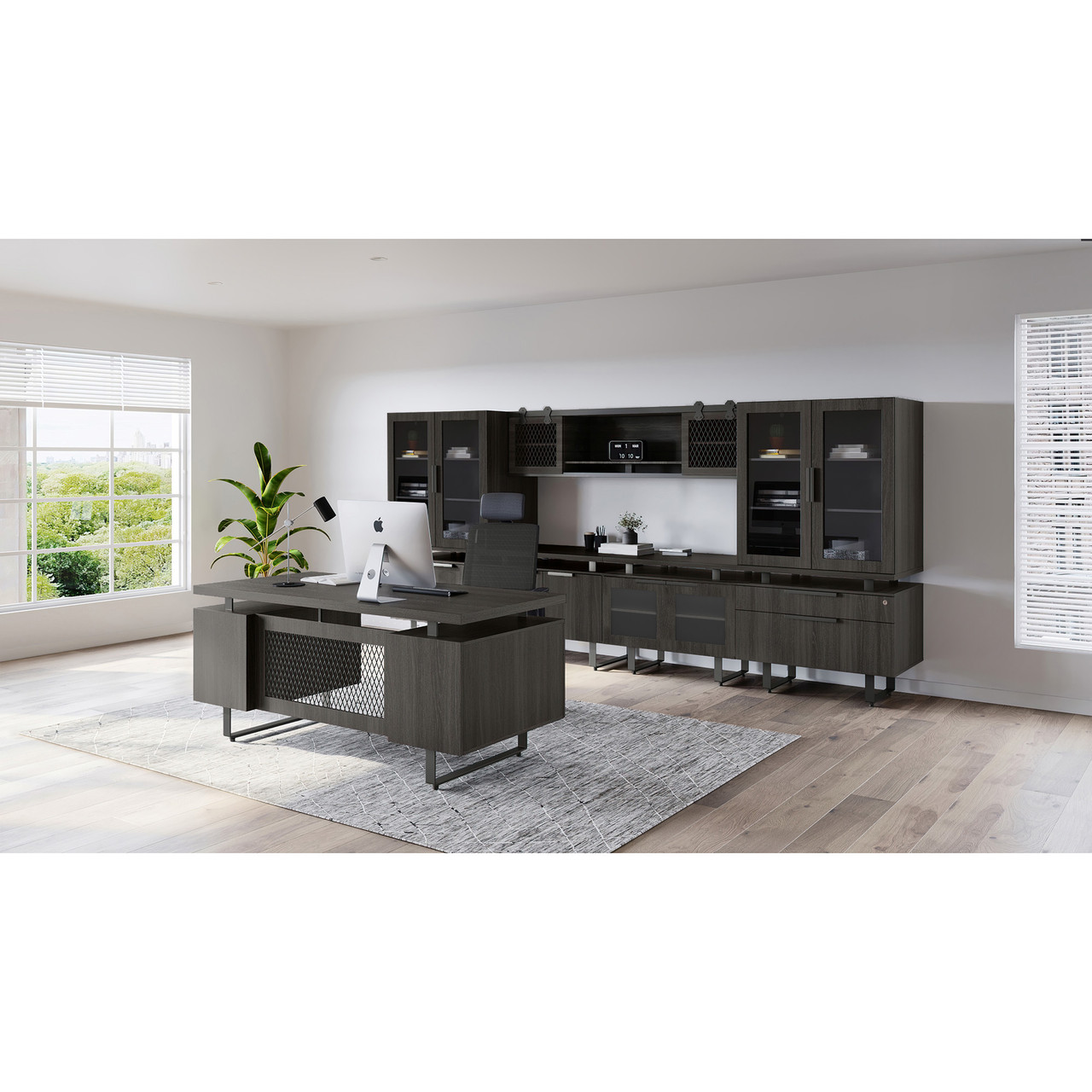
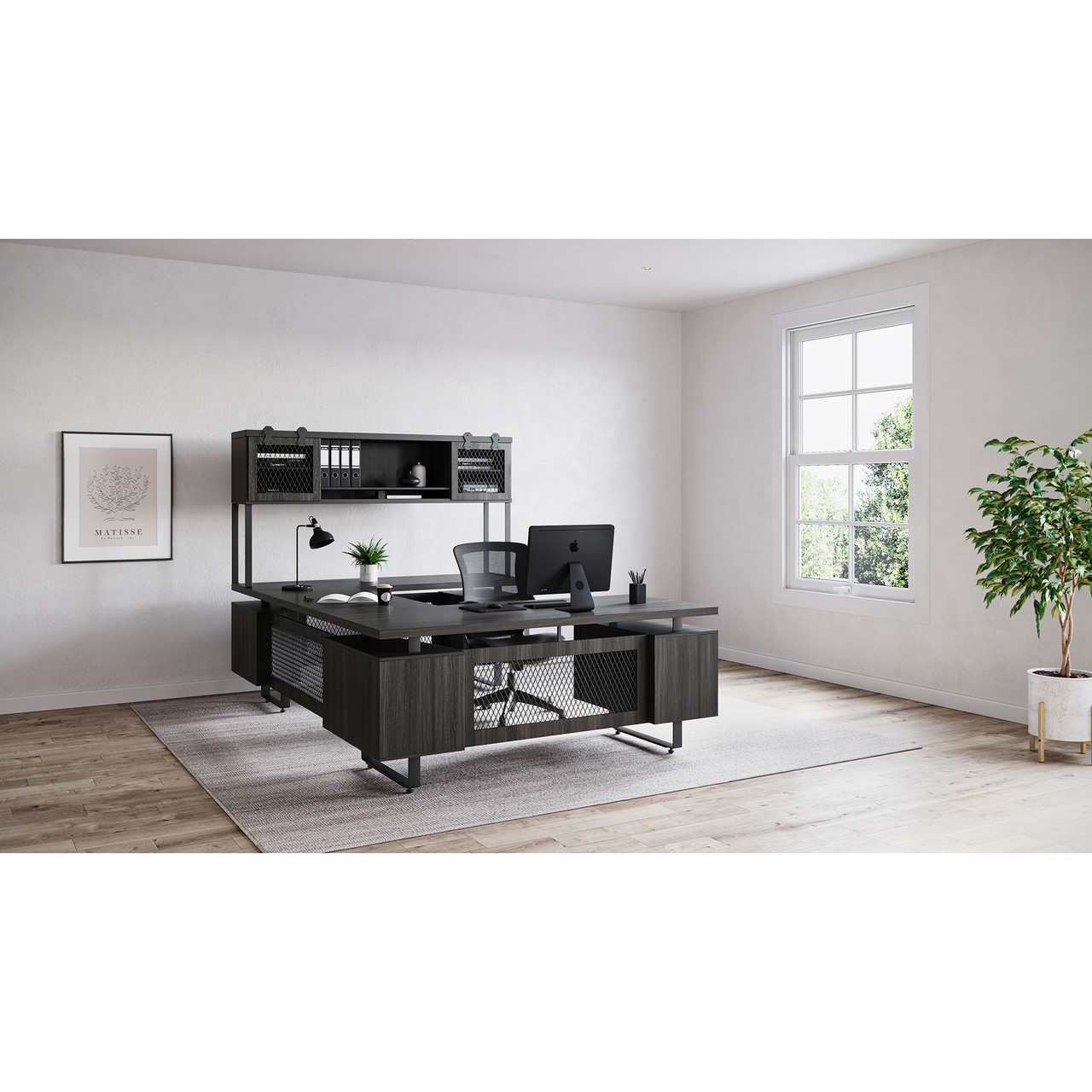
A desk bridge is the simple piece that links a desk and return, closes the open gap, and turns two separate parts into one usable work zone. In executive suites, admin offices, and shared leadership spaces, that extra surface helps with monitors, client folders, laptop docking stations, and last-minute meeting prep.
A 47-inch bridge gives you a wider connection point than a 35-inch version, and depth matters too because the full 24-inch surface is what makes the area feel practical instead of decorative. Laminate construction is a big reason these pieces show up in commercial office furniture projects: the surface is durable, easy to wipe down, and consistent enough to match a coordinated suite. I’ve always thought bridges are a smart middle-ground—better than living with an awkward gap, but not as expensive as reworking the whole layout. Still, they’re not mandatory if the user prefers open legroom. Premium options aren’t always worth it when the office doesn’t need the extra surface. Office furniture installation also matters, because alignment and leveling affect the final fit. If you want to see how these components are built into a coordinated system, the OfficeSource official collection is a good place to start.Why the Right Size Changes Everything
Choosing the right size usually changes how the whole office works. A 47-inch bridge tends to fit wider desk shells, more generous executive layouts, and users who need space for dual screens plus paperwork. A 35-inch bridge, on the other hand, is often the better match for tighter footprints or budget-conscious builds. That width difference affects traffic flow, knee clearance, and even how “open” or cramped the room feels.
I’ve seen a small office furniture store project where a compact bridge preserved movement in a private office, while a larger bridge made a corner executive suite feel intentional and premium. Bigger can look more impressive, sure, but sometimes a slimmer bridge is simply the more efficient choice. For office furniture Utah buyers, room size, building layout, and installation constraints matter a lot, especially in older buildings or renovated suites. That’s why bulk office furniture orders, new office furniture packages, and office furniture store consultations often start with dimensions, not finishes. Get the size right first and you save headaches later: fewer returns, fewer compromises, and a workspace that feels planned instead of patched together.How Laminate Finish and Build Quality Affect Daily Use
Laminate finishes stay popular in office desks and executive setups for a reason—they handle daily use well without demanding much upkeep. The better versions usually resist scratches, wipe clean fast, and stand up to coffee spills, mouse friction, and the constant rearranging that happens in real offices. In commercial office furniture, that’s not just a cosmetic win; it affects maintenance costs and how polished the suite looks after a few busy months.
In my experience, a good laminate bridge can take more abuse than people expect, while lower-grade materials chip or wear faster than they should. If you’re also shopping for office chairs, ergonomic office chairs, conference tables, or other office workstations, keeping finishes consistent helps the space feel coordinated. You could use used office furniture in some rooms, but for a bridge piece that has to match existing furniture precisely, new office furniture often makes more sense. One common mistake is buying a bridge that technically fits but looks slightly off in color or grain. That small mismatch can make the entire suite feel less professional, especially when clients walk in. For readers comparing finish options, the executive desk buying and finish guide is a helpful companion piece, and the broader value of build quality and storage layout discussion applies here too.Best Fit Scenarios: Where Each Bridge Makes Sense
A 47-inch bridge makes the most sense in executive offices, manager suites, and larger office space planning projects where the desk needs to connect smoothly with a return and still leave room for files, tech gear, or a small meeting zone. It’s a strong fit for a sales manager with a second screen and notepad space, a director who hosts quick one-on-one meetings, or a business owner who wants a cleaner line between desk and return.
The 35-inch bridge is usually ideal for compact private offices, cost-sensitive rollouts, or setups where the goal is to improve workflow without crowding the room. It’s also a good choice when bulk office furniture standardization, cleaner cable management, and simpler office furniture installation across multiple rooms are priorities. That trend matters right now because many companies are trying to do more with less square footage, so modular pieces that improve flexibility are getting more attention. Of course, a full office workstation or different desk configuration can be the better move if the room needs more storage or collaboration space. The real answer depends on layout, budget, and how the office is used day to day, not just on the catalog photo.OfficeSource 47''W Bridge vs. OfficeSource 35''W Bridge: Which One Fits Better?
When comparing the OfficeSource OS Laminate Bridge - 47''W x 24''D with the OfficeSource OS Laminate Bridge - 35''W x 24''D, the biggest difference is width, but that one change affects a lot. The 47-inch bridge gives you more connection space, which works well with larger executive desks, wider returns, and users who want a more expansive work zone. It usually feels more substantial and polished in a larger office. The 35-inch version is more economical and space-efficient, so it’s a strong fit for tighter offices or projects where budget control matters. Since both units share the same 24-inch depth, the decision really comes down to room layout and intended use. One suits spacious executive suites; the other is better for compact private offices or simple gap-closing tasks. If you’re comparing pricing and specs, the product links above make that easy. For wholesale office furniture rollouts, the smaller bridge may stretch the budget farther, while the larger bridge can elevate a flagship office.
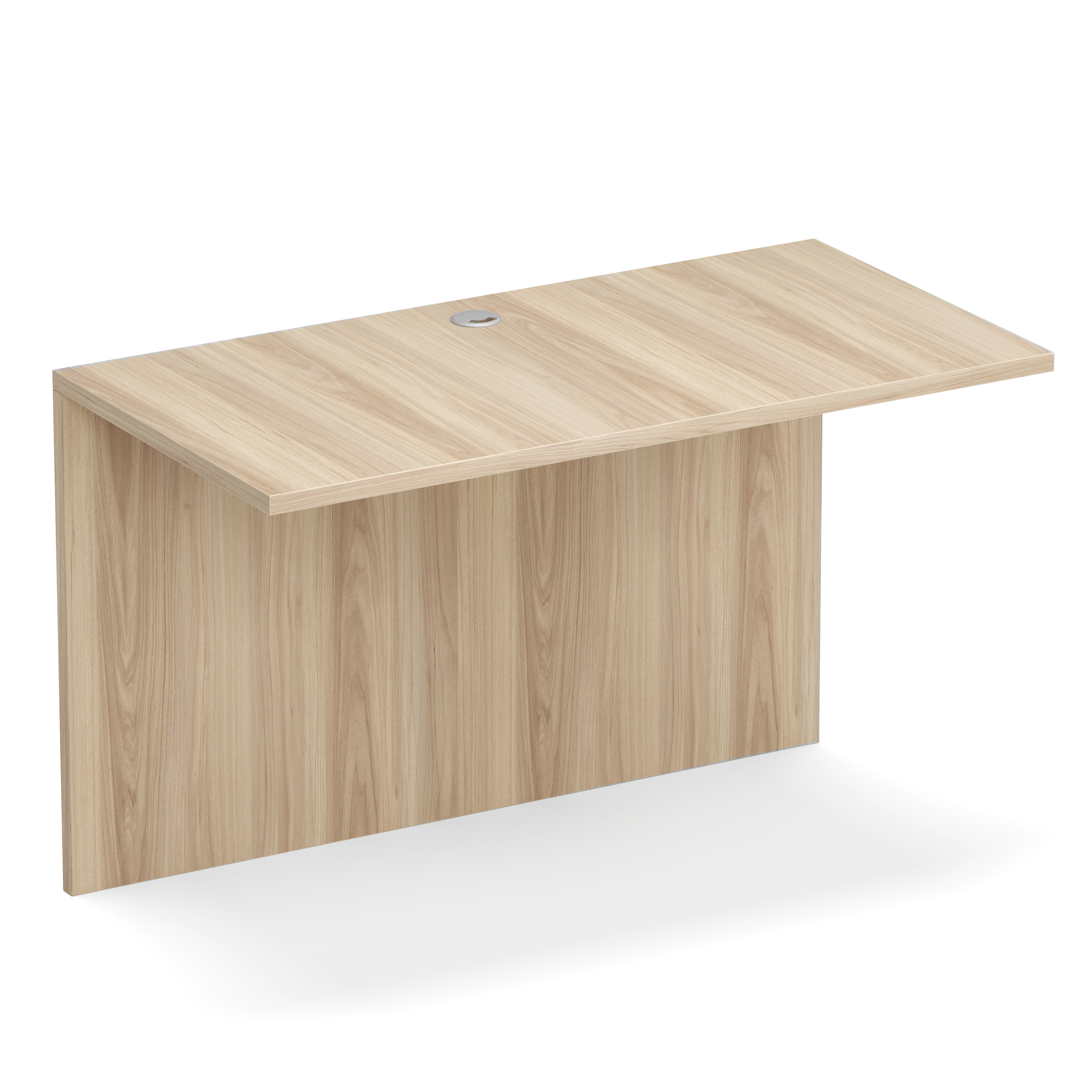
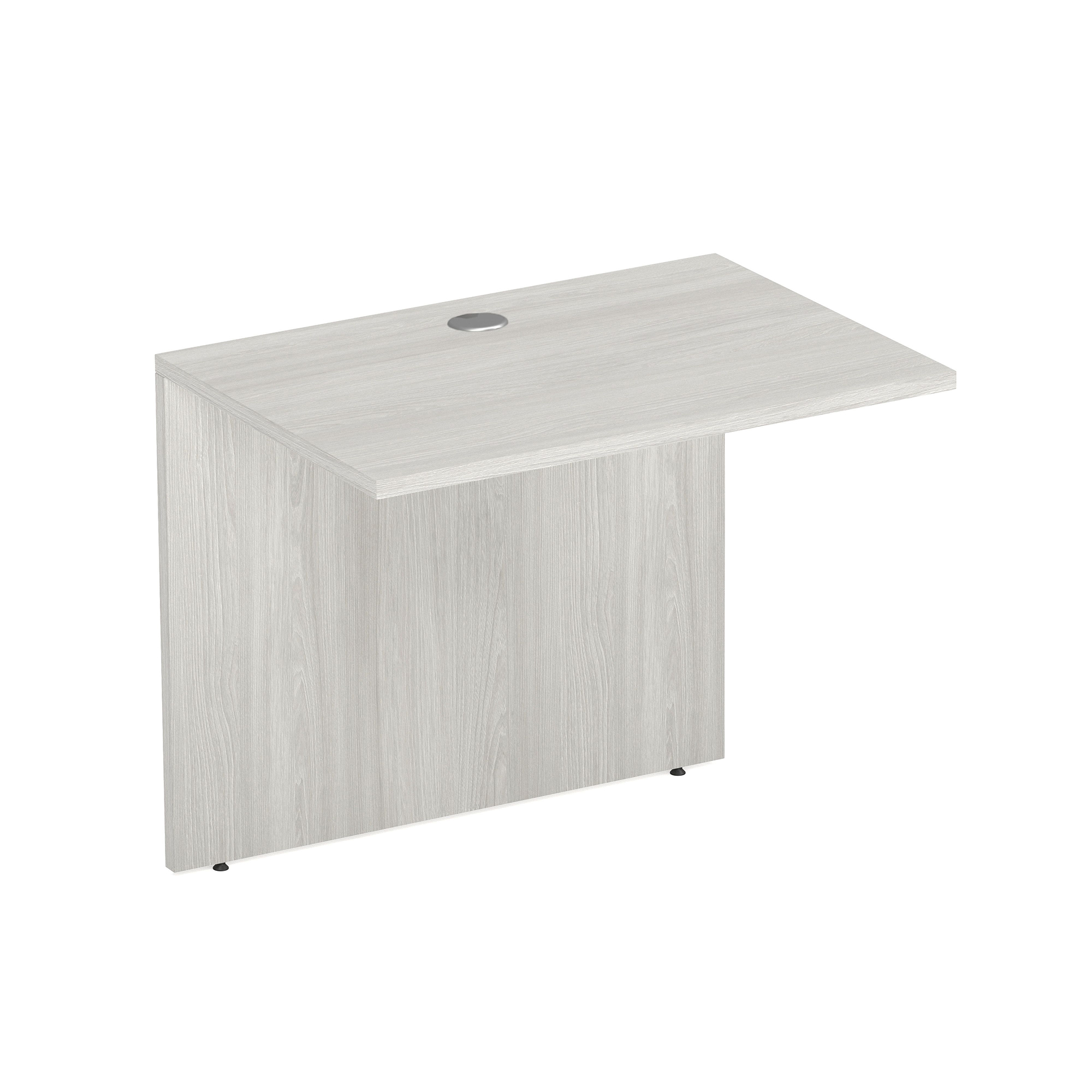
How to Choose and Set Up an Executive Desk Bridge
Start with measurements. Measure the gap between the desk and return, then check the full room dimensions before you order anything. Next, decide whether a 47-inch or 35-inch bridge fits the traffic flow, monitor placement, and knee clearance you actually need.
After that, confirm finish compatibility so the bridge matches the surrounding office desks and the rest of the furniture. Then review installation details—leveling, attachment points, and whether professional office furniture installation makes sense. Finally, test the layout with real-world items like a laptop, docking station, keyboard tray, and file stack before you finalize placement. Quick wins help too: cable clips, under-desk organizers, and a clean accessory layout keep the bridge from turning into a dumping ground. A common mistake is buying by looks alone and forgetting how the space really works. For office furniture Salt Lake City and office furniture Utah buyers handling a larger rollout, coordinating the bridge order with other commercial office furniture pieces can simplify shipping and installation. The best setup is the one that makes work easier, not just prettier.Conclusion
An executive desk bridge may look like a small add-on, but it can change how an office functions and feels in a very real way. Better surface flow, cleaner visual lines, a more professional presentation, and easier day-to-day usability all come with that one decision. In most larger offices, the 47-inch bridge is the stronger pick; in compact spaces or budget-minded projects, the 35-inch bridge is usually the more efficient choice. Premium options can be excellent, but they’re not always necessary if the room doesn’t need them. And honestly, when people compare office desks, office chairs, conference tables, or office workstations, it’s often the small layout details that deliver the biggest long-term value. So ask yourself: does your current setup feel finished, or is there still that awkward gap? Thoughtful planning beats impulse buying every time. If you’re ready to improve the workspace, explore new office furniture through a trusted office furniture store that understands commercial office furniture needs and real office space planning realities. Start with the right category for your build today: office furniture solutions.
Frequently Asked Questions
Common questions about Executive Desks