What Makes Great Guest Seating Worth Buying for Modern Offices?
Guest seating is often the first physical impression a client, candidate, or partner gets, so it quietly shapes how professional a space feels. In office space planning, people usually focus on office desks, office workstations, or ergonomic office chairs first, but reception seating can do a lot of heavy lifting too. From an IT/operations angle, I’ve noticed comfort, layout, and durability immediately when visitors are waiting. Great guest seating balances looks, comfort, and commercial office furniture performance without blowing the budget. More buyers are comparing new office furniture against used office furniture and bulk office furniture packages because value matters more than ever. If you’re shopping wholesale office furniture or browsing an office furniture category, this guide should help.
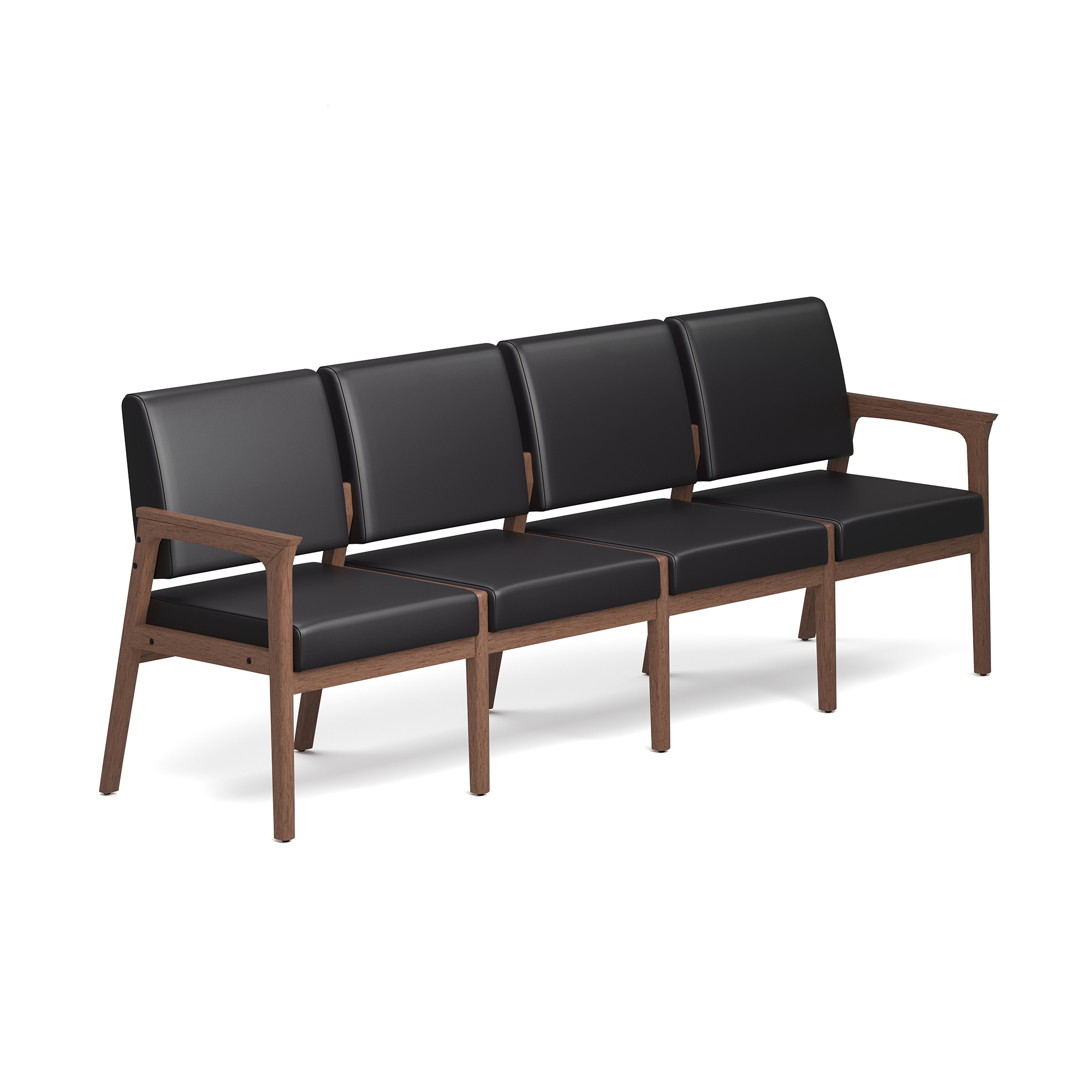
What Guest Seating Has to Do Well in a Busy Office
Guest seating has one simple job, but it has to do it well every day: welcome people, hold up under repeated use, and still match the brand image you want to project. That means looking at frame strength, seat cushioning, arm style, upholstery durability, modular flexibility, and finish options. In commercial office furniture, those details matter more than they do in residential setups because traffic is constant, cleaning happens more often, and the furniture gets used by people who may not know the “rules.”
Compared with conference tables and office desks, which usually get more attention during planning, guest seating is the piece that handles first impressions at the door. In my experience, the seats people complain about most are the ones that looked great in the showroom but didn’t match the actual traffic pattern. A premium build isn’t always necessary, either; sometimes a simpler chair with solid construction is the smarter investment, especially if the lobby sees moderate use. Buyers should also think about office furniture installation and long-term maintenance right away, not after delivery, because a great product can still feel underwhelming if it’s awkward to place or hard to clean. If you need a broad starting point, the reception seating category is a practical place to compare styles.Comfort, Durability, and Style: The Real Value Stack
What’s the point of guest seating if people can’t sit comfortably for 10 or 15 minutes? That’s the first question I ask, because comfort is what turns waiting into a tolerable part of the visit. Padded seats, supportive backs, and arms that land in the right place reduce restlessness and make the room feel calmer.
Then durability takes over. High-traffic guest seating should resist wear, hold its shape, and stay stable over time, especially in offices where the front desk sees steady foot traffic. Product families with shared bases and backs can make reconfiguration easier as office space planning changes, which is a real benefit when departments grow or move. Style matters too. Rich wood finishes, clean lines, and coordinated components can make a reception area feel intentional instead of thrown together, and that subtle polish usually helps a brand feel more trustworthy. Quick Win: choose finishes that match nearby office furniture pieces so the space feels unified. Used office furniture can work for some budgets, but waiting areas often justify new office furniture because appearance and cleanliness matter more at the front door. If you want a deeper look at comfort and long-term value, this guest seating guide pairs nicely with the buying questions here.Best Fit Scenarios: Where Different Guest Seating Really Shines
Different offices need different guest seating, and that’s where the real-world use cases matter. A small medical office often needs compact, easy-to-clean guest seating with smooth surfaces and a layout that doesn’t block circulation. A tech company lobby may want a modular setup that feels modern and can be shifted as headcount changes. A professional services office usually leans toward a more polished reception look, while a growing business may need flexibility as visitor traffic rises and falls.
Buyers in office furniture salt lake city and office furniture utah markets often juggle mixed priorities—style, local delivery timelines, and budget constraints—so the best choice is usually the one that fits the actual workflow, not just the catalog photo. Seating configurations can support narrow entry spaces or larger reception areas, depending on how the room is used. If visitors wait only briefly, a compact setup is often enough. If clients wait longer, comfort matters more. The broader furniture ecosystem matters too; office chairs, conference tables, and office workstations all affect the feel of the workplace, so guest seating should complement them rather than clash. Common Mistakes to Avoid: don’t overbuy size, don’t ignore cleaning requirements, and don’t forget traffic flow. This is where office furniture installation can make a real difference, especially in busy lobbies and seating-focused office furniture category selections.How to Choose Guest Seating Without Second-Guessing Yourself
A good buyer framework keeps the process simple. First, ask how many guests sit at once, how long they usually wait, and what kind of image the space should project. Then evaluate materials, dimensions, and configuration options before getting distracted by price tags.
If you’re buying wholesale office furniture or bulk office furniture, look for consistent styling across multiple pieces so the room feels cohesive instead of pieced together. I also recommend comparing warranties, assembly requirements, and cleaning instructions—not just the headline price—because those details often decide whether a purchase feels smart six months later. Market insight: with new office furniture, buyers usually get more predictable condition and longer useful life than with mixed-condition used office furniture, but the best choice still depends on budget and frequency of use. For current product specs and finish options, the OfficeSource product catalog is a useful starting point. When in doubt, remember that good guest seating should support the whole workplace experience, not compete with office desks or ergonomic office chairs for attention.OfficeSource Aiden Full Arms vs. OfficeSource Aiden 4-Seater Half Arm
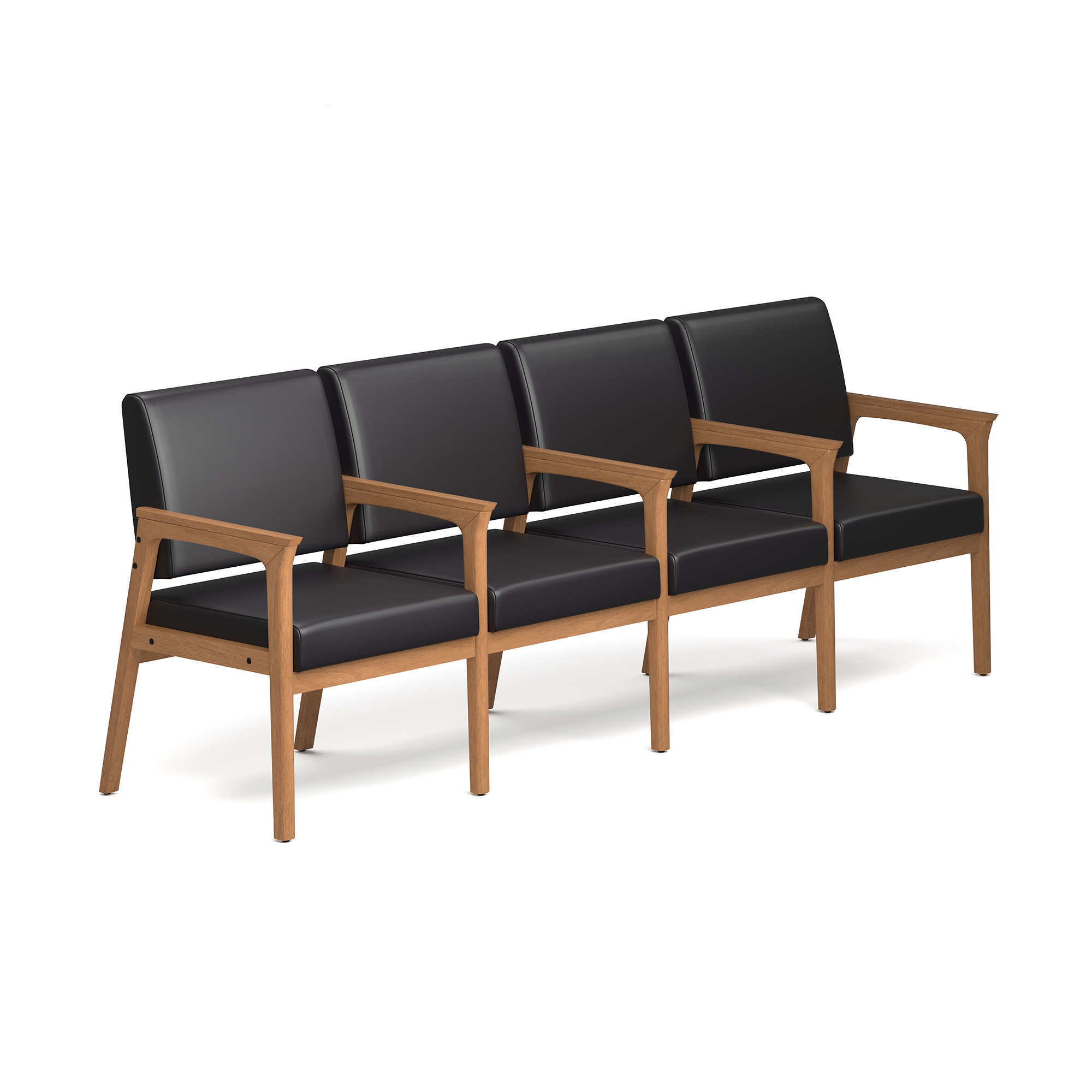
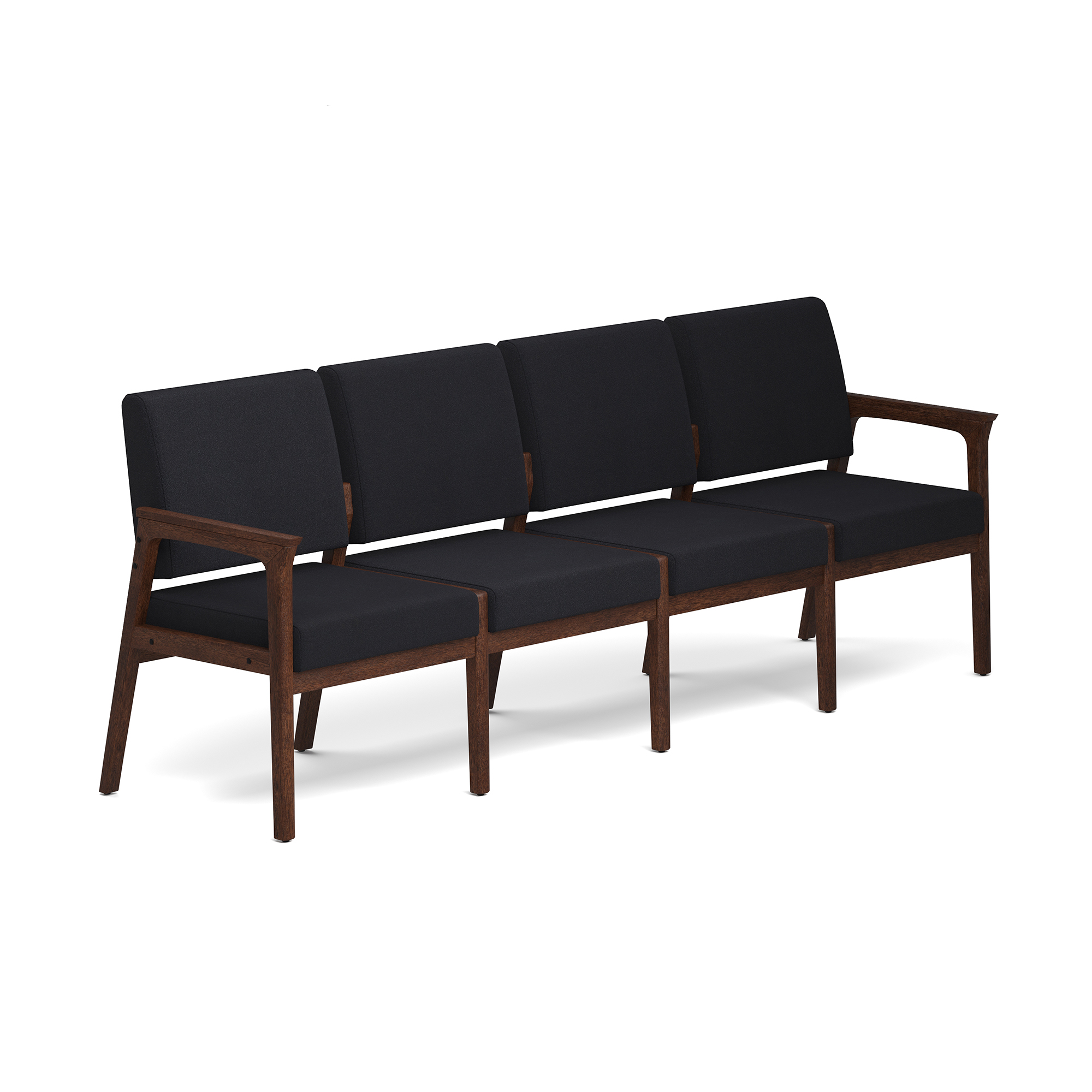
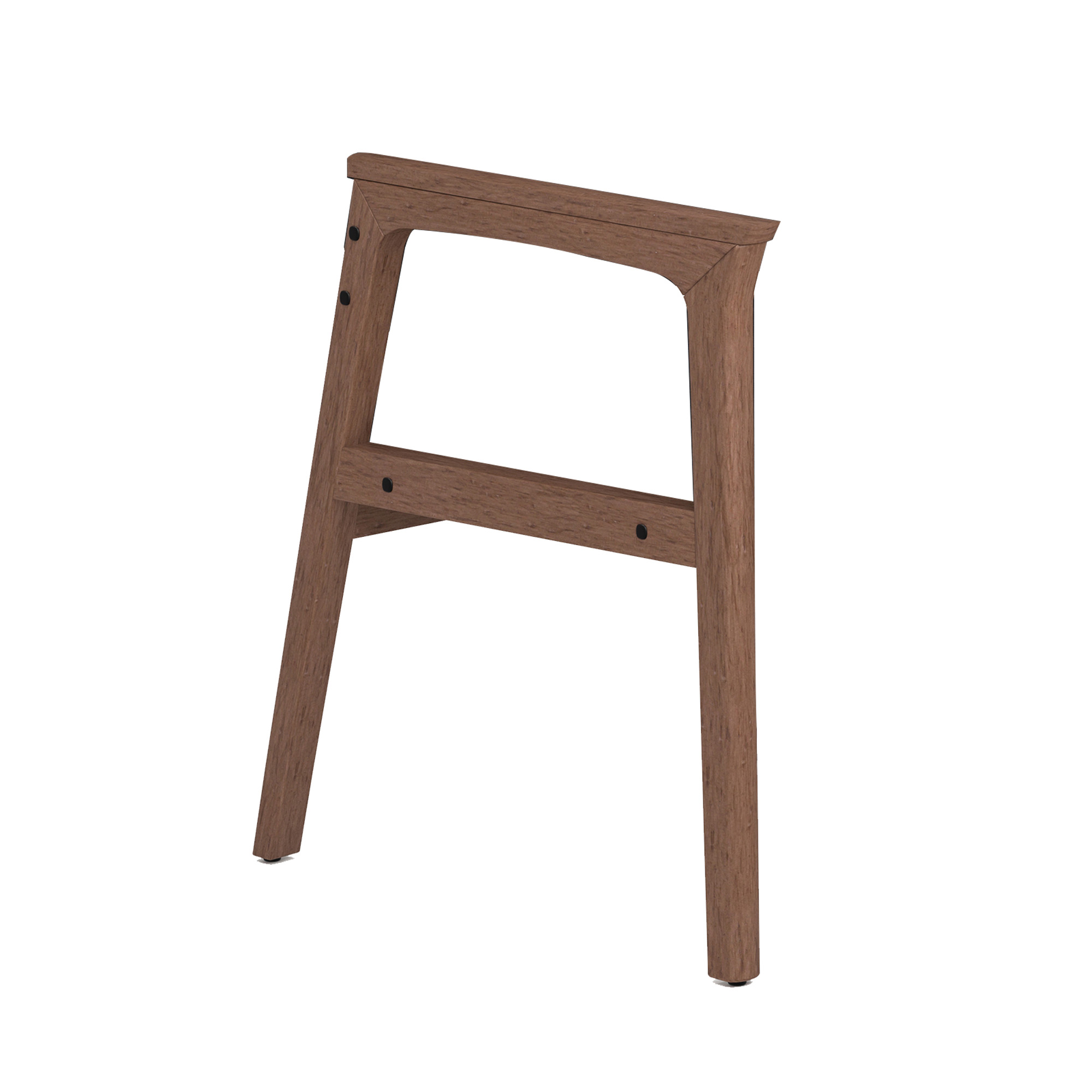
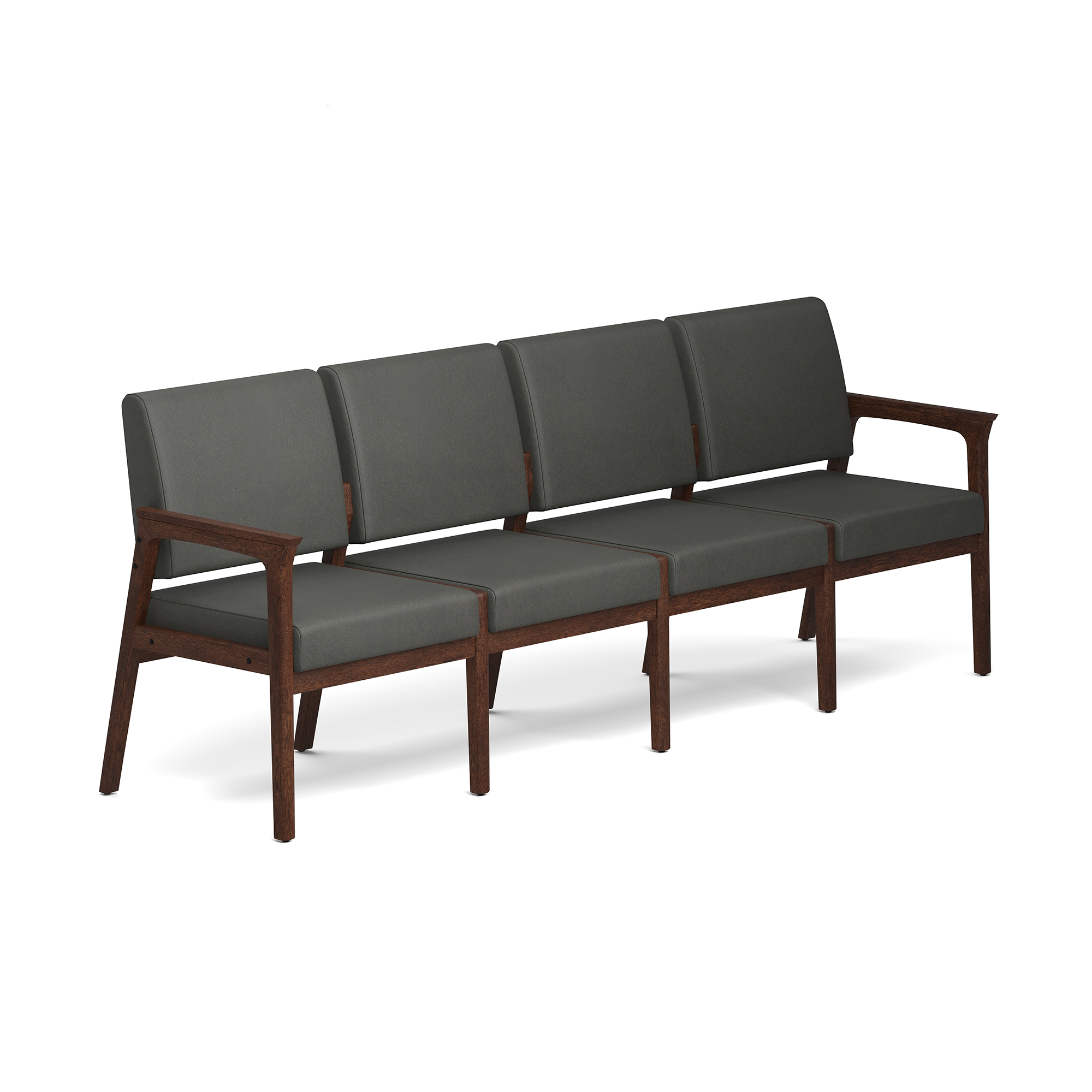
If you want more defined personal seating, arm support, and flexible modular pairings with the Aiden Seating Base and Back (OSGS4003), the OfficeSource Aiden Reception Seating Full Arms - Set of 2 is the stronger pick. The 4 rich wood finishes help it feel polished, and the full-arm design gives each guest a more individualized seat. By contrast, the OfficeSource Aiden 4-Seater with Half Arm is built for maximum flexibility and a more open, connected layout, which is handy in larger reception areas or spaces that need to use square footage efficiently. In my view, the 4-seater is usually the better fit for higher-traffic lobbies, while the full-arm set feels a little more premium and segmented. That makes the full-arm version a good match for a quiet professional office or executive waiting area, while the half-arm 4-seater works well in a busy front desk zone or shared waiting room. The comfort and budget tradeoffs discussed in this guest seating guide are worth considering before you choose.
How to Plan a Guest Seating Layout That Actually Works
Start with measurements. Map the reception area, the entry path, and the clearance around doors, desks, and walkways so the layout doesn’t choke traffic. Step 2: estimate peak guest count, because under-seating creates awkward standing room and overbuying wastes space.
Step 3: decide whether you need modular seating, fixed seating, or a hybrid setup based on traffic and space planning goals. Step 4: match the seating finish and profile to the rest of the office furniture so the room feels cohesive. Step 5: check delivery and office furniture installation needs before purchase, especially if the pieces are going into an active workplace. Step 6: place seating where it supports flow, sightlines, and easy cleaning. A quick best-practice tip: leave enough room for people to stand up without bumping into conference tables, office workstations, or display fixtures. If you’re outfitting multiple locations, bulk office furniture planning can save time and create consistency across sites. In most offices, the small layout choices end up mattering more than fancy features no one uses.Conclusion
At the end of the day, the best guest seating is the one that fits your visitors, your traffic, your budget, and your brand. Comfort matters. Durability matters. Layout matters. Style matters too, but not every office needs the most expensive option to make a strong impression. In high-visibility reception areas, premium seating can absolutely be worth it; still, a well-chosen mid-range option often delivers better value, especially when the usage pattern is predictable. Guest seating also supports the broader workplace ecosystem, from office desks to ergonomic office chairs to conference tables, because the lobby sets the tone for everything else. And that tone is hard to fake. If you’re comparing new office furniture, wholesale office furniture, or even a few carefully selected used office furniture pieces, the goal stays the same: make visitors feel welcome and make the space work harder for your team. Take a fresh look at your current layout, shortlist two or three options, and then move forward with confidence by exploring the guest seating category.
Frequently Asked Questions
Common questions about Guest Seating