Which Office Suite Actually Fits Your Workspace Best: 5 Things to Know Before You Buy
Office suites are landing in the sweet spot between random desks and full custom builds. In my experience working around IT and workplace setups, the right suite saves time, cuts layout mistakes, and makes a room look professional fast. Today’s trends lean toward flexible planning, cleaner cable management, and smarter budgets. But choosing new office furniture, used office furniture, or a bundled suite can still feel messy. Let’s break down features, benefits, use cases, and comparisons before you buy from an office furniture store.
What You’re Really Buying in an Office Suite
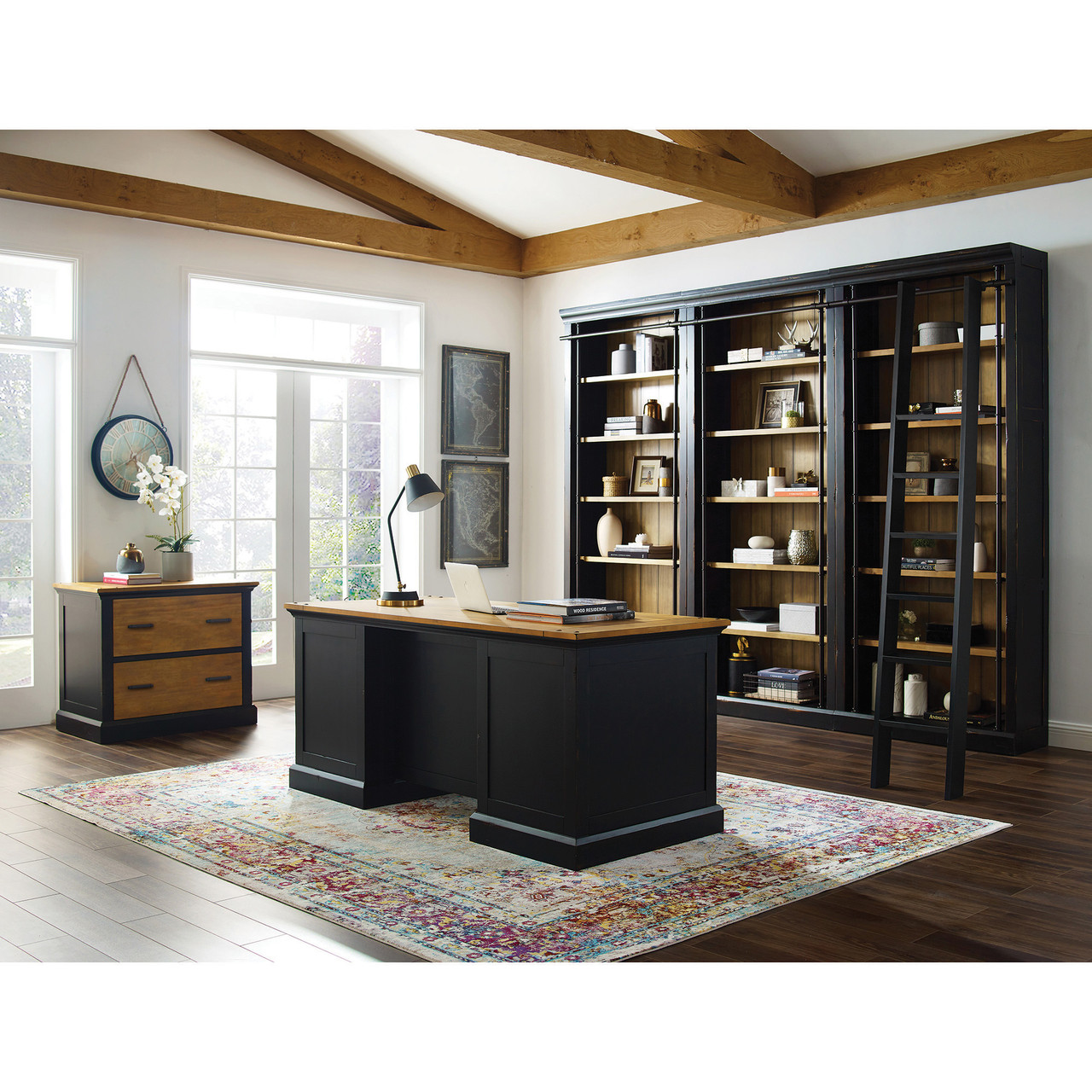
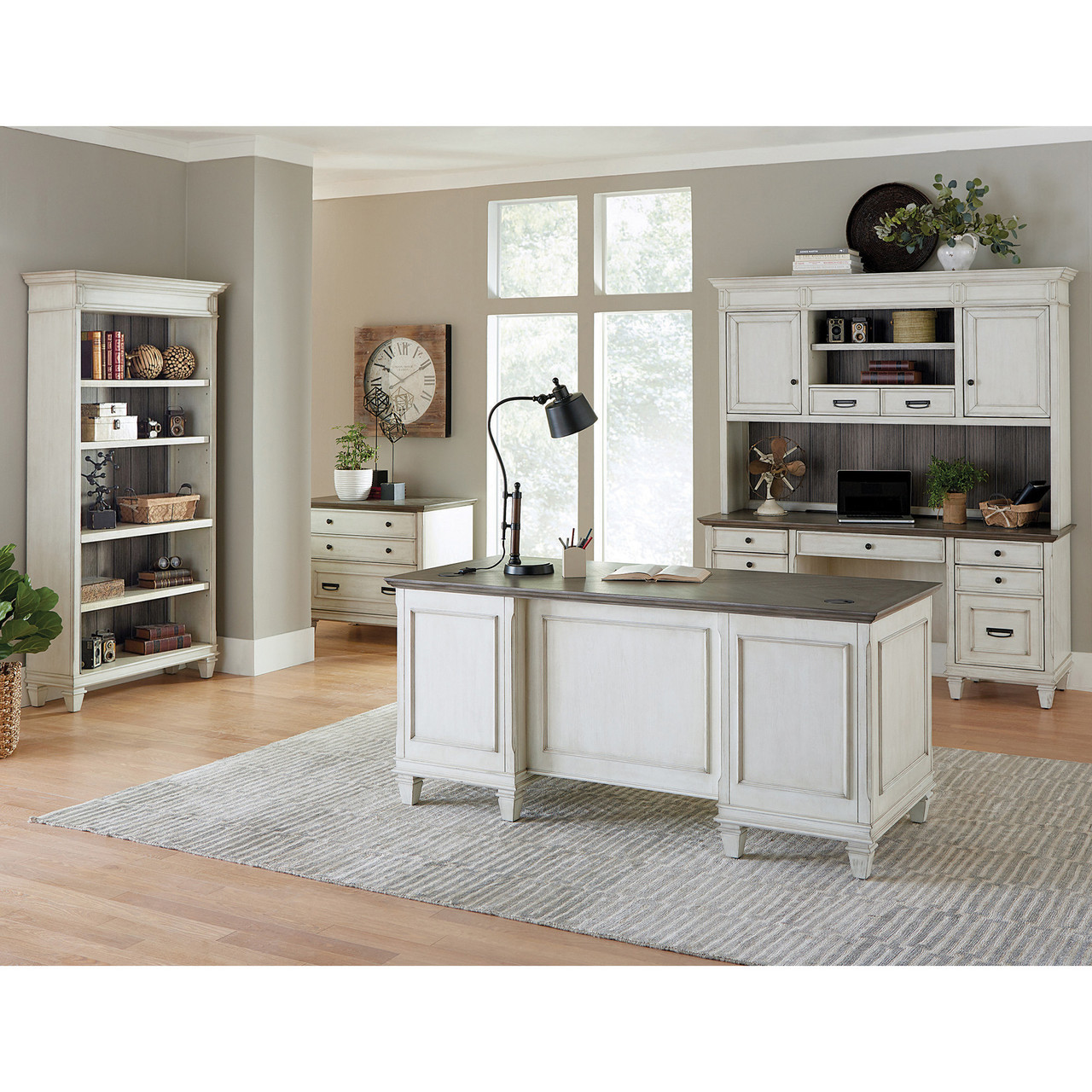
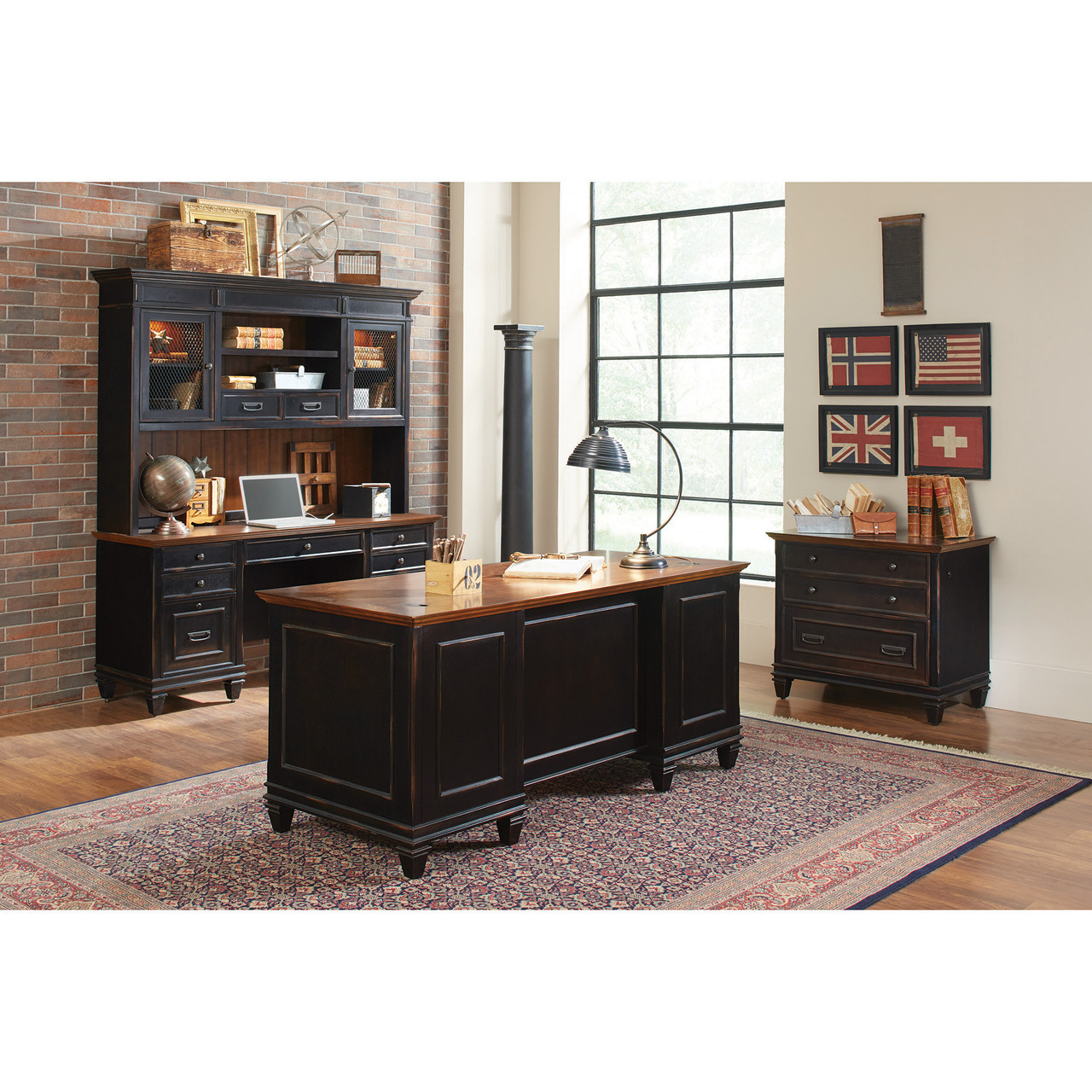
An office suite is more than a desk; it’s usually a coordinated system built around office desks, storage, and sometimes matching office chairs or accessories. Most suites use laminate surfaces, modesty panels, integrated drawers, and corner returns that make daily work feel smoother.
Good layouts keep monitors, paperwork, and peripherals organized, which matters when conference tables are nearby or several office workstations share the same floor. Laminate stays popular because it balances cost, durability, and easy cleaning. If you’re outfitting a growing team in office furniture Utah or office furniture Salt Lake City, a suite often beats mismatched pieces because the look is unified and installation is simpler. Bulk office furniture orders can also lower per-unit cost, which helps when replacing several stations at once. And honestly, not every premium suite earns its price tag. Sometimes a well-built midrange option delivers the best value, especially when you need dependable everyday use without overbuying. For broader browsing, our office suite category is a good starting point.Why Office Suites Often Beat Piecing Furniture Together
Buying a coordinated suite usually reduces decision fatigue and speeds up office furniture installation. The pieces are made to fit together, so you’re less likely to run into compatibility problems between desks, storage, and accessories.
When teams mix separate office desks, conference tables, and seating, they often deal with scale issues, finish mismatches, or wasted square footage. For small and mid-sized businesses, that can mean slower office space planning, more vendor calls, and a room that never quite feels intentional. A used office furniture deal can be smart on paper, but only if you check measurements, wear, and whether every component is included. In IT terms, it’s a lot like cabling a server rack: the layout matters as much as the hardware. Bad planning creates daily headaches. A good office suite also supports ergonomic office chairs and cleaner workspace flow, which helps reduce clutter and improve focus. If you want the bigger buying picture first, this guide to what makes office suites worth buying fits well before you compare models.When an L-Shape Makes More Sense Than a U-Shape
Real-world use cases usually make the decision easier. L-shaped suites work well for corner offices, shared work areas, and managers who want a compact footprint with strong workflow efficiency. U-shaped suites, on the other hand, suit executives, multitaskers, or anyone who needs multiple work zones for monitors, documents, and client meetings.
Reach distance, storage access, and room circulation all change depending on the layout, and that’s where buyers often get tripped up. Walking space matters more than people think, especially in smaller offices or rooms with frequent visitors. A sales manager might prefer an L-shape for a laptop-plus-dual-monitor setup, while an operations lead may appreciate a U-shape for paper files, calls, and admin work. Premium options aren’t always the answer; sometimes the simpler setup is easier to maintain and scales better. I’d also look at the nearby office suite category to compare how different footprints handle real office workstations. In the end, office workstations should match how people actually work, not just how the showroom looks.How to Judge Quality Before You Buy
Start with dimensions and room fit: measure wall lengths, door swings, and traffic paths before ordering. Then look at construction details like laminate thickness, edge banding, drawer hardware, modesty panels, and grommet placement for cables and monitors.
Commercial office furniture should feel solid under daily use; wobble, weak supports, and sloppy drawer slides are red flags. Installation support matters too. Even a great suite can become frustrating if setup is rushed or the vendor doesn’t offer office furniture installation. Pro tip: check warranty terms, lead times, and finish availability before you commit. Sustainability matters a bit here, too—longer-lasting furniture usually means less replacement waste, which is a nice bonus in a budget-conscious market. If you want to verify finishes and current availability, OfficeSource’s official website is the place to look. A trustworthy office furniture store should help with office space planning, not just take an order for wholesale office furniture or new office furniture.OfficeSource OS Laminate U Shape Typical vs. OS Laminate Collection L Shape Typical - OSTYP6
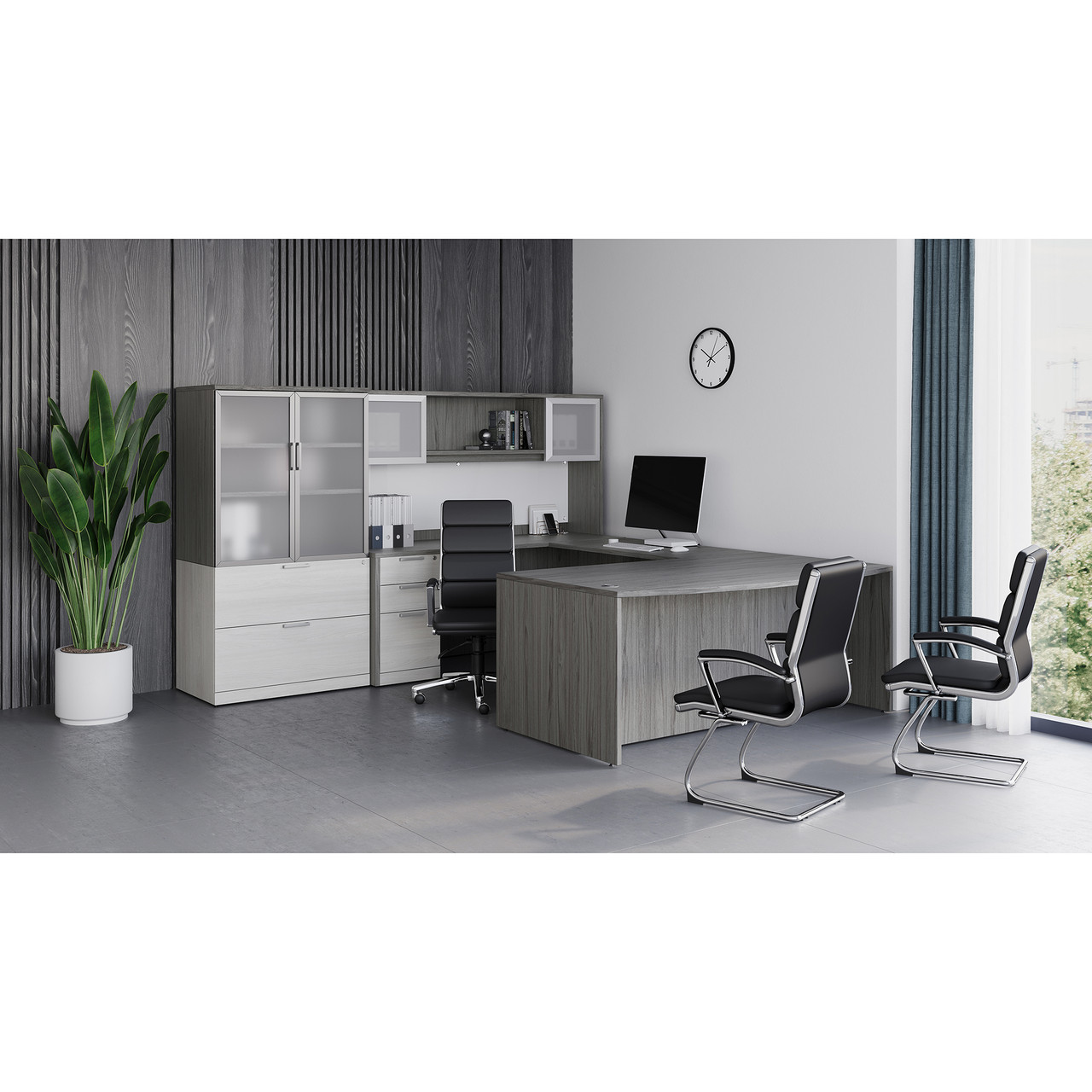
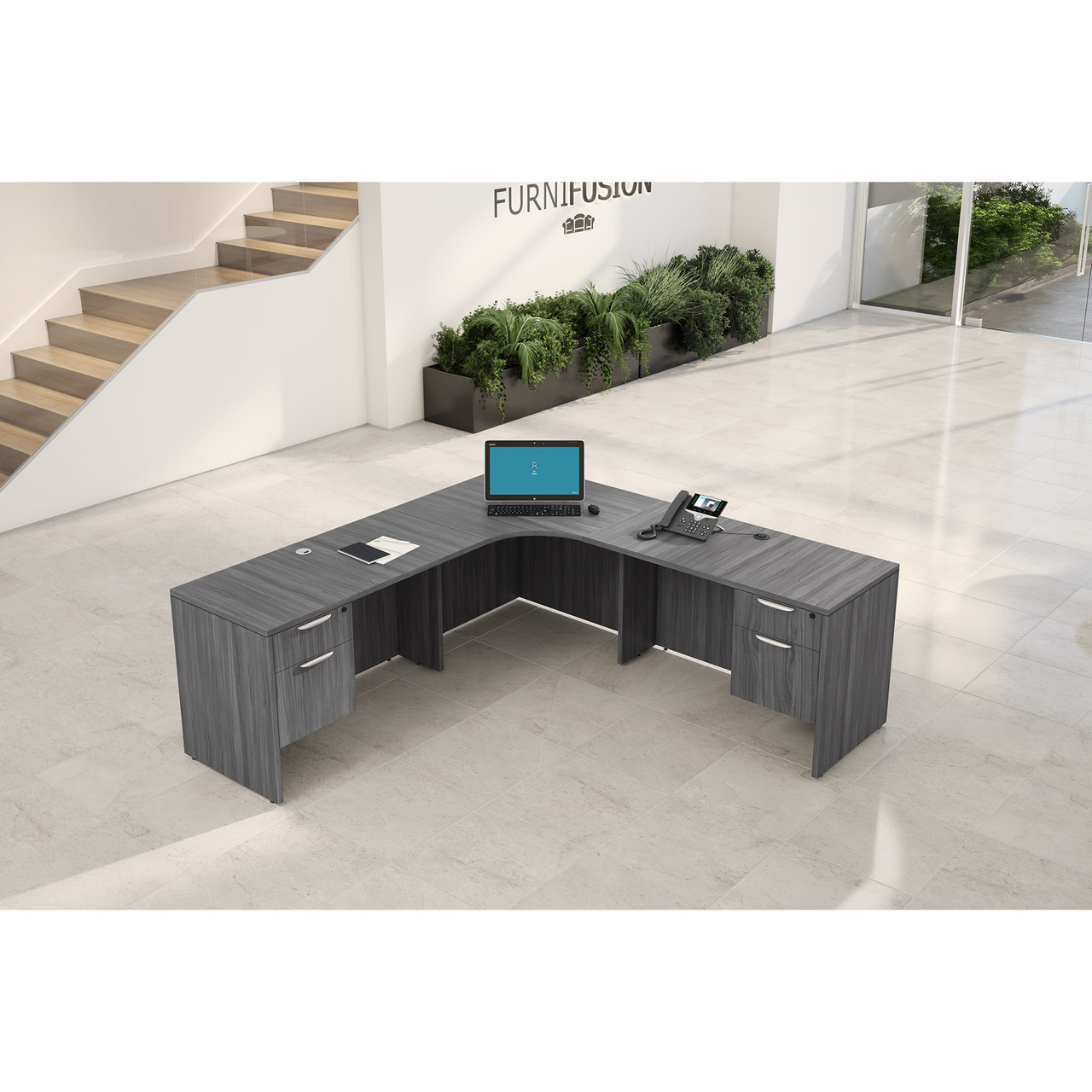
When comparing the OfficeSource OS Laminate U Shape Typical with the OS Laminate Collection L Shape Typical - OSTYP6, the biggest difference is workspace strategy. The U-shape gives you a larger executive-style footprint, more work zones, and a polished collaborative feel. That extra surface area is handy for dual monitors, paperwork, and meetings at the desk. Meanwhile, the L-shape focuses on corner efficiency and makes smaller rooms feel more open. It usually works better for compact offices, shared spaces, or buyers balancing office desks, office chairs, and storage in a tighter layout. In practical terms, the U-shape is stronger for high-activity users who want a command-center feel; the L-shape is often the smarter pick for day-to-day productivity. Both fit well in office furniture Utah searches when the goal is coordinated commercial office furniture without piecing together random components. Choose the U-shape for executive offices or client-facing roles, and choose the L-shape for corner offices or staff managers who need efficiency. The best suite is the one that matches room size, workflow, and budget—not just the biggest option.
How to Set Up an Office Suite Without the Usual Headaches
1) Measure the room carefully, including outlets, vents, door clearance, and walking paths. 2) Decide whether the suite supports one user, a manager, or a multi-zone workflow with office workstations nearby. 3) Map out monitors, printer access, file storage, and power cables before the furniture arrives.
4) Confirm delivery windows and office furniture installation details so nothing gets delayed. 5) Place the main desk first, then add return pieces, storage, and seating. 6) Test ergonomics: chair height, monitor distance, keyboard reach, and legroom. 7) Finish by organizing cables and keeping frequently used items within easy reach. Common mistakes? Buying too large, ignoring wall outlets, or skipping assembly instructions. I’ve seen teams upgrading from used office furniture need a few new accessory pieces to make everything function properly. Office space planning usually goes smoother when the layout is sketched out first, even if it’s just on graph paper or a simple floor-plan app.Conclusion
Office suites make the most sense when they solve a real workspace problem instead of just looking impressive. The best choice depends on room size, day-to-day workflow, and whether you need a compact L-shape or a more expansive U-shape. In my experience, the most successful setups balance durability, installation simplicity, and comfort—not the most expensive price tag. That applies whether you’re comparing wholesale office furniture, new office furniture, or even used office furniture options. Keep office chairs, office desks, conference tables, and nearby office workstations in the picture, because the suite has to work with everything else around it.
If you take the time to measure, compare layouts, and think through how people actually use the space, you’ll usually make a better buy. That’s the real win: a workspace that feels easier every day. Ready to narrow it down? Start with the office suite category.Frequently Asked Questions
Common questions about Office Suites