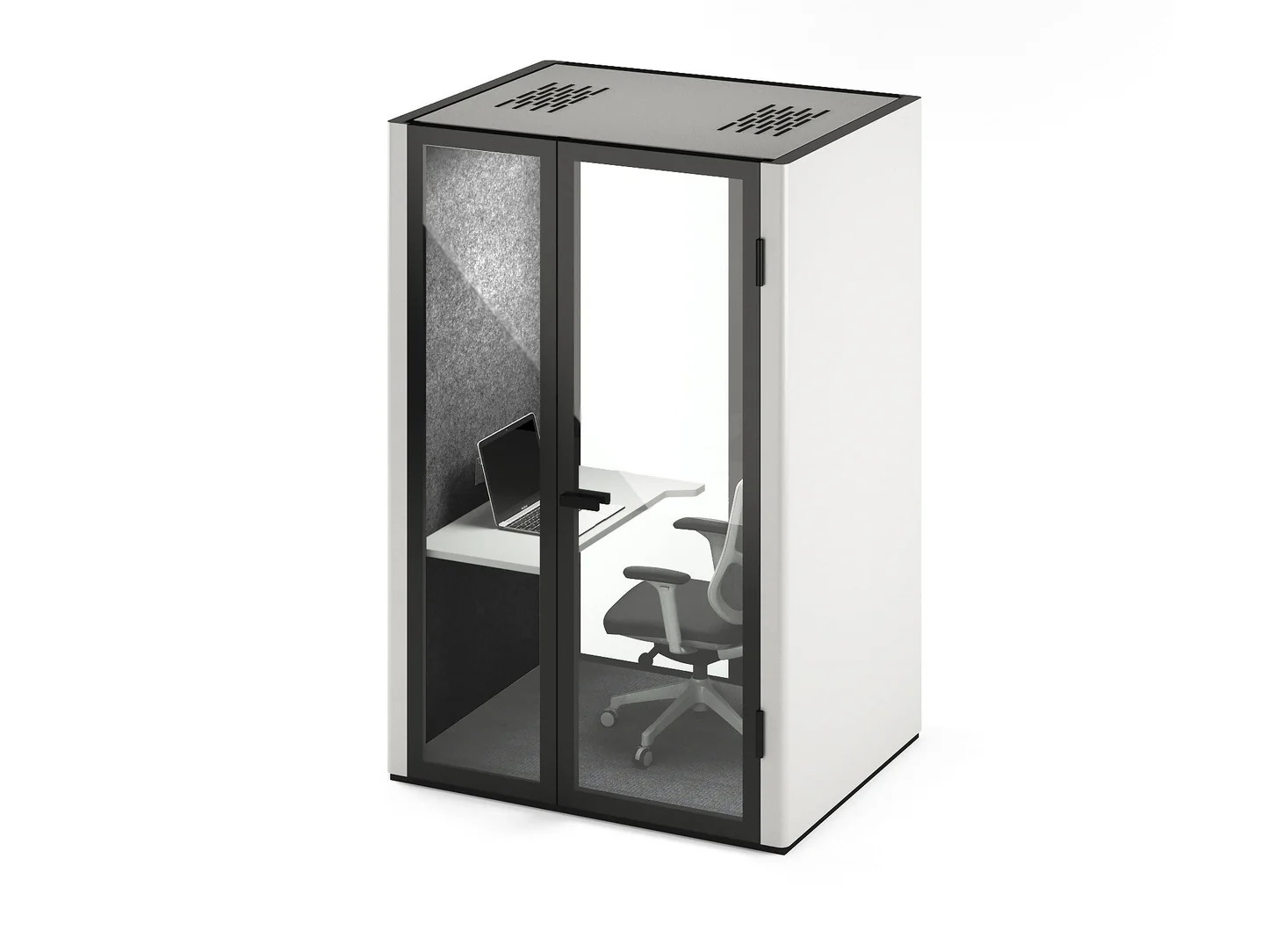
Which Office Pod Fits Your Team Best: ReddiSpace WeTime Pod or QuickTime Pod?
Modern workplaces are changing fast: hybrid meetings, nonstop video calls, and very little patience for open-office noise. Office pods solve that by adding privacy without a full build-out. If you've ever tried to take a client call beside a loud collaboration zone, you know the pain. In my experience, wholesale office furniture and commercial office furniture buyers want flexibility, acoustics, and good looks. This post breaks down what makes pods valuable, where they fit, and how the ReddiSpace WeTime Pod and QuickTime Pod compare, with this background on productivity and a practical look at pod benefits.
What Makes a Great Phone Booth Pod Today?
A good pod should feel like a self-contained micro-environment, not just a box with a door. The basics matter: acoustic performance, ventilation, lighting, power access, privacy, durability, and a footprint that actually works in your floor plan. Materials usually include acoustic panels, laminated glass, steel framing, and soft interior finishes that help reduce echo. I’ve noticed many teams underestimate ventilation until the first week of use, when someone sits inside for 20 minutes and suddenly the room feels stale. That’s why airflow specs deserve real attention. The best pods support calls, focus work, and quick meetings without making people feel boxed in. Buyers often compare them the same way they compare office desks bulk or conference tables wholesale: dimensions, finish options, lead times, and long-term value all matter. A pod can look premium, but if it gets stuffy or noisy, it’s not pulling its weight. For a deeper look at the design and functionality trends behind adoption, the pattern is pretty clear: offices want privacy without permanent construction.
Why Privacy Pods Improve Focus, Calls, and Team Flow
The real value of office pods shows up in the daily grind. They cut noise spill, protect confidential conversations, and give people a place to work without booking a conference room for every five-minute call. That means fewer interruptions, better etiquette, and more time spent actually getting work done. Use cases are everywhere: HR interviews, sales demos, IT troubleshooting, onboarding calls, and heads-down work during busy seasons. From an IT perspective, I’ve seen a quiet pod save the day when the network team needed a private spot for vendor calls or incident management. Premium acoustic options can be worth it when sound control is critical, but they’re not always necessary; sometimes a simpler pod is the smarter budget move. Businesses shopping alongside ergonomic chairs wholesale or commercial office furniture often treat pods as part of a broader upgrade, not a one-off purchase. Modular designs can also help if teams grow or layouts change, which is a nice sustainability bonus. For a broader productivity angle, phone booth strategy ties in well here.
Where Office Pods Fit Best in Real Workspaces
Office pods fit best in places where noise, privacy, and fast access all matter. Open offices are the obvious example, but I’ve also seen them work well in coworking spaces, reception-adjacent zones, hybrid hubs, and satellite offices with limited meeting rooms. Different teams use them differently: sales needs quick call access, leadership wants confidentiality, and tech teams often need a quiet place for support escalations or screen-sharing sessions. A few layout tips help a lot. Place pods near active work zones, but not in the middle of heavy foot traffic. Leave clearance for doors and ventilation. Plan power access before final placement, because moving a pod after install is never fun. One common mistake is buying a model that looks great online but is too large for the room. Another is assuming one pod will solve every noise issue in a large office. It won’t. The office furniture market is shifting toward flexible, modular pieces, so pods are often paired with conference tables wholesale and collaborative seating to create a balanced environment.
How Buyers Usually Evaluate Pods Before They Order
When buyers compare office pods, they usually look past the brochure and focus on the details that affect daily use. Acoustic rating, size, internal airflow, lighting quality, installation requirements, warranty, maintenance, and delivery timeline all belong on the checklist. Procurement teams care about total cost of ownership, not just the sticker price, and honestly, that’s the right mindset. Quick checklist: measure the space, confirm ceiling height, verify electrical needs, ask about lead times, and review cleaning requirements. Commercial office furniture buyers often judge pods the same way they judge desks or task chairs—by durability, supplier support, and how well the product fits the workplace plan. A more expensive pod isn’t always better if your office only needs short call booths instead of full mini-meeting rooms. Quick Wins: match finishes to the workspace, confirm acoustic seals early, and test how the pod feels during a real call. I’ve had to fix furniture mismatches after delivery, and it’s always more expensive than getting it right upfront. Vendor documentation from trusted suppliers helps too.
ReddiSpace WeTime Pod vs. ReddiSpace QuickTime Pod: Which One Fits?
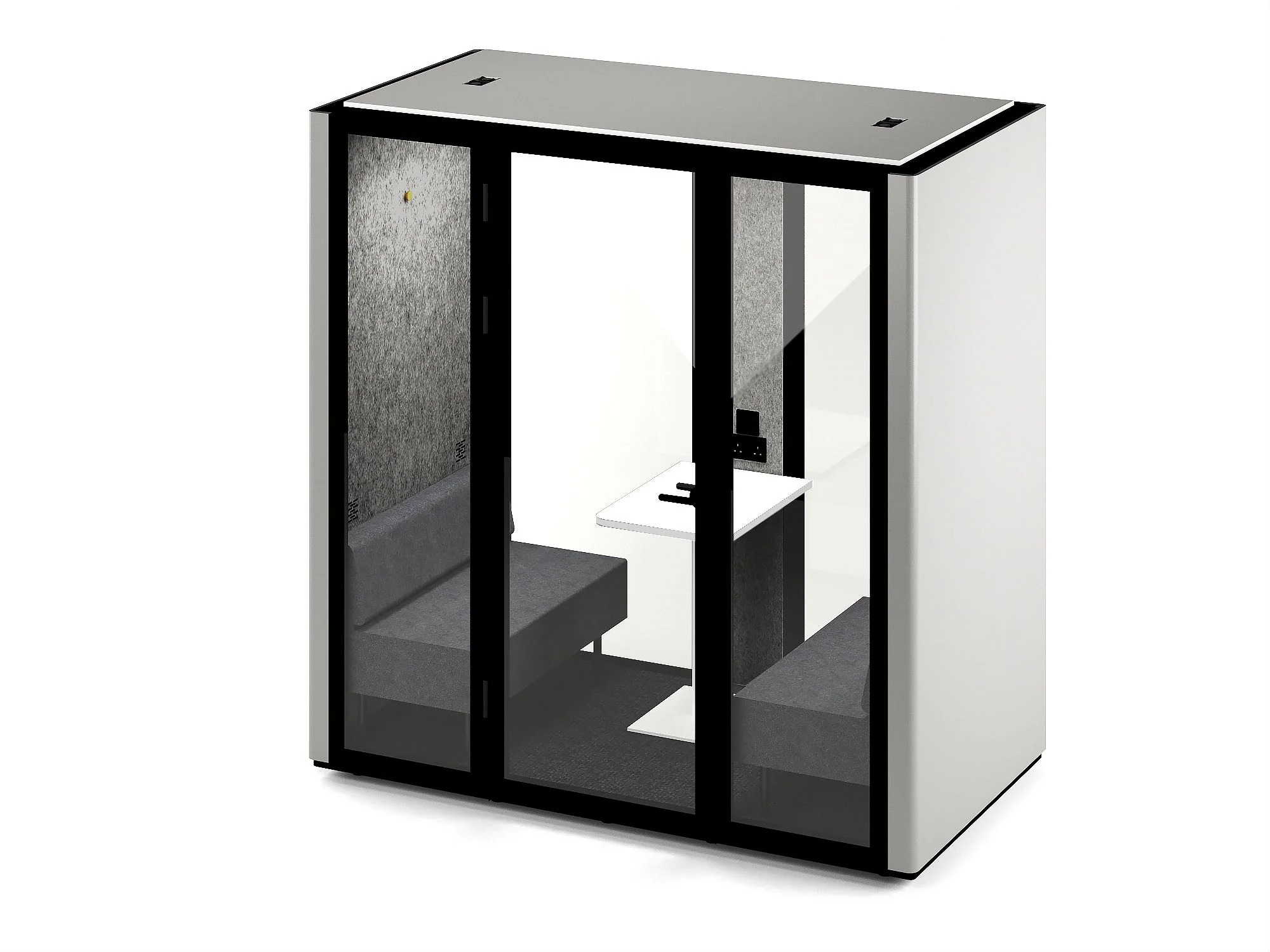
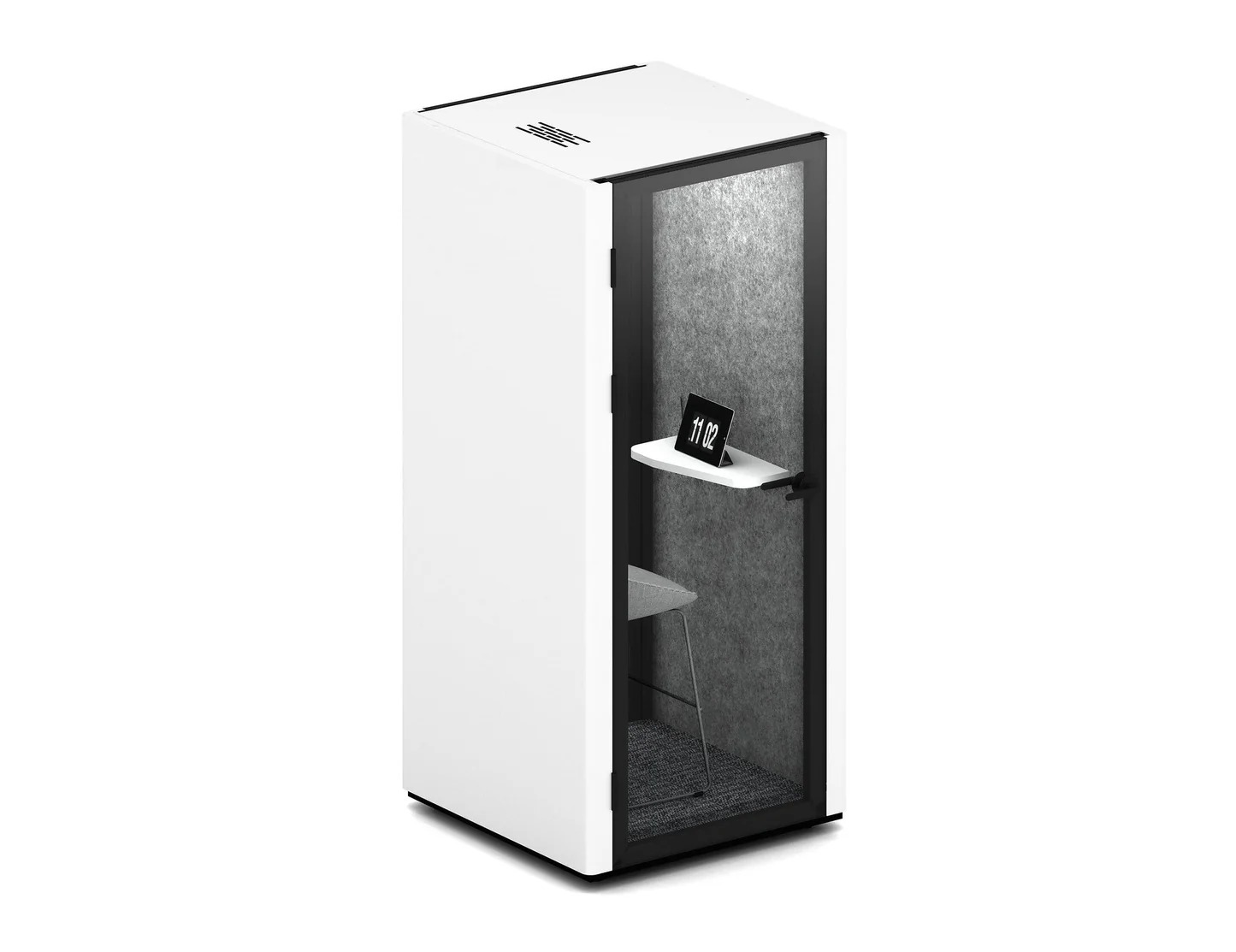
If you’re comparing the ReddiSpace WeTime Pod with the ReddiSpace QuickTime Pod, start with how your team actually works. The WeTime Pod is usually the better fit when you want a more comfortable, extended-use space for focused work or longer conversations. The QuickTime Pod tends to shine for fast calls, short check-ins, and high-turnover use. In practice, that means WeTime often feels more spacious and comfort-first, while QuickTime leans into efficiency and quick access. I’d look at footprint, acoustic emphasis, ventilation, and interior comfort before getting lost in spec sheets. Real use cases matter here: HR interviews, private Zoom meetings, and IT support calls all benefit from privacy, but not every call needs the same level of enclosure. If your team values longer occupancy and a calmer feel, WeTime may make more sense. If your office needs circulation and speed, QuickTime is probably the better move. Either way, the best choice depends on workflow, budget, and available floor space—not just numbers on paper.
How to Choose and Set Up the Right Pod
A smart pod purchase starts with the job you want it to do. Step 1: define the main use case—phone calls, solo focus, or short meetings. Step 2: measure available space and confirm traffic flow so the pod doesn’t block circulation. Step 3: check power, lighting, and ventilation requirements before you order. Step 4: compare acoustic needs against your office’s actual noise level; don’t overbuy if you only need a modest sound barrier. Step 5: coordinate delivery and installation with facilities or IT so the pod lands near the right outlets and network access points. After setup, test it with real calls, not just a quick walk-through. If multiple teams share it, create a simple booking rule. Keep cleaning and maintenance easy, too. In my experience, office upgrades go smoother when pods are chosen alongside other commercial office furniture instead of as an afterthought. The goal is utility, not just appearance, and that usually shows up in daily use within the first week.
Conclusion
At the end of the day, office pods are no longer a niche luxury—they’re a practical tool for privacy, productivity, and better workspace flow. If you want a comfort-forward, longer-use experience, the WeTime Pod is usually the better fit. If fast access and short-turn calls matter more, the QuickTime Pod makes more sense. Premium isn’t automatically better; the right choice depends on how your team actually works, how much space you have, and what kind of noise control you need. That’s why pods belong in the same planning conversation as wholesale office furniture, office desks bulk purchases, ergonomic chairs wholesale, and conference tables wholesale. They’re part of a larger workplace strategy, not a stand-alone gadget. My advice? Compare the specs, think through the use cases, and buy the pod that solves a real problem. The best office upgrades are the ones people use without being told. Start with the right category of office pods and build from there.
Frequently Asked Questions
Common questions about Pods