How Do You Choose the Right Conference Table for Meetings, Training, and Growth?
Conference tables do more than fill space—they shape meeting flow, first impressions, and team comfort. In my experience, a good table is one of those purchases people don’t think about until the wrong one causes awkward seating, cable clutter, or constant rearranging. The main factors are size, shape, durability, edge protection, and long-term value. With wholesale office furniture and commercial office furniture moving toward flexible, scalable layouts, smart buyers compare conference tables wholesale with confidence.
Start with the Room, Not the Catalog
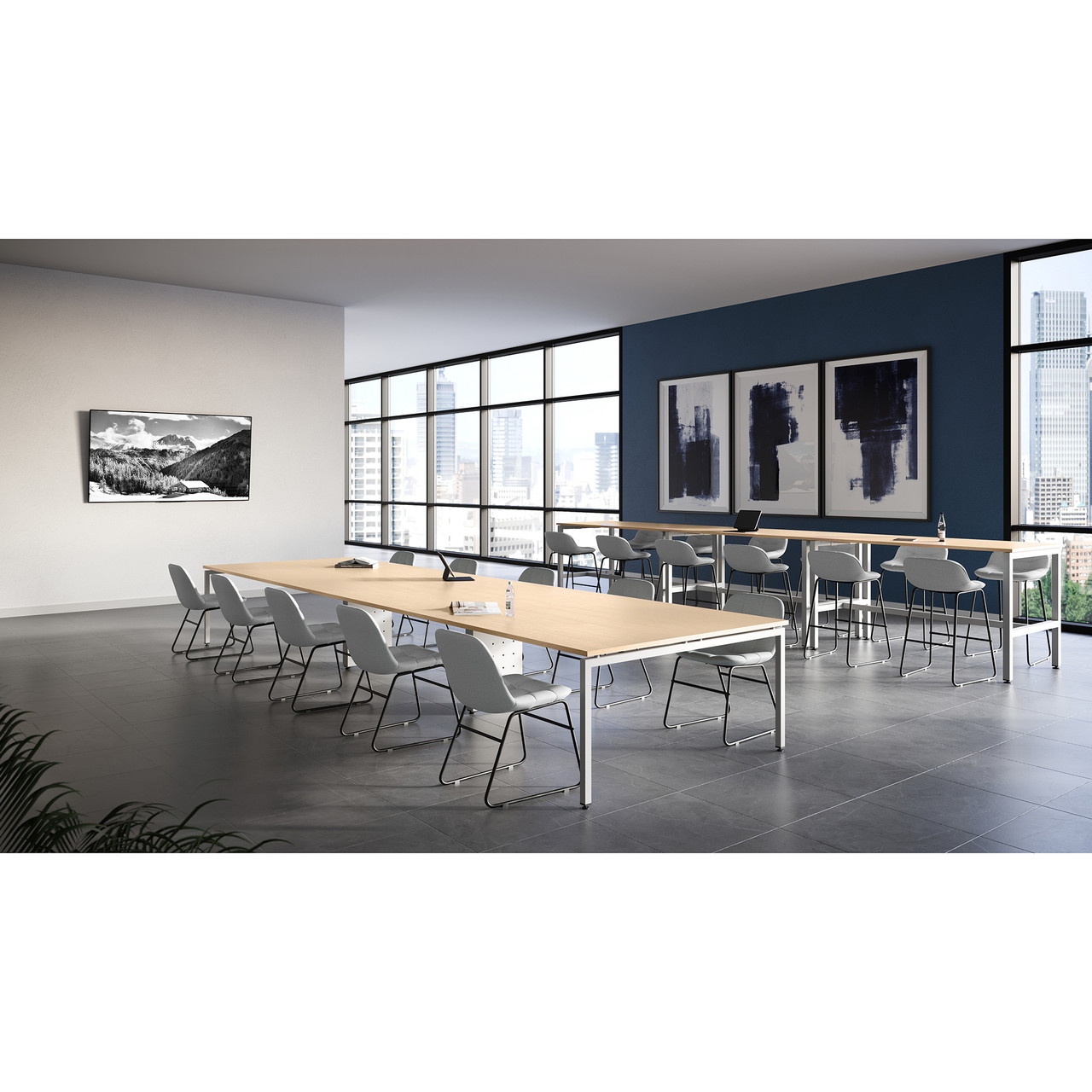
Before you fall in love with a finish or profile, start with room dimensions and traffic flow. That usually means measuring wall-to-wall, then mapping out chair clearance, door swing, walkways, and where the screen or whiteboard will sit. A table can look perfect online and still fail in a real office if people can’t move around it comfortably. As a rule of thumb, leave enough space for seating, presenter movement, and easy power access.
I’ve walked into offices that overbought oversized tables, and honestly, the room felt tighter, not more impressive. Meanwhile, smaller tables with better proportions made collaboration easier because everyone could see each other and get in and out without side-stepping chairs. The same logic shows up in office desks bulk planning: buy for the actual layout, not the wish list. If your team needs a broader furniture plan, it helps to compare your conference table options in the right category before locking anything in. In my opinion, that step saves time and a few headaches later. The best conference table is usually the one that fits naturally, supports how people work, and doesn’t dominate the room just because it has a bigger footprint.Shape, Surface, and Style: What Actually Matters
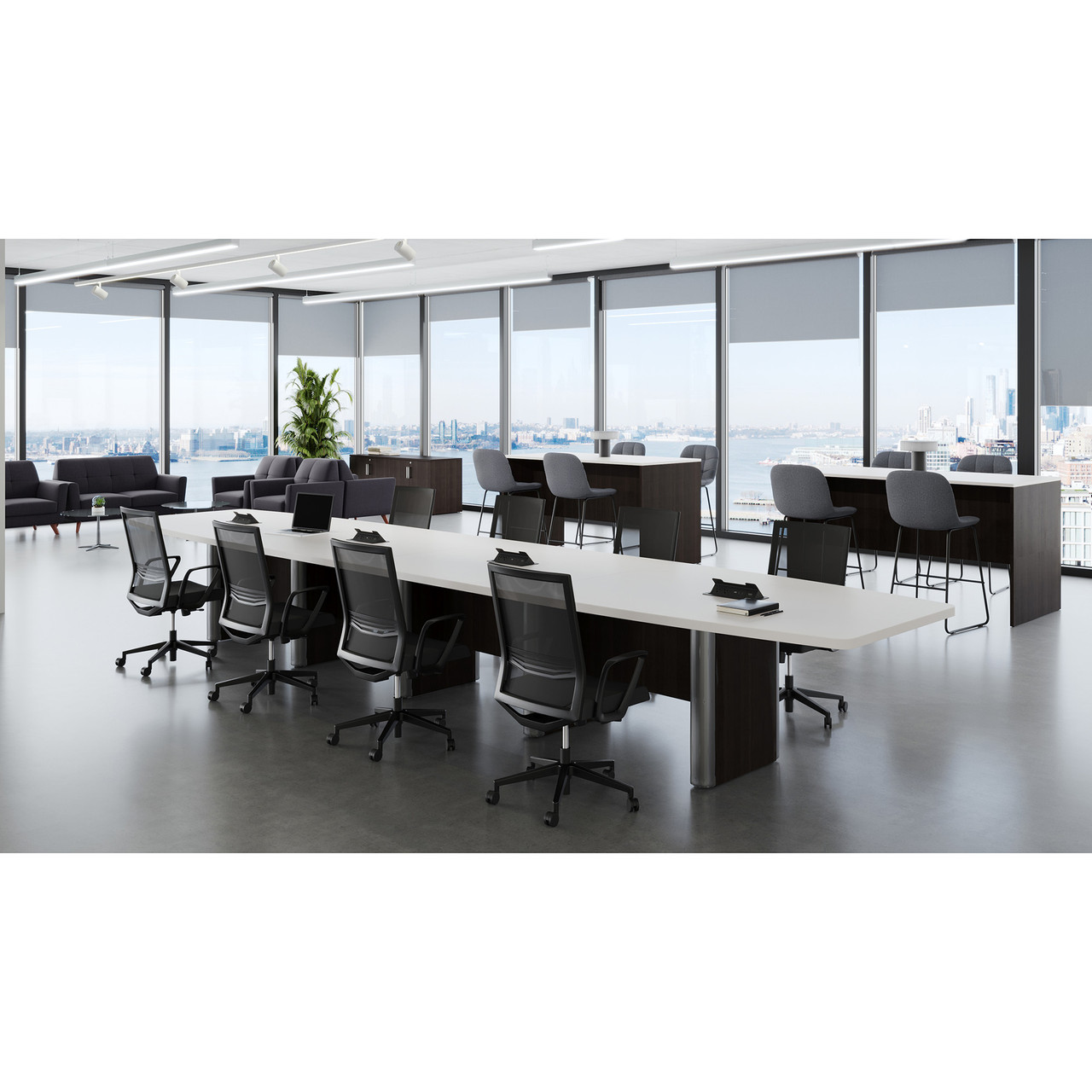
The most common conference table shapes each solve a different problem. Rectangular tables are straightforward and efficient, so they work well in smaller meeting rooms and traditional layouts. Boat-shaped tops soften the edges a bit and usually improve sightlines for larger groups, which is why they feel more polished in executive settings. Round tables, on the other hand, are great when you want equal voice and easy conversation. Modular tables are the flexible option—useful when a room has to shift from meetings to training or breakout sessions.
For surfaces, laminate is the value favorite because it’s durable, easy to clean, and usually easier on the budget. Veneer brings a warmer, more premium look, but it can cost more and may need a little more care. Thermally fused options often sit in the middle, balancing price and everyday durability. Edge treatments matter too. A 3 mil PVC tough edge band, for example, can help protect against the bumps that come from carts, laptop bags, and chair arms in busy spaces. Premium isn’t always better; sometimes a sturdy laminate conference table is the smarter buy. I also like to think about lifecycle value—buying a durable table that lasts longer can be the greener move. If seating around the table matters too, pair your layout planning with these ergonomic seating considerations.Features That Boost Meetings Instead of Complicating Them
The details that make a conference table easier to live with are often the ones buyers skip in the first pass. Cable management, power and data integration, base style, leg clearance, and modular expandability all matter more than they seem. Built-in power modules, grommets, and hidden cable routing keep laptops, chargers, and display cords from turning a clean table into a mess. That’s especially useful in hybrid meetings, where someone is always plugging in at the last minute.
Base design affects comfort too. Slab bases can look substantial, pedestal styles may free up movement, and open-leg configurations often give better knee space and accessibility. If your team runs video calls a lot, I’d prioritize camera sightlines and mic placement almost as much as the tabletop itself. Modern commercial office furniture has to support both in-person and remote collaboration now, so flexibility isn’t a bonus anymore—it’s the baseline. For training rooms, executive meetings, and project kickoff spaces, a conference table should help the room adapt, not fight the agenda. One mistake I see all the time: underestimating device clutter. Another: forgetting ADA-friendly clearance. A third: choosing a base that blocks chairs. If you’re planning a broader furniture refresh, it’s worth reviewing conference table solutions built for active offices before you buy.Buying for Value: Budget, Durability, and Scale
When you evaluate value, don’t stop at the sticker price. Total cost of ownership includes durability, maintenance, assembly effort, and how long the table stays useful as the company grows. That’s where the wholesale office furniture angle starts to make sense. If your team is scaling, it often pays to buy a conference table that can handle future headcount or a room reconfiguration instead of replacing a cheap one later. For multi-room projects, conference tables wholesale can also help keep finishes and sizing consistent across offices or floors.
I like a good, better, best mindset here because it keeps the decision grounded. Good usually means functional and budget-friendly. Better adds stronger materials or cleaner cable options. Best might include premium finishes and expansion features—but that doesn’t mean it’s the right choice. I’ve seen buyers regret choosing a fashionable but fragile table that showed wear after just a few quarters. Timing matters too; ordering during a buildout or refresh cycle can improve consistency and sometimes value. And if specs, finish options, and lead times are driving the decision, I’d start with OfficeSource official conference table selections rather than guessing. That’s the safe move when a project has real deadlines.OfficeSource Expandable Boat Table vs. Compact Rectangular Top: Which Fits Better?
If you’re comparing OfficeSource | OS Laminate Conference Tables | Expandable Boat Shaped Conference Table with Slab Base - 26' with the OfficeSource | Variant | Rectangular Top - 36"W x 24"D (Requires Base), the right pick usually comes down to room size and meeting style. The expandable boat-shaped table is built for larger conference rooms, leadership meetings, and spaces that need a polished, executive feel. Its laminate surface, 3 mil PVC Tough Edge, and expandable design make it a strong choice for durability and long-term use. The rectangular top, by contrast, is more compact and flexible. It works well in smaller meeting zones, collaborative workstations, or custom desk/table builds where a base is already planned.
In practice, the boat-shaped option is better when presentation and seating hierarchy matter. People can see the speaker more easily, and the room feels a little more formal. The rectangular top is smarter when space efficiency and customization take priority. Neither one is automatically better—it depends on budget, room dimensions, and how formal the meetings usually are. I’d call the boat table the safer “main conference room” pick and the rectangular top the more adaptable everyday solution.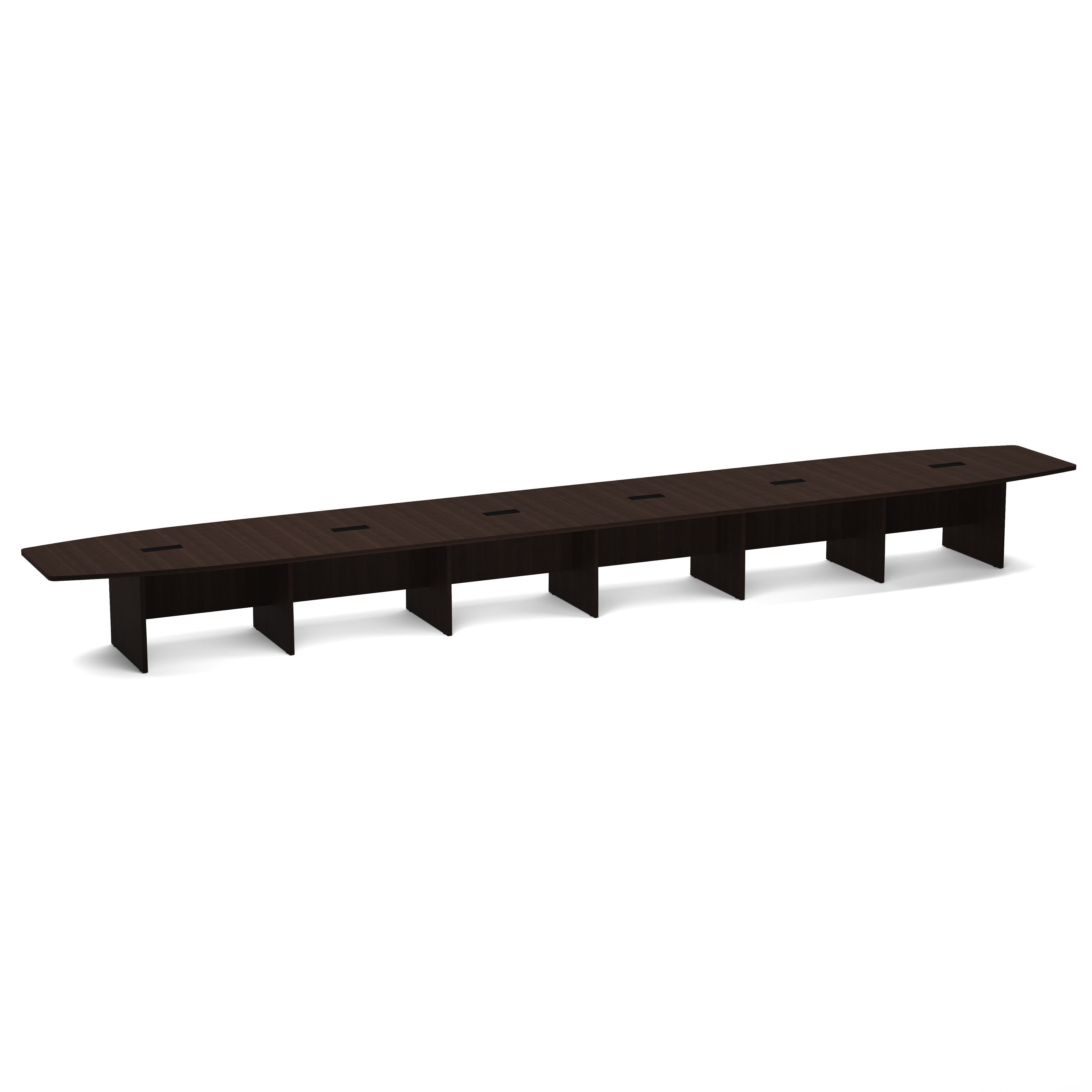

How to Choose and Set Up a Conference Table Without the Guesswork
Here’s a simple way to choose and set up a conference table without second-guessing yourself. Step 1: measure the room and tape off chair-clearance zones on the floor. Step 2: decide how many people need to sit comfortably, not just how many can squeeze in. Step 3: choose the shape based on meeting style—boat-shaped for larger presentations, rectangular for straightforward layouts, round for smaller collaborative spaces.
Step 4: check power access, cable routes, and whether you need a base that supports devices without creating clutter. Step 5: confirm finish, edge protection, and cleaning needs based on daily use. Step 6: assemble and position the table so it doesn’t block screens, doors, or walkways. Best practice? Test the setup with chairs before you finalize placement. That one step catches a lot of problems early. Common mistakes are pretty predictable: forgetting cable paths, leaving no room for presenters to move, or choosing a size that looks good in the catalog but feels wrong in the room. In real offices, the best conference table is the one that makes meetings easier the moment people sit down.Conclusion
The right conference table is a workspace multiplier. It improves meetings, supports collaboration, and makes the office feel more intentional. When a table fits the room, the whole space usually works better—people settle in faster, cables stay under control, and the room feels ready instead of improvised. The main decision points are simple: fit the room first, then weigh shape, durability, functionality, and value.
You don’t need the fanciest option. You need the one that matches how your team actually works. In my experience, the best purchases are the ones people stop noticing because they simply work. That’s especially true when you’re comparing wholesale office furniture options or planning a broader commercial office furniture refresh. If you’re ready to narrow things down, start with the conference table category selection that fits your space and build a meeting area that feels organized, professional, and ready for growth.Frequently Asked Questions
Common questions about Conference Tables