What Makes Office Suites Worth Buying? 5 Things to Know Before You Choose
I’ve seen it happen a lot: the right office suite turns a space from merely functional into something polished, productive, and easier to manage. Buyers usually notice looks first, then realize storage, layout, and durability shape everyday work much more. In wholesale office furniture, office suites stay popular because they deliver a coordinated, professional look without mixing mismatched pieces. Laminate finishes, modular layouts, and flexible L-shaped setups are often the sweet spot—sometimes a smart midrange suite beats premium options. We’ll cover features, benefits, use cases, comparisons, setup tips, and buying questions.
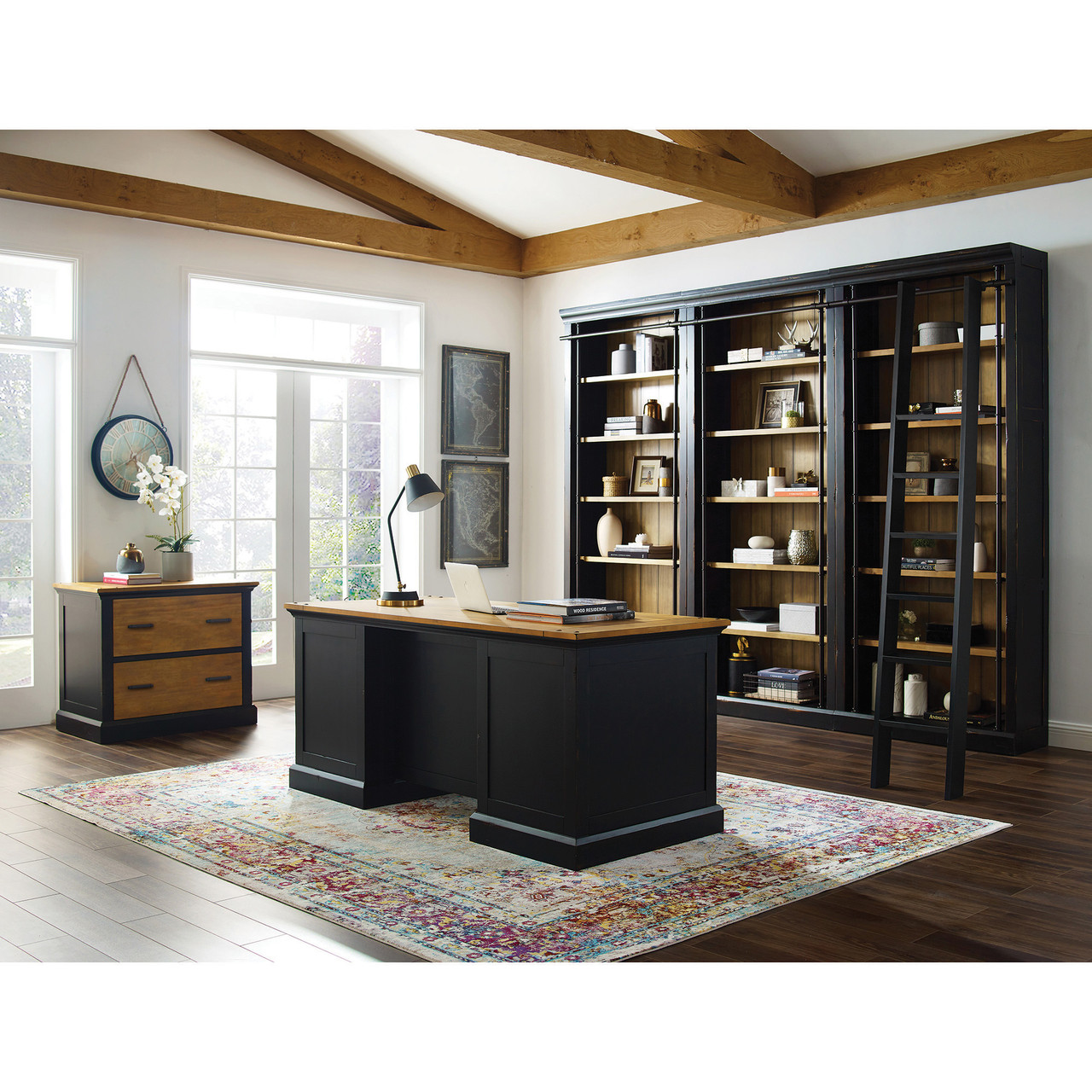
What You’re Really Getting in an Office Suite
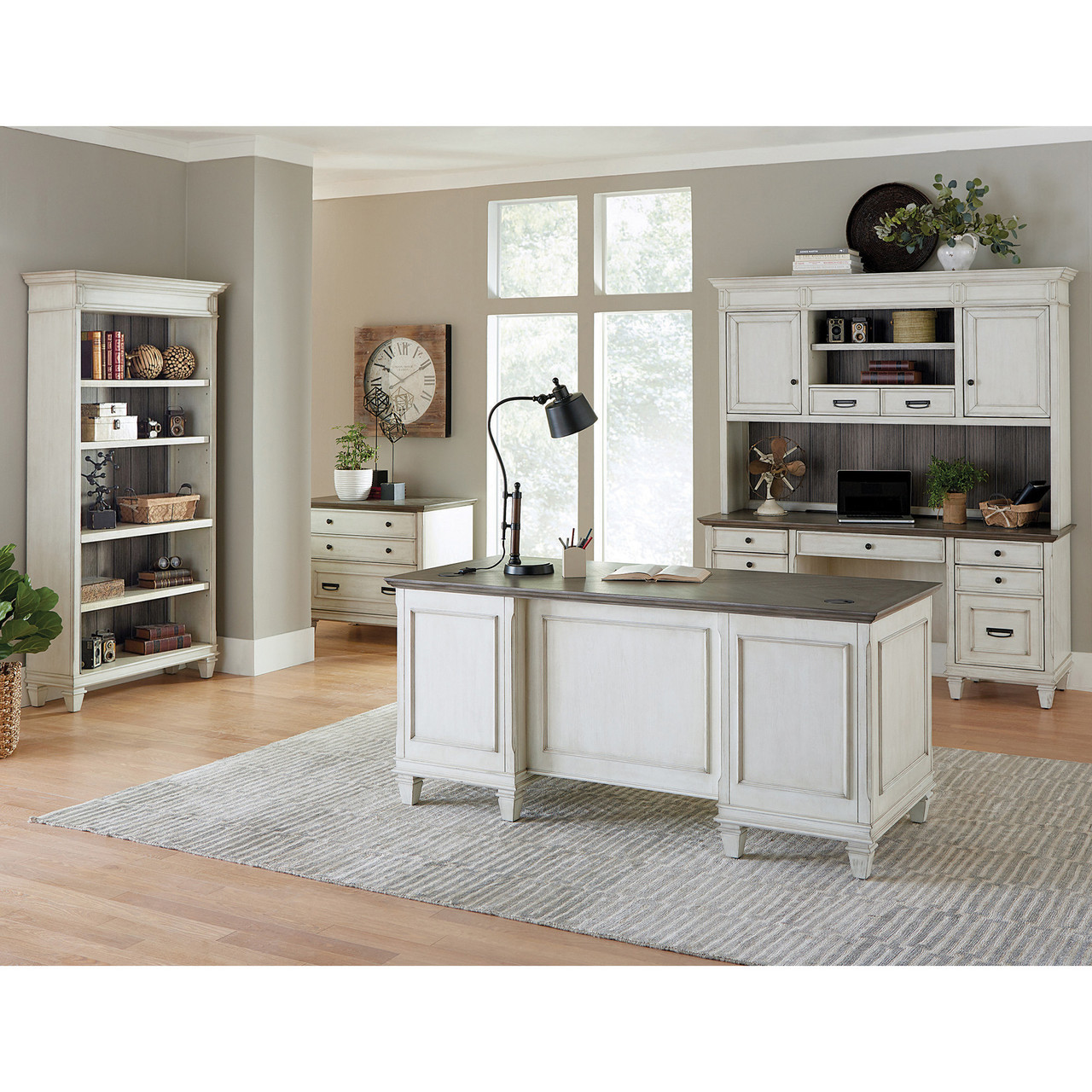
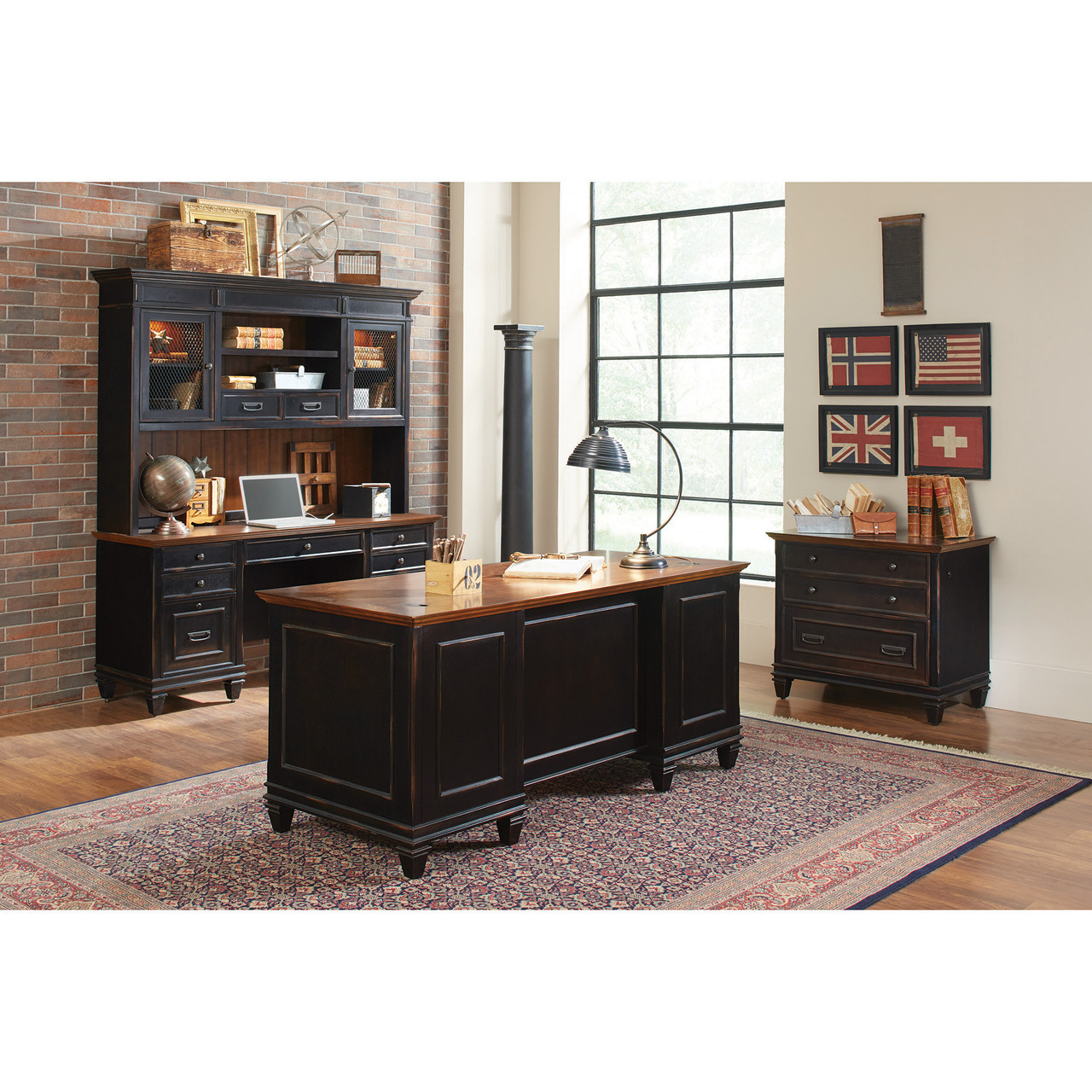
An office suite usually includes a desk shell, returns, pedestals, bridge pieces, and sometimes storage or file components, all designed to work as one workstation. That coordinated layout matters a lot in office desks bulk orders because it keeps the space looking intentional instead of pieced together.
Most buyers should pay attention to laminate surfaces, scratch resistance, edge banding, modesty panels, cable management, and the actual desk footprint. In my experience, laminate is often the strongest value play for busy offices: it balances durability, cleanup, and cost without feeling cheap. A suite can support an executive office, an administrative pod, a customer-facing area, or a manager’s room without forcing a full redesign. Pro Tip: measure room clearance, chair movement, and traffic flow before you buy. A 3-person admin team, a storage-heavy manager, or a hybrid office that wants a neat client-facing setup all benefit from the same core idea—good specs improve comfort, workflow, and long-term value. If you’re browsing the office suites category, look for the details that match daily use, not just the finish in the photo.Why Office Suites Often Beat Piecing Furniture Together
The biggest advantage of office suites is simple: they save time, reduce decision fatigue, and make procurement easier. When finishes and proportions match, the room feels more credible and professional—especially near reception-adjacent work areas or leadership offices.
Buying one full suite also cuts down on compatibility issues, simplifies installation, and makes future scaling less awkward. You’re not hunting for a return that almost matches or a pedestal that sits a half-inch too low. That said, premium suites aren’t always worth the extra spend if your team doesn’t need high-end veneer or designer detailing. For many workplaces, a durable laminate office suite is the smarter investment. Current market trends back that up: flexible workstations, cleaner cable routing, and modular add-ons are all gaining ground because offices keep changing. In IT and operations spaces, I’ve noticed the best setups are usually the ones that minimize clutter and support fast reconfiguration. There’s also a small sustainability angle here—one complete, long-lasting suite can reduce replacement cycles and waste. So ask yourself: do you need a statement piece, or do you need a reliable everyday workhorse?Where Office Suites Fit Best in Real Workspaces
Office suites shine in executive offices, department manager spaces, operations hubs, client-facing back offices, and growing startups that need a polished first impression. Different layouts support different work styles, too: an L-shaped suite helps with multitasking and paperwork, a bow front desk feels better for meetings and welcome interactions, and a straight workstation saves space when every square foot counts.
Commercial office furniture buyers often choose office suites when they want consistency across multiple rooms, not just one hero desk. A HR manager may need privacy and storage, while a sales lead might need a desk that works well during client conversations. An IT administrator, meanwhile, usually wants a stable surface for monitors, docks, and peripherals. Common Mistakes to Avoid: forgetting chair clearance, underestimating power/data access, or choosing a desk that overwhelms a small room. If the office is growing, modular desk planning ideas can help you stay flexible without starting over later. You can also keep the overall look consistent by pairing suites with the right guest seating considerations near reception or meeting zones. Bottom line? A good suite should support how people actually work—not just how the room looks in a photo. For more layout inspiration, the office furniture category can help narrow the field.How to Judge Quality Before You Buy
Start with size and layout: confirm room dimensions, walking paths, and where monitors, printers, and filing will sit. Then check build quality—surface finish, drawer slides, pedestal depth, panel thickness, and overall stability. After that, look at function: grommet placement, wire management, and how the storage is configured.
If you’re buying office desks bulk, ask about lead times, assembly requirements, and freight delivery, because those details can affect rollout more than the product itself. Quick checklist: measure, compare, confirm materials, review storage, and plan installation. One practical tip from experience—don’t ignore the chair pairing. Good seating matters too, and guest seating considerations can be relevant if the suite sits near a client area. Buyers should also compare finish options and warranty coverage, and review whether the vendor offers coordinated add-ons through OfficeSource’s official site. A well-chosen office suite usually feels simple on day one and still holds up after months of daily traffic. That’s the real test, honestly: does it make work easier, or just look good in the catalog? If you want to think ahead, modular desk planning ideas can also help you avoid a layout that ages too quickly.OfficeSource OS Laminate Typical OSTYP387 vs. OfficeSource OS Laminate L Shape Typical OS86
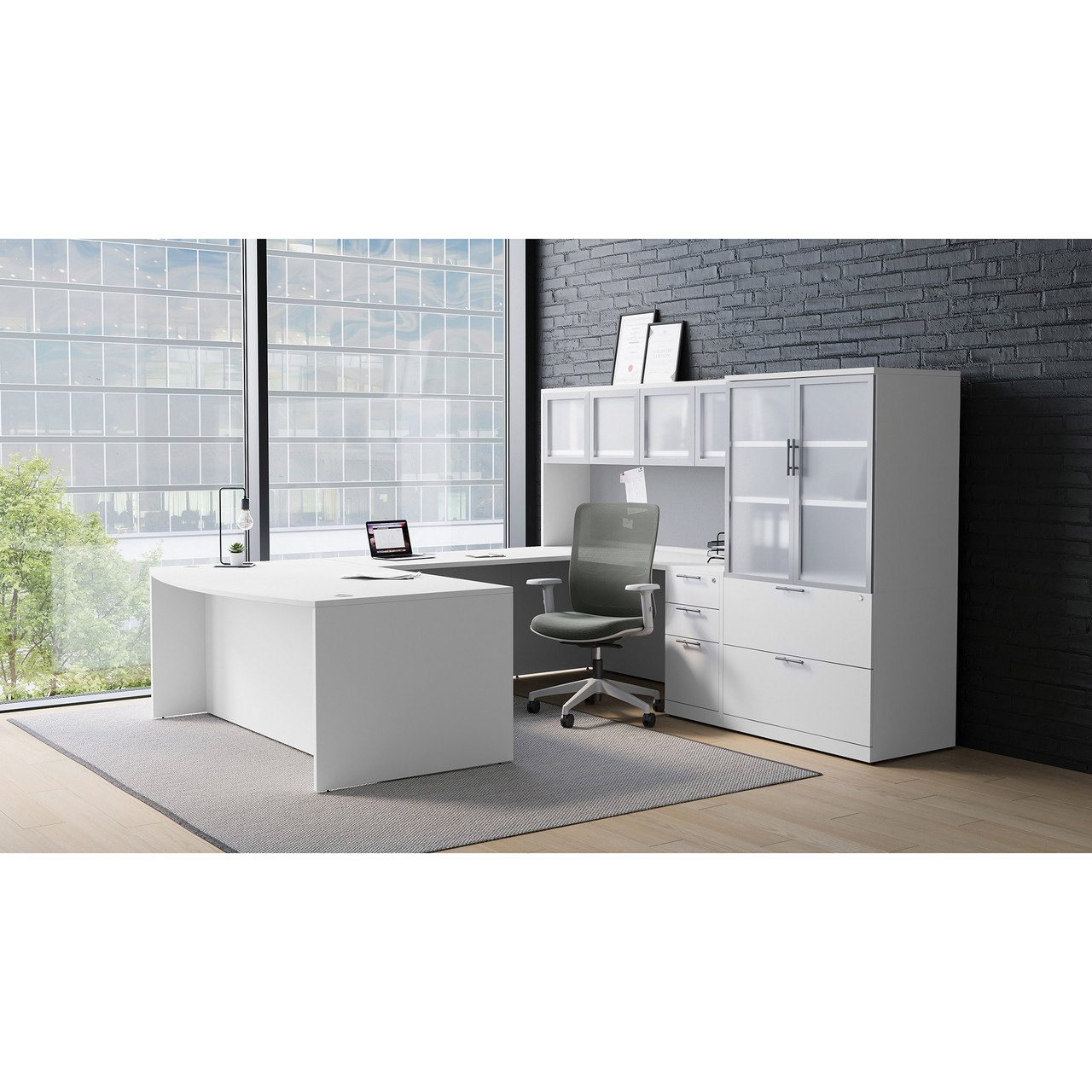
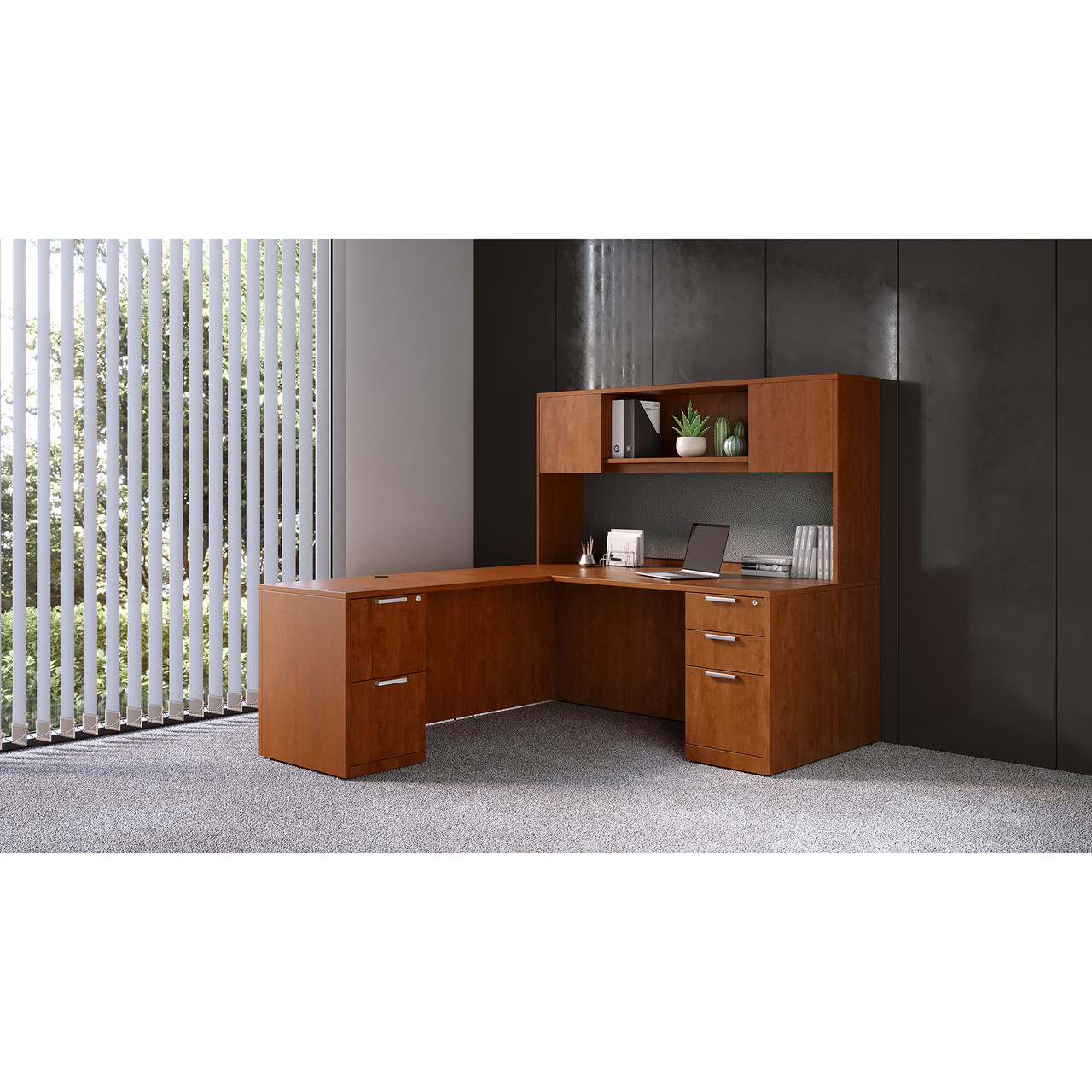
When comparing OfficeSource OS Laminate Typical OSTYP387 with OfficeSource OS Laminate L Shape Typical OS86, the biggest difference is how each one supports daily work. OSTYP387 centers on a 71"W bow front desk shell, so it’s a strong fit when client interaction, presentation, and a more executive feel matter. The bow front shape makes meetings feel more welcoming while still keeping the laminate workspace clean and practical. OS86, on the other hand, leans into an L-shaped layout that usually gives users more usable surface area for multitasking, paperwork, dual monitors, and storage access. For busy managers or teams that spread out, that extra room can be a real productivity boost. Think about footprint, meeting style, storage needs, and how much visual presence the office should project. OSTYP387 works well for front-facing offices; OS86 fits better in productivity-heavy back offices. Both are solid commercial office furniture choices—the better pick depends on workflow more than price alone.
How to Set Up an Office Suite Without the Usual Headaches
Step 1: measure the room, including door swings, window placement, outlets, and path clearance. Step 2: map the suite layout on paper or with tape on the floor so you can visualize traffic flow. Step 3: place the main desk first, then add returns, storage, and accessories in order of daily use.
Step 4: route cables before loading equipment—this avoids the usual tangle under the desk. Step 5: test chair movement, monitor height, and drawer access; adjust before final tightening. A good workspace should feel open enough for movement but dense enough to keep tools within reach. Common errors? Blocking vents, ignoring glare from windows, or putting storage too far away from the user. One small IT-style tip: label cables and power runs early, because cleanup is always easier before everything is plugged in. I’ve done enough office setups to know the messy part happens fast. If you keep the process simple and resist the urge to cram in extra pieces, the whole office suite usually feels better from day one. And if the layout still feels off, step back—sometimes the problem is the flow, not the furniture.Conclusion
A good office suite does more than fill space—it supports workflow, improves presentation, and makes procurement simpler. The biggest value points are pretty clear: coordinated design, practical storage, durable materials, and flexible layouts that fit real work. For wholesale office furniture buyers, the best results usually come from balancing features and budget instead of chasing the most expensive option. Premium isn’t always better; sometimes the best suite is the one that handles daily use without fuss. A smart office desks bulk purchase can save time now and reduce replacement costs later, which is why I tend to favor practical, well-built laminate systems. Before you decide, compare dimensions, layout, storage, and how your team actually works. Then narrow the shortlist, look at the details, and choose the suite that fits the job. If you’re ready to move forward, explore the office suites category and pick the setup that feels right for your space.
Frequently Asked Questions
Common questions about Office Suites