Modular Desks: 5 Smart Reasons They Beat Fixed Workstations for Growing Offices
If your team changes size, layout, or workflow every few months, why keep buying fixed furniture? Modular desks offer a flexible answer for modern workplaces balancing hybrid schedules, shared spaces, and budget pressure. In my experience, the best office furniture decisions usually come down to adaptability, not just looks. They support reconfiguration, better space planning, and long-term cost control. With open-plan offices, collaboration zones, and multi-use rooms everywhere, it makes sense to browse OfficeSource’s official website for commercial options and compare the benefits, common use cases, and a practical buying decision.
What Makes Modular Desks So Flexible?
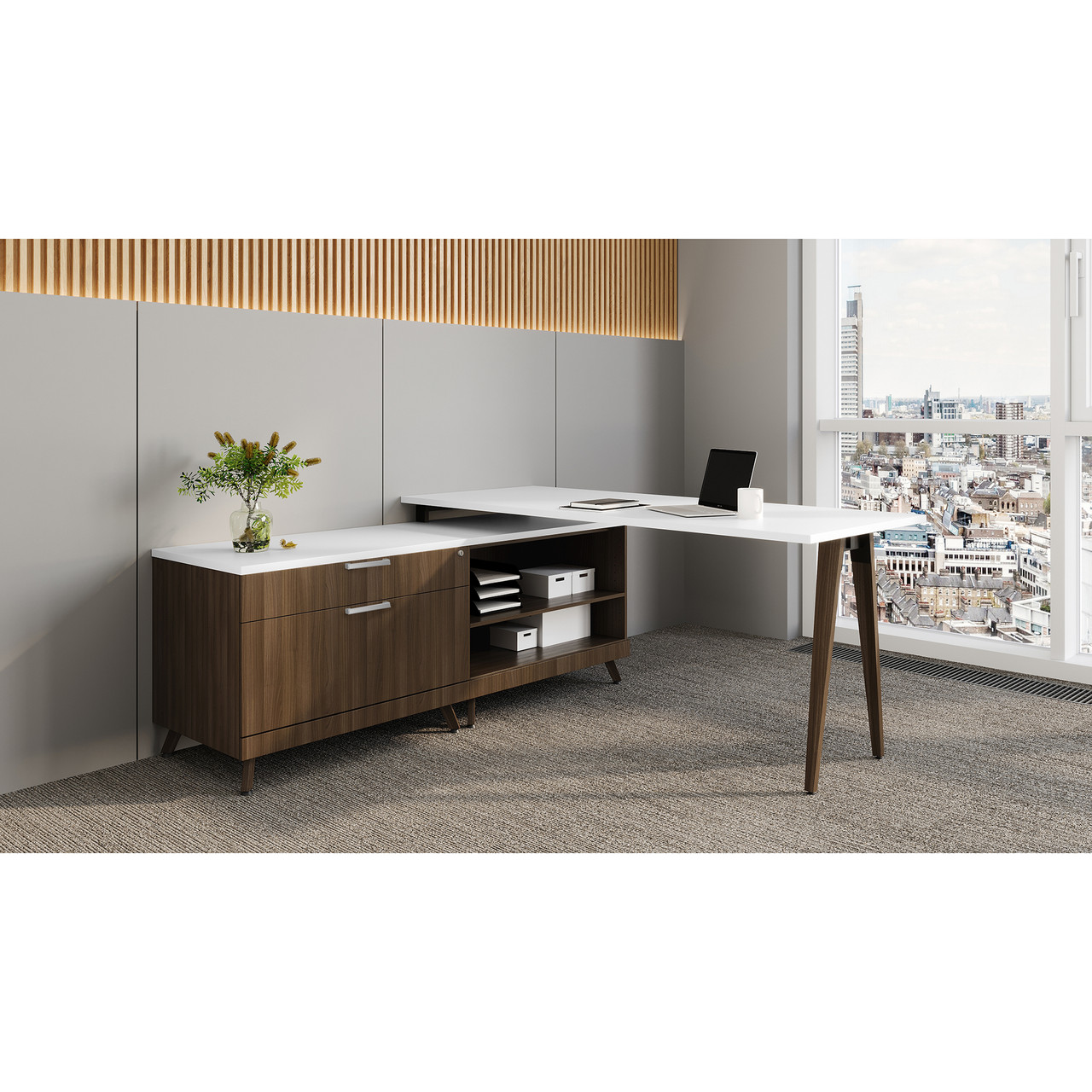
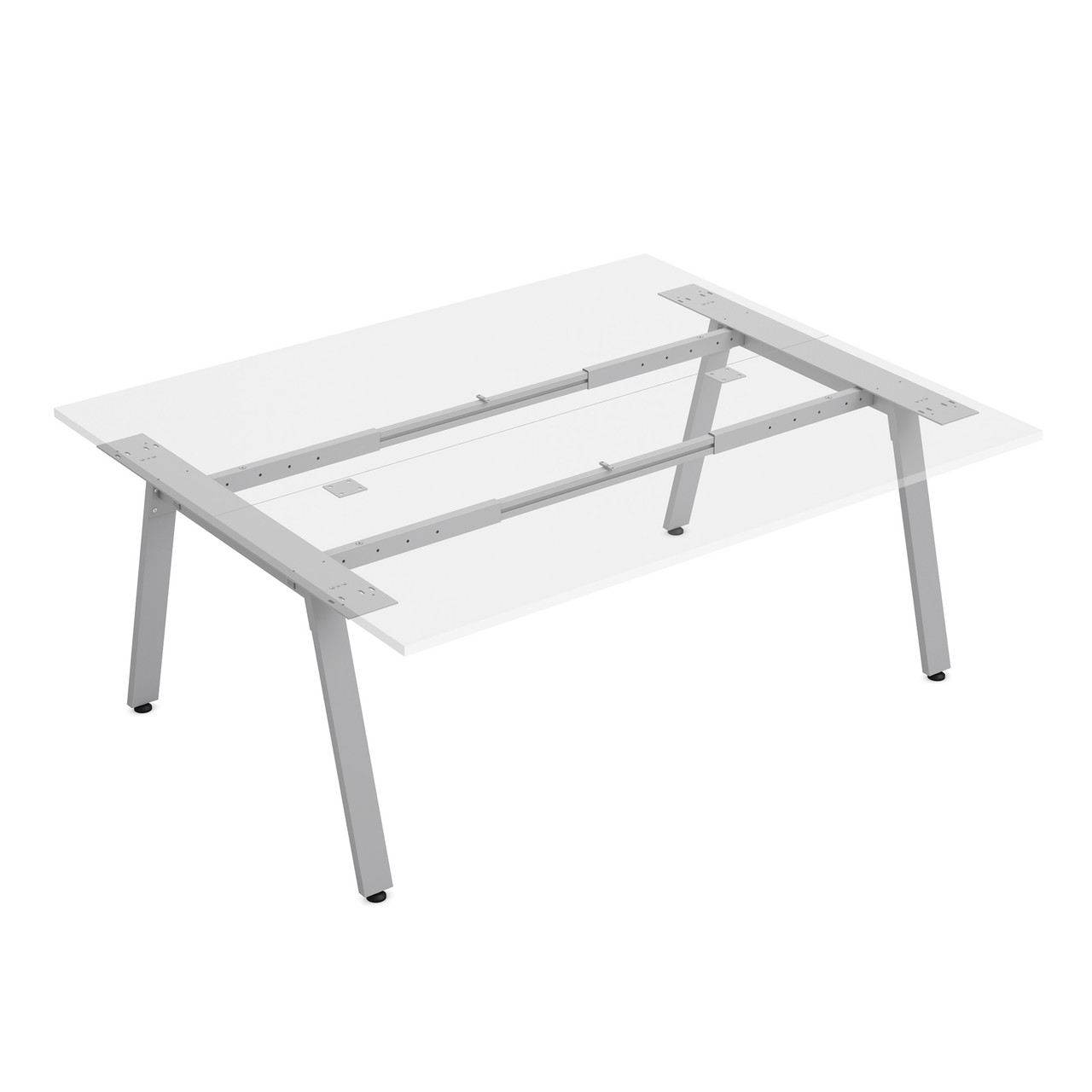
Modular desks stand out because the parts actually work together. You can mix interchangeable components, scalable layouts, shared work surfaces, corner pieces, return sections, and compatible bases or tops to build a setup that fits the room instead of fighting it.
When a team grows, shrinks, or shifts between solo work and collaboration, that flexibility saves real time. Surface depth, connector points, cable management cutouts, and finish options also matter more than people expect; those small details shape daily use. I’ve seen offices buy wholesale office furniture in phases for exactly that reason—start with a core setup, then add sections later. Fixed office desks can look polished, sure, but they usually lock you into one layout. If you’re planning a room with the same space-efficiency mindset used for meeting areas, the room-planning basics for conference spaces are worth comparing. The best modular setup is the one that can move with the business, not force the business to work around it. Category options often make that easier to visualize.How Modular Desks Improve Productivity and Day-to-Day Value
A good modular desk setup does more than save space—it quietly makes the workday smoother. Cleaner lines reduce visual clutter, shared tools are easier to reach, and the whole office usually feels more professional when clients walk in.
Ergonomics matter too: proper desk height, leg clearance, and the option to pair modules with ergonomic chairs wholesale solutions can make a noticeable difference over long days. Picture a 10-person office that needs 6 individual stations and 1 collaboration zone; with modular desks, that layout can often be reworked faster than replacing every piece of furniture. That’s the kind of practical ROI people overlook. Premium finishes aren’t always worth it if the team doesn’t need them; sometimes durable, well-sized commercial office furniture is the smarter buy. I also like the sustainability angle—if one section wears out, you replace that section instead of the whole desk. For mixed-use rooms, the same logic applies when you’re choosing the right conference table shape and surface. In my opinion, that kind of flexibility is where modular desks really earn their keep. Category selections can help you compare options without overbuying.Where Modular Desks Work Best in Real Offices
Modular desks shine in places where change is normal, not rare. Startup offices, training rooms, coworking spaces, administrative back offices, client-facing service desks, and shared project zones all benefit from furniture that can shift with the workload.
They’re especially useful when teams need office desks bulk purchases with room for future expansion, or when staffing changes with the season. I’ve seen IT groups appreciate modular furniture most because equipment racks, monitors, and cable runs never stay the same for long; a modular layout makes rerouting and cleanup much less painful. That said, not every space should feel ultra-flexible—some leadership areas still work better with a traditional executive desk, which is why it helps to think function first. If you’re weighing that decision, the criteria in what to look for in an executive desk first overlap more than you might think, especially around durability and layout fit. Modular desks make the most sense when the office needs flexibility more than showpiece furniture, and category browsing usually makes that obvious pretty fast.What to Look for Before You Buy Modular Desks
Before you buy modular desks, start with the specs—not the product photo. Check dimensions, material thickness, edge banding, frame stability, weight capacity, finish durability, and module compatibility.
Then measure the room carefully. Door swings, power access, walkways, windows, and HVAC vents can all change the final layout. One of the most common mistakes is underestimating cable management, monitor arm clearance, and storage needs; those details can turn a good desk into a daily annoyance. Commercial office furniture buyers should also ask about lead times, replacement parts, and warranty coverage, because support matters after the install. If the office is changing fast, I usually recommend starting with a smaller modular set and expanding later rather than spending everything upfront. That approach feels a lot like buying conference tables wholesale: plan for scale, not just today’s headcount. From my IT-side point of view, the best desk is the one that fits the room, the team, and the next 12 months—not just the current floor plan. Category listings can make that planning step easier.Modular Desk Comparison: Beveled Leg Base vs. Corner Transaction Top
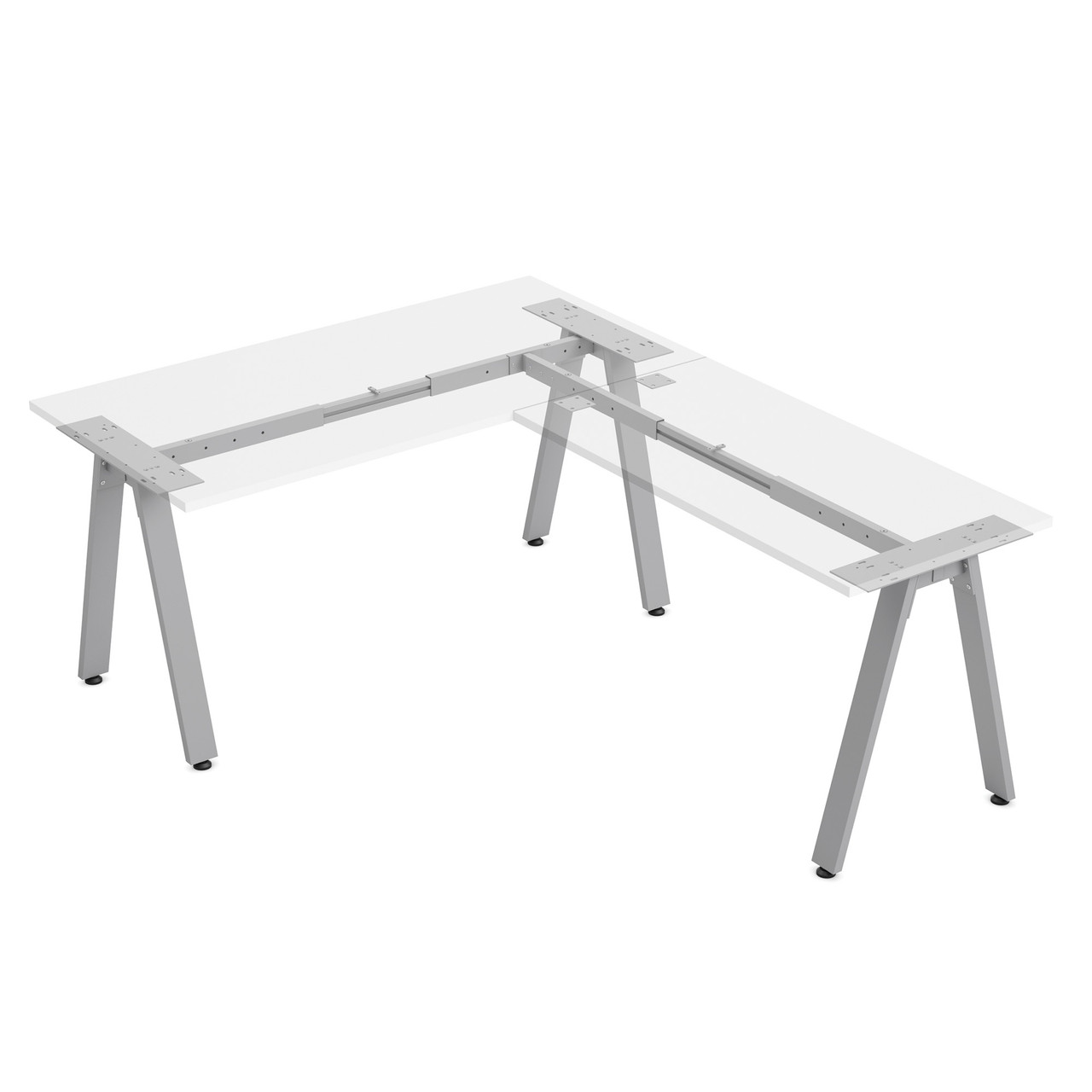
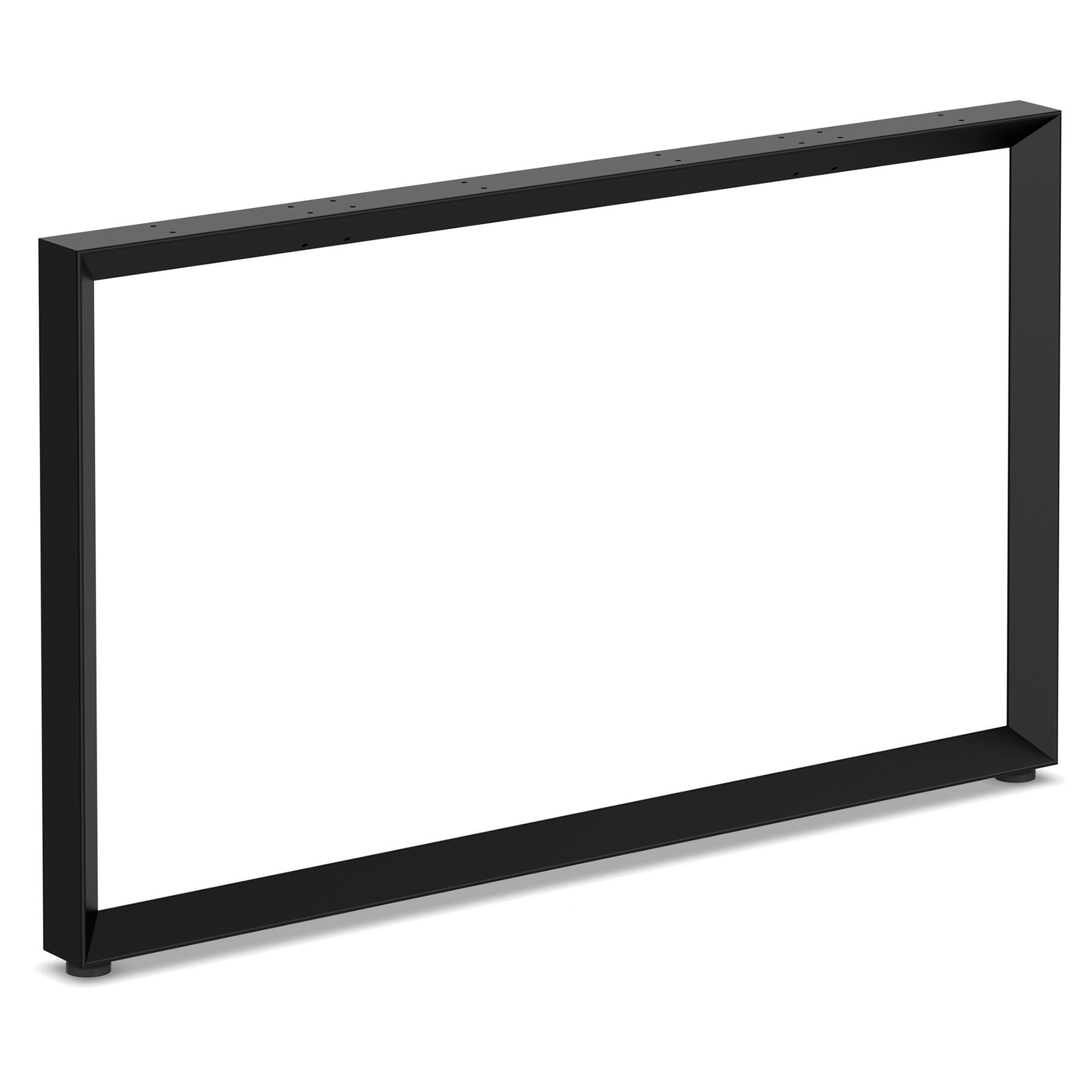
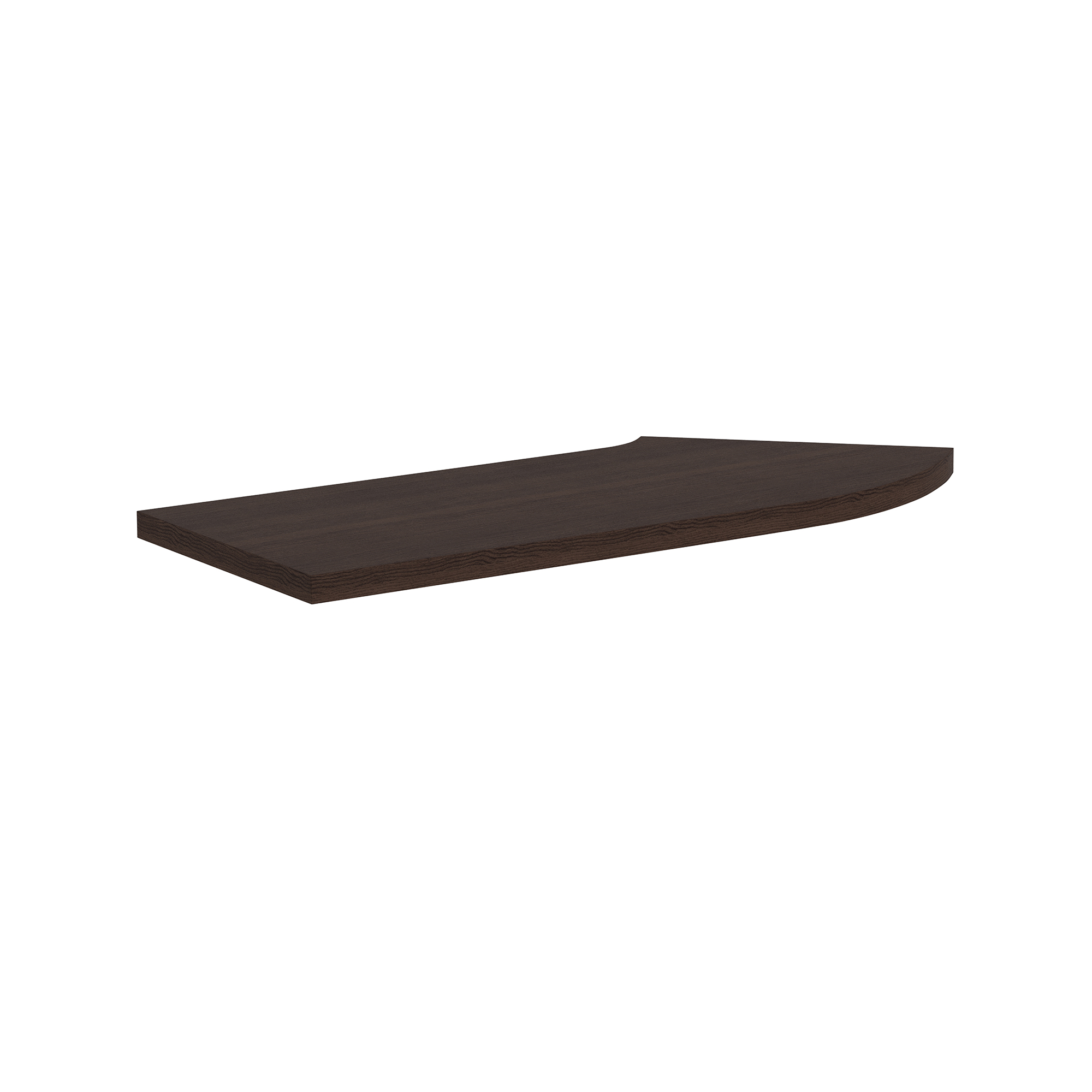
When comparing the Beveled Style Leg Base - 47.8"W with the Borders II | Corner Transaction Top 30"W x 12"D (Left), you’re really looking at two different modular jobs. The leg base is the structural-support side of the equation: it’s built for a 48"D top, comes in silver and black, and gives conference or multi-purpose tables a clean, modern foundation. The corner transaction top, on the other hand, is more about interaction at the edge of the workspace. It creates a smooth handoff surface for clients or coworkers, which is handy in reception-style or service-oriented layouts. I’d use the leg base when stability, visual style, and table support matter most; I’d pick the transaction top when quick exchanges are the goal. If the office needs a flexible meeting surface, the leg base is the broader fit. If it needs a targeted corner zone, the transaction top is the smarter choice. Not every space needs premium extras, and that’s okay.
How to Plan a Modular Desk Setup Without Guesswork
Start with the room. Measure wall lengths, outlet locations, windows, door swings, and traffic paths.
Step 2: define the work modes you need—individual focus, collaboration, reception, or training. Step 3: sketch a layout using desk modules that match the room shape and team count, leaving room for chairs, drawers, and cable routing. Step 4: verify compatibility between tops, legs, and connector hardware before ordering. Step 5: place the modules, then test movement paths, screen visibility, and power access. Step 6: adjust for ergonomics—seat height, monitor distance, and leg clearance. My best advice? Build in one extra module or expansion point if you expect growth in the next year. If the setup feels crowded, reduce depth before reducing quality; circulation space usually matters more than one extra storage pedestal. That small adjustment often solves the problem without a redesign.Conclusion
At the end of the day, modular desks are really about flexibility, not just furniture. They give growing offices scalability, better workspace efficiency, cleaner workflows, and stronger long-term value. In my experience, offices rarely stay static for long, so furniture that can adapt usually ages better than furniture chosen only for today’s layout. That said, a simple fixed desk can still be enough for very small teams or temporary setups, and premium modular systems aren’t always worth the extra spend. But for shared work areas, customer-facing spaces, and teams that expect change, modular designs make planning a lot easier. If you’re comparing finishes, dimensions, or workflow needs, especially while shopping wholesale office furniture or building a mixed commercial package, take a careful look at the options. The right modular setup should make the space feel bigger, calmer, and easier to use—so start with the category page and build from there.
Frequently Asked Questions
Common questions about Modular Desks