Are Modular Desks Worth It for Growing Offices?
Is your office starting to feel cramped, rigid, or hard to reconfigure when the team changes? Modular desks are a practical choice for businesses that want flexibility without losing a professional look. In today’s market, office furniture utah buyers and office furniture salt lake city planners often want new office furniture that adapts to hybrid schedules, growing teams, and shifting workflows. Like an IT system that works until it scales, modular setups solve more problems than they create when chosen carefully.
What Makes Modular Desks So Flexible?
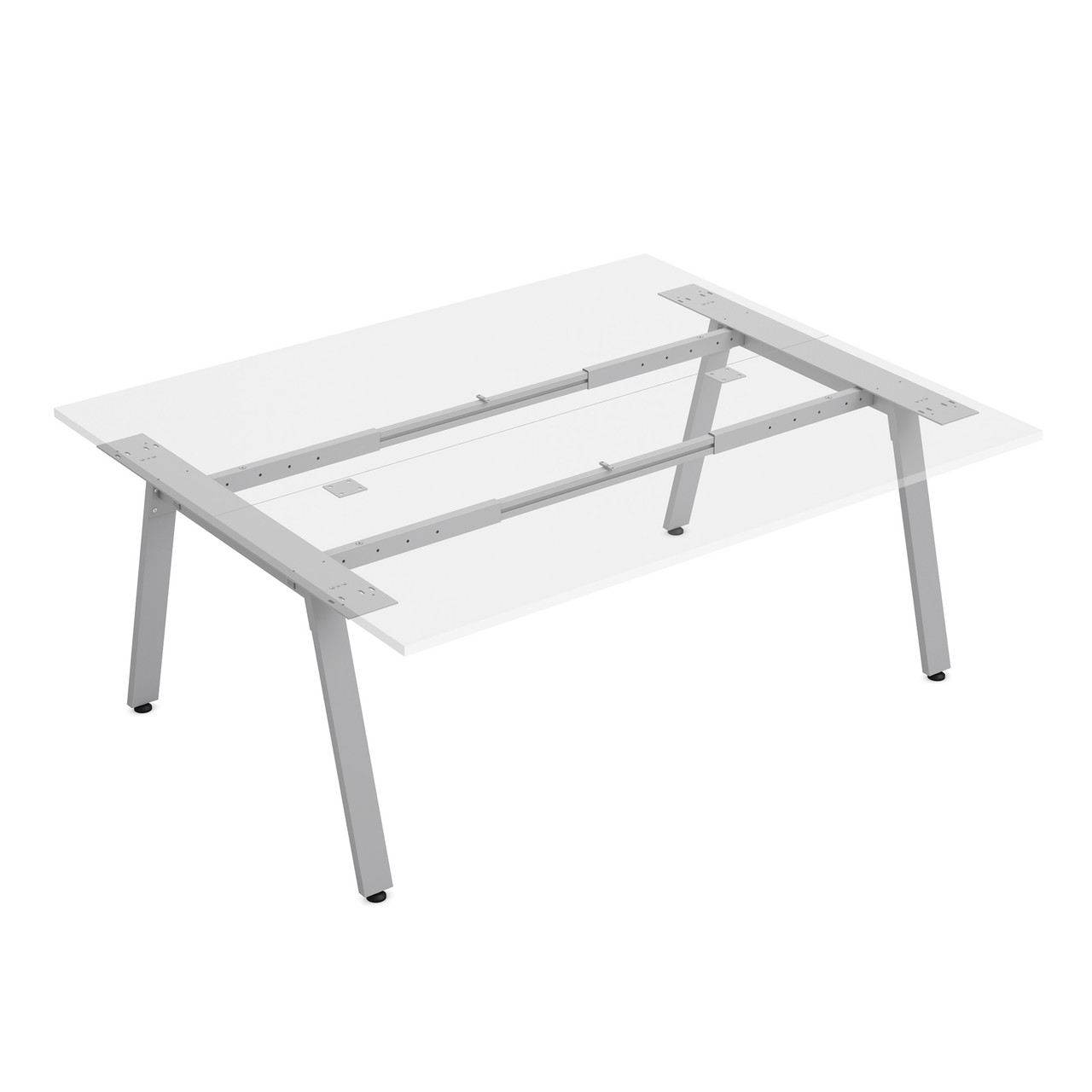
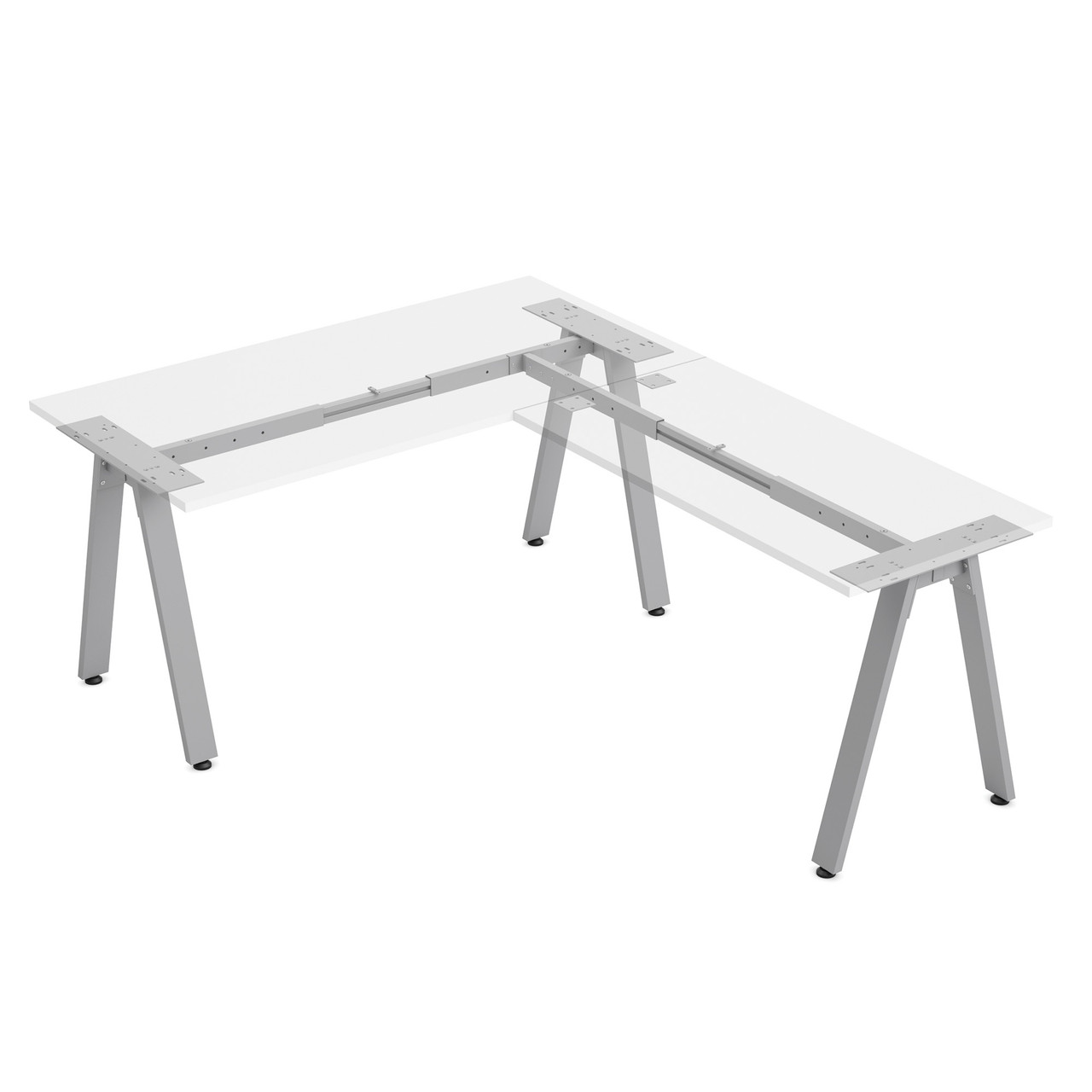
At the core, modular desks are built from separate components that can be arranged, expanded, or swapped as needs change. That usually means corner units, L-shaped modules, desk risers, integrated cable management, and surface options sized for monitors, keyboards, and docked accessories. The real feature, though, is system-level flexibility—very much like a smart network that can be reconfigured without a full rebuild.
Buyers usually look at width, depth, corner configuration, and how many users can fit inside one shared footprint. A 30-inch-deep unit may work in a tight office, while a 36-inch surface feels better for dual screens. Modular desks also pair well with ergonomic office chairs, standard office chairs, conference tables, and storage units, which helps keep the whole room consistent. Commercial office furniture buyers often care about repeatable parts, standardized dimensions, and future expansion because those details make office space planning easier later. Pro Tips: measure pathways, wall clearance, and monitor arm placement before you order. I’d also check whether the finish is truly necessary for your team; premium materials are nice, but not every office needs top-tier surfaces if durability and layout efficiency are already strong. If you want more structure for planning, the flexibility strategies we covered in this related post connect nicely with modular desk buying. For shoppers comparing setups by category, a browse through the modular desks collection can make the options feel less overwhelming.How Modular Desks Improve Daily Work and Team Productivity
The biggest benefit of modular desks is simpler, cleaner daily work. They improve flow, define work zones, and reduce the layout headaches that show up when people are hired, moved, or switched to hybrid schedules. In my experience, a busy office gets messy fast when everyone improvises their own footprint. Modular desks help reduce that friction because the space can stay organized without overbuilding it.
From an IT perspective, this matters more than people think. When support desks, admin teams, or hybrid employees need quick access to monitors, docking stations, printers, and peripherals, a modular setup makes troubleshooting easier. Cable routing is cleaner, power access is more predictable, and the whole environment feels less chaotic. That also helps with ergonomics: fewer awkward reaches, better screen positioning, and less clutter around the chair path. Office space planning gets easier too, because desk systems can grow with hiring cycles instead of forcing a full redesign every year. Office furniture installation is often simpler when components are standardized, and future rework drops. Hybrid work, right-sizing, and sustainability are shaping the market, so many buyers prefer flexible new office furniture over replacing entire layouts later. Used office furniture can still be a smart budget move, but modular systems usually win when change is likely. Common Mistakes to Avoid: buying for looks alone, ignoring dimensions, and forgetting power and data access. Wholesale office furniture shoppers often get the best return when they prioritize flexibility and lifecycle value over flashy extras.Where Modular Desks Work Best in Real Offices
Modular desks shine in small to mid-sized offices that are adding people gradually. Instead of doing a complete reset every time the team grows, you can extend the layout in stages. That matters because offices almost always evolve more than people expect (especially after the first busy hiring season). Customer-facing spaces are another strong fit: reception zones, service counters, and admin areas benefit from a clean modular layout that supports both staff and visitors.
They also work well for shared work zones like IT support, HR, accounting, project coordination, and operations. These teams usually need fast reconfiguration, and modular pieces make that much easier. Pairing modular desks with office workstations, conference tables, and storage systems creates a cohesive environment instead of a patchwork setup. I’ve seen companies open with six staff, then jump to twelve, and suddenly the original plan is useless. Modular units let them rework the layout in phases instead of shutting everything down for a disruptive overhaul. Budget-wise, premium options aren’t always necessary. Sometimes a simpler configuration is the smarter buy if the office is stable. On the other hand, growing businesses and seasonal teams usually benefit from scalable systems. That’s why office furniture store buyers often ask whether modular means expensive, and the honest answer is usually no—at least not when you compare it with repeated replacement costs. There’s also an environmental angle: fewer replacements can mean less waste and better lifecycle value. If you’re comparing room types, the modular desks category is a good place to start.What to Look for Before You Buy
Start with dimensions. Check width, depth, corner shape, and whether the unit fits the room without blocking traffic or storage. After that, look at materials and finish: laminate, metal framing, edge banding, and scratch resistance all matter, especially in active offices. Cable management, monitor support, and accessory compatibility should be on the checklist too, particularly if you run multiple screens or docked laptops. Buyers in office furniture utah and office furniture salt lake city markets often compare wholesale office furniture catalogs, so clear specs save time.
Next, ask whether the system can expand later with matching modules, risers, or corner pieces. Ergonomics matter as well; pairing the desk with ergonomic office chairs can change comfort more than people expect. I’d also ask about delivery timelines, office furniture installation support, and whether the vendor can help with office space planning. If two systems look similar, choose the one with better component standardization and serviceability. You’ll usually thank yourself later. For current configurations, finishes, and availability, OfficeSource’s official product lineup is the place to verify the details. Used office furniture might save money today, but new office furniture often wins when reliability and future expansion matter most.Modular Desk Comparison: L-Shaped Desk vs. Corner Transaction Top
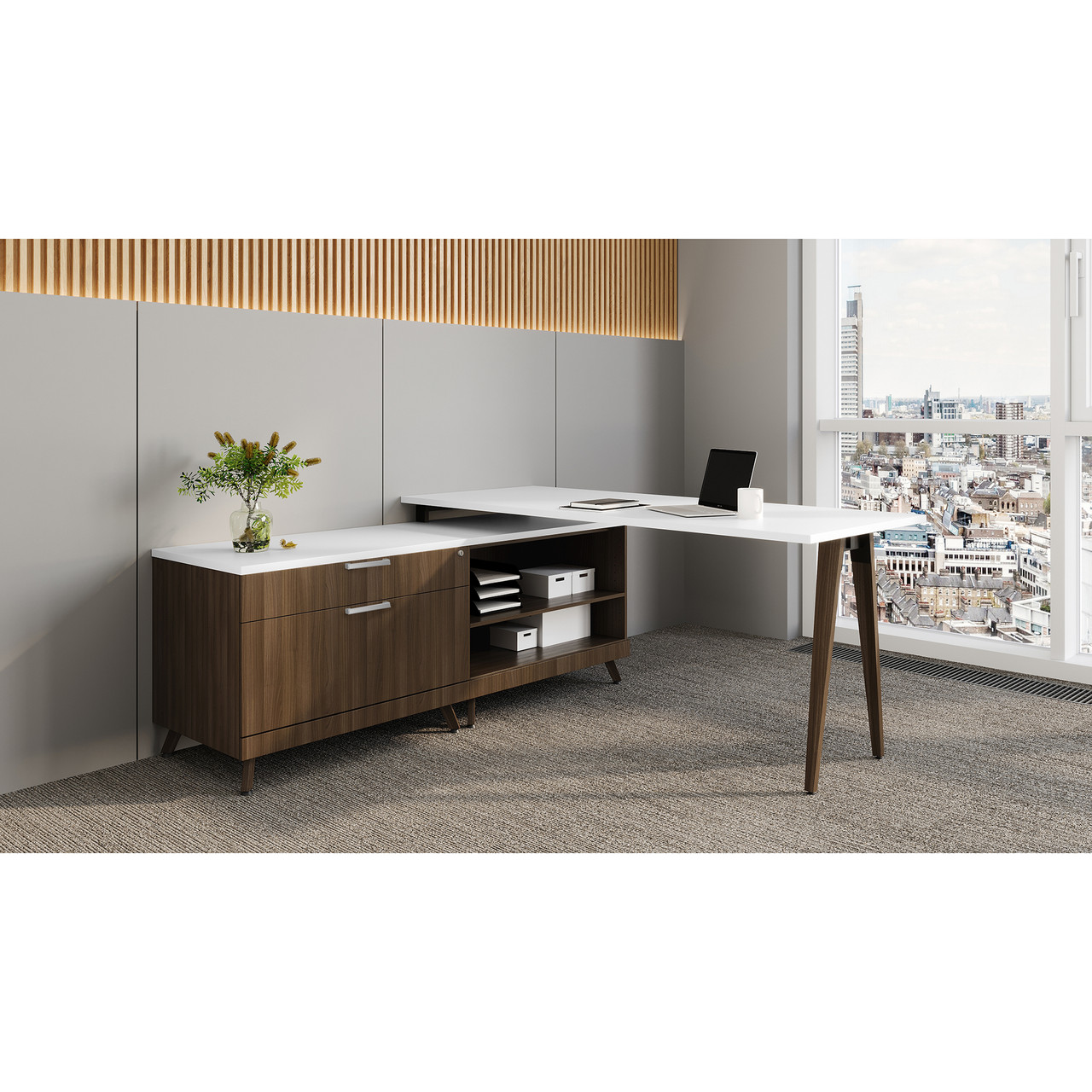
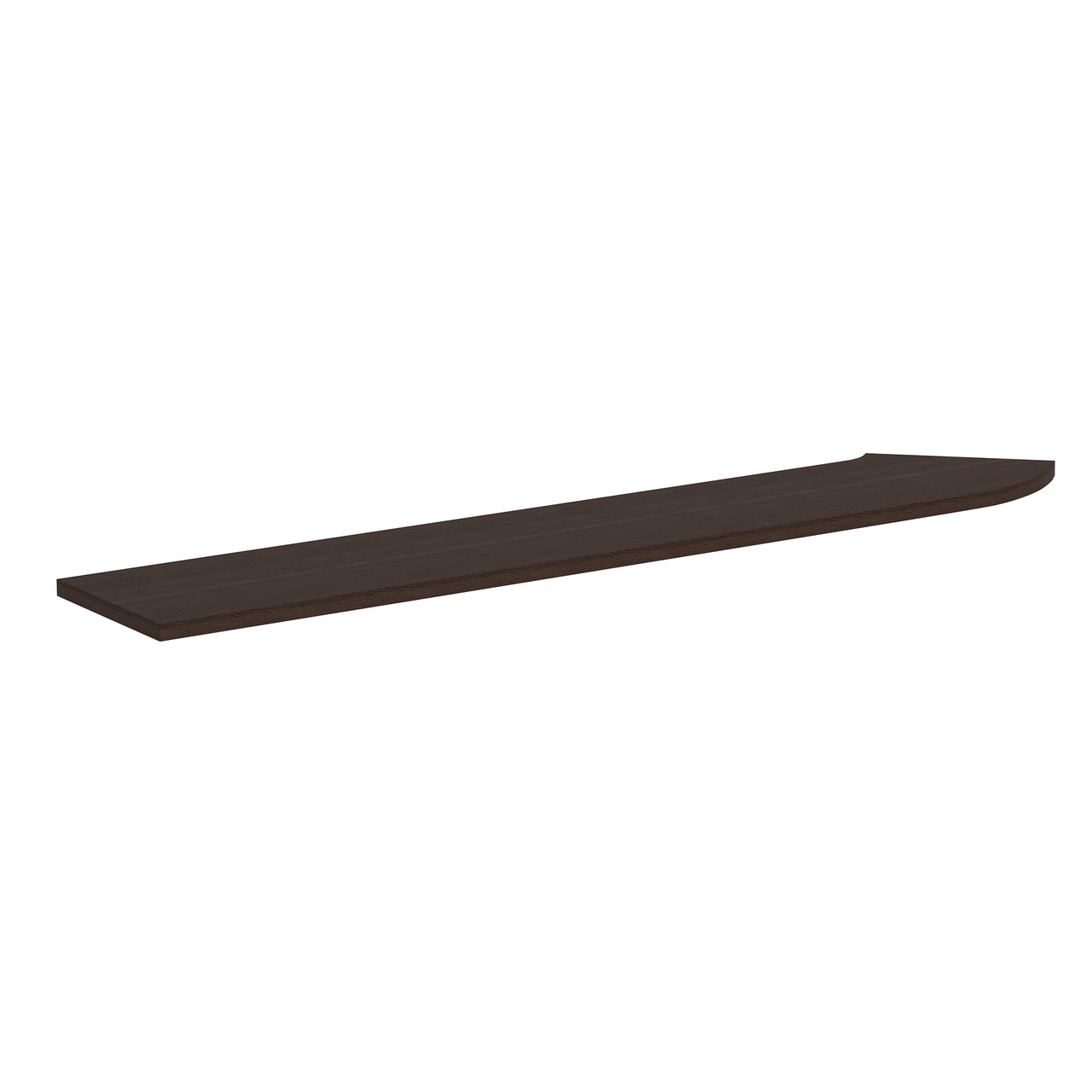
When comparing OfficeSource | Variant | 24"D L-Shaped Desk w/Desk Riser - Oblique Style with OfficeSource | Borders II | Corner Transaction Top 66"W x 12"D (Left), the first thing to notice is how different the work surfaces feel. The L-shaped desk is built for deeper individual work zones, so it gives users more room for monitors, paperwork, and side-by-side tasking. The desk riser is a practical bonus too—it can support standing flexibility or layered organization.
The Corner Transaction Top is narrower and more specialized. It works better in reception points, collaborative service counters, and other customer-facing spaces where a smooth interaction surface matters more than a full workstation footprint. In other words, the L-shaped desk fits an IT workstation or admin hub, while the transaction top fits front-desk and client service use. Both support modular office space planning, but they solve different problems. My take? Choose the L-shaped desk when productivity and equipment space matter most. Choose the transaction top when first impressions and client interaction take center stage.
How to Set Up a Modular Desk Area Without Guesswork
Begin by measuring the room. Note doors, windows, outlets, HVAC vents, and traffic paths before you order anything. Then map the workflow: who needs what, where the monitors go, and whether the space needs customer access or private focus areas. Once that’s clear, choose the desk configuration that matches the job—corner pieces for shared zones, L-shapes for individual productivity, and transaction tops for reception or service areas.
After that, plan cable management before assembly so power and data don’t turn into a mess later. Place office chairs and ergonomic office chairs only after the desk footprint is locked in, because seating clearance gets overlooked all the time. Confirm delivery and office furniture installation details too, especially if the layout includes multiple workstations or bulk office furniture orders. Quick checklist: test walkways, verify monitor height, and leave a little expansion room for future growth. If the setup feels cramped, rotate the desk orientation before buying more furniture. I’ve seen too many offices rebuilt twice because nobody measured first.Conclusion
Modular desks are really about adaptability, efficiency, and smarter purchasing—not just trends. When the layout can change with the team, you get flexible work zones, stronger day-to-day productivity, easier office space planning, and better long-term value. And honestly, you don’t need the fanciest setup to get real results. In many offices, a well-planned modular system beats a premium fixed workstation that can’t adapt later.
That’s especially true for businesses shopping office furniture store options, wholesale office furniture deals, or bulk office furniture packages. The big question is change tolerance: how well will the system handle growth, reconfiguration, and mixed-use spaces? In my experience, the offices that stay functional are the ones that plan for change instead of fighting it. So compare specs, think through your workflow, and choose office desks and office workstations that match how your team actually works. If you’re ready to make a move, explore the modular desks category and build a setup that can handle today’s needs and tomorrow’s surprises without turning into a costly redo.Frequently Asked Questions
Common questions about Modular Desks