What Should You Look for in Guest Seating That Feels Welcoming, Durable, and Worth the Budget?
Guest seating is often the first thing people notice when they walk into a reception area, waiting room, or collaborative workspace. In my experience, offices usually buy desks first and realize later that seating shapes the first impression just as much. It’s really part of wholesale office furniture and commercial office furniture planning, not an afterthought. Today’s market leans toward flexible, polished seating that works hard without looking bulky. Let’s look at what to compare, when to upgrade, and when premium isn’t the smartest buy.
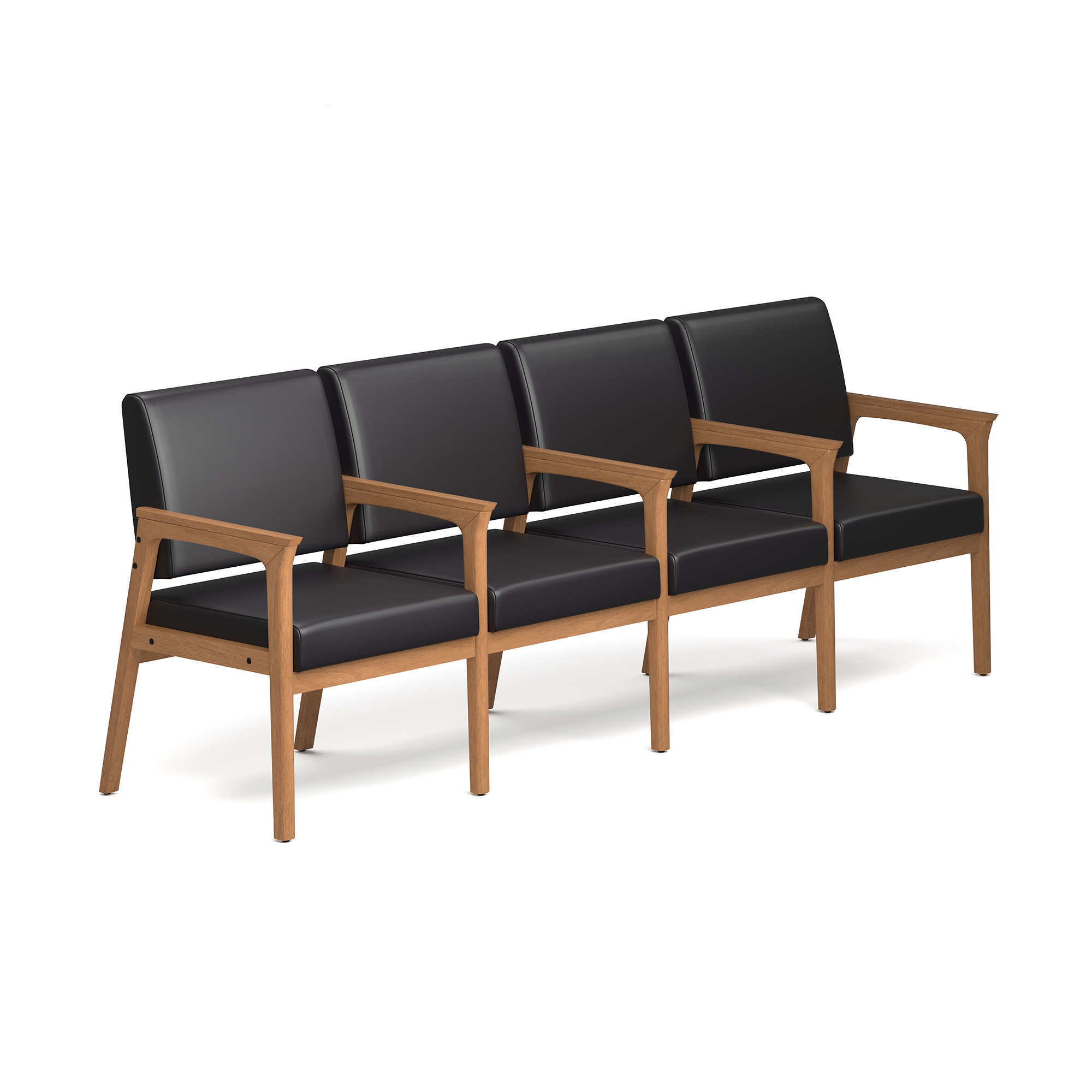
1) Start With Comfort, But Don’t Stop There
Comfort is usually the first filter, and for good reason. If a guest sits down and instantly feels awkward, the seating has already failed. Seat depth, cushion density, back support, and half-arm or armless styling all shape that first impression. Upholstered finishes can soften a reception space, while simpler shells feel lighter and more universal.
Ergonomic chairs wholesale buyers often obsess over adjustments, but guest seating usually needs a cleaner comfort profile. It should support short-to-medium stays without getting fussy. A premium cushion isn’t always worth it if visitors only wait ten minutes. In a law office, clinic, or IT front desk, stability matters more than oversized plushness. I’d also think about the broader guest seating category early, because comfort and layout have to work together. That balance usually says more about your brand than a logo ever could.2) Pick Materials and Build Quality That Can Handle Real Use
Behind the scenes, build quality matters just as much as looks. Frame construction, upholstery type, stitching, padding resilience, and weight capacity all affect how guest seating performs after months of traffic. People drop bags on chairs, shift around, and clean spills often, so commercial office furniture needs tougher materials than residential pieces, even when the design looks similar. Faux leather wipes down fast, fabric can feel warmer, and coated surfaces usually handle busy lobbies well.
Here’s my buyer’s checklist: stain resistance, easy maintenance, stable legs, and a finish that won’t show scuffs too quickly. From an IT professional’s point of view, it’s a lot like choosing reliable hardware—you don’t always want the flashiest setup, just the one that stays dependable when demand spikes. Before you decide, I’d review OfficeSource’s official seating and furniture catalog for specs, finishes, and matching collections. It saves time and usually prevents expensive guesswork later.3) Match the Seating to the Space, Traffic Pattern, and Layout
Guest seating is not one-size-fits-all, and that’s where many buyers miss the mark. A compact reception area needs something very different from a training room overflow zone or a collaborative lounge. Seat count, footprint, and arm style all affect traffic flow, especially in smaller offices where every inch matters. The same efficiency mindset used for office desks bulk planning applies here: don’t block pathways, sightlines, or charging stations.
Think about a startup lobby, an HR waiting area, a healthcare admin office, or a hybrid workplace where visitors and impromptu meetings share the same zone. Sometimes a 2-seater and a 4-seater combination works better than one long row. On the other hand, overcrowding can make a room feel cramped instead of welcoming. In my experience, a modest budget often looks more premium when the layout is smart. A poorly placed expensive set? That can look oddly cheap.4) Think About Style, Brand Image, and Long-Term Value
Guest seating also carries a lot of visual weight. The design should match the office identity—modern, classic, minimalist, executive—without trying too hard to be trendy. Colors, arm shapes, stitching, and frame finishes all shape the first impression.
Some offices chase the most premium-looking piece, but honestly, premium isn’t always worth it if the room already has strong anchors like glass walls, artwork, or polished flooring. What usually matters more is a clean, professional look that lasts. A well-built chair or loveseat can have a lower lifecycle cost because you’re not replacing it every year or two. That’s a big deal in commercial office furniture, where budget planning is really about total value, not just sticker price. I’ve seen simpler models outperform fancier ones because they fit the environment better. That same logic shows up in executive desk planning and even conference table selection: style should support the space, not fight it.OfficeSource Baker 4-Seater with Half Arm vs. OfficeSource Aiden 2-Seater with Half Arm
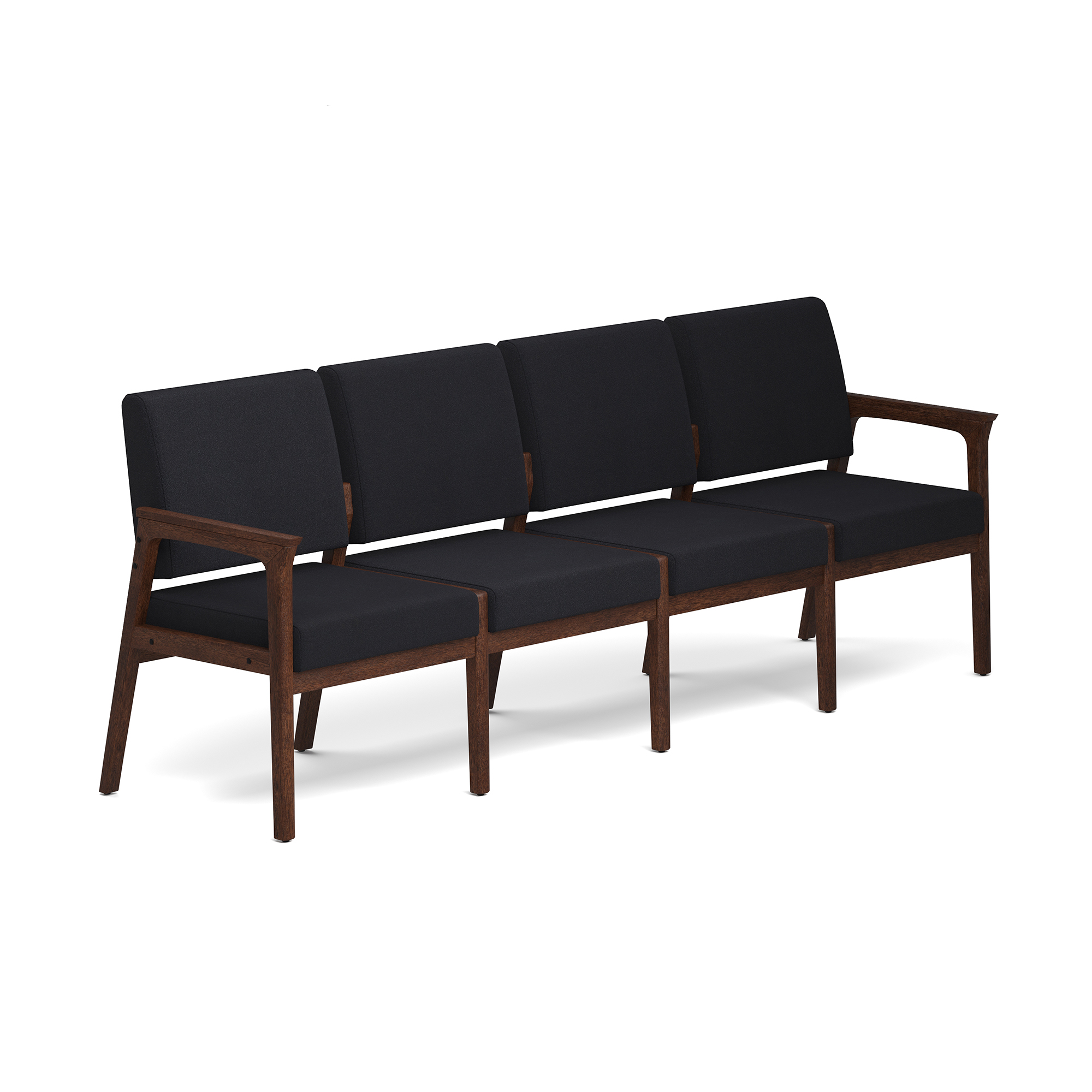
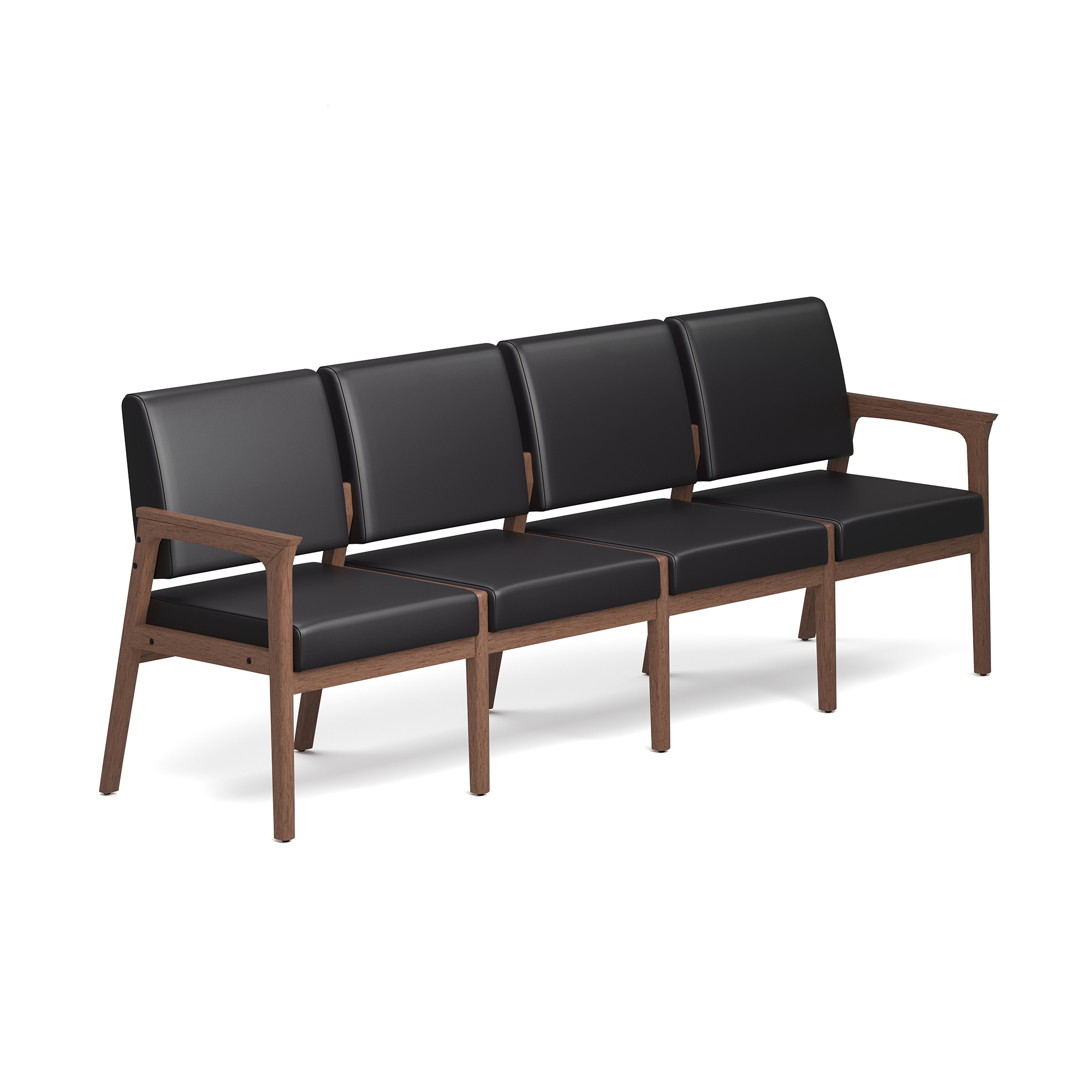
When comparing the OfficeSource Baker 4-Seater with Half Arm and the OfficeSource Aiden 2-Seater with Half Arm, the main difference is capacity versus agility. Baker is the stronger pick when you need more guest seating in a reception area, larger waiting room, or collaborative zone. Its four-seat format helps reduce clutter and keeps visitors grouped neatly. Aiden, meanwhile, works better in smaller offices, private suites, or compact guest areas where flexibility matters more than maximum capacity. Both bring modern styling, half-arm support, and a polished look that fits commercial office furniture settings. Baker makes steady traffic easier to manage; Aiden is easier to reposition when the layout changes. For reception, HR waiting areas, or executive offices, the right choice usually depends on how many people you seat at once. If traffic is steady, Baker often makes more sense. If space is tight, Aiden gives you more breathing room.
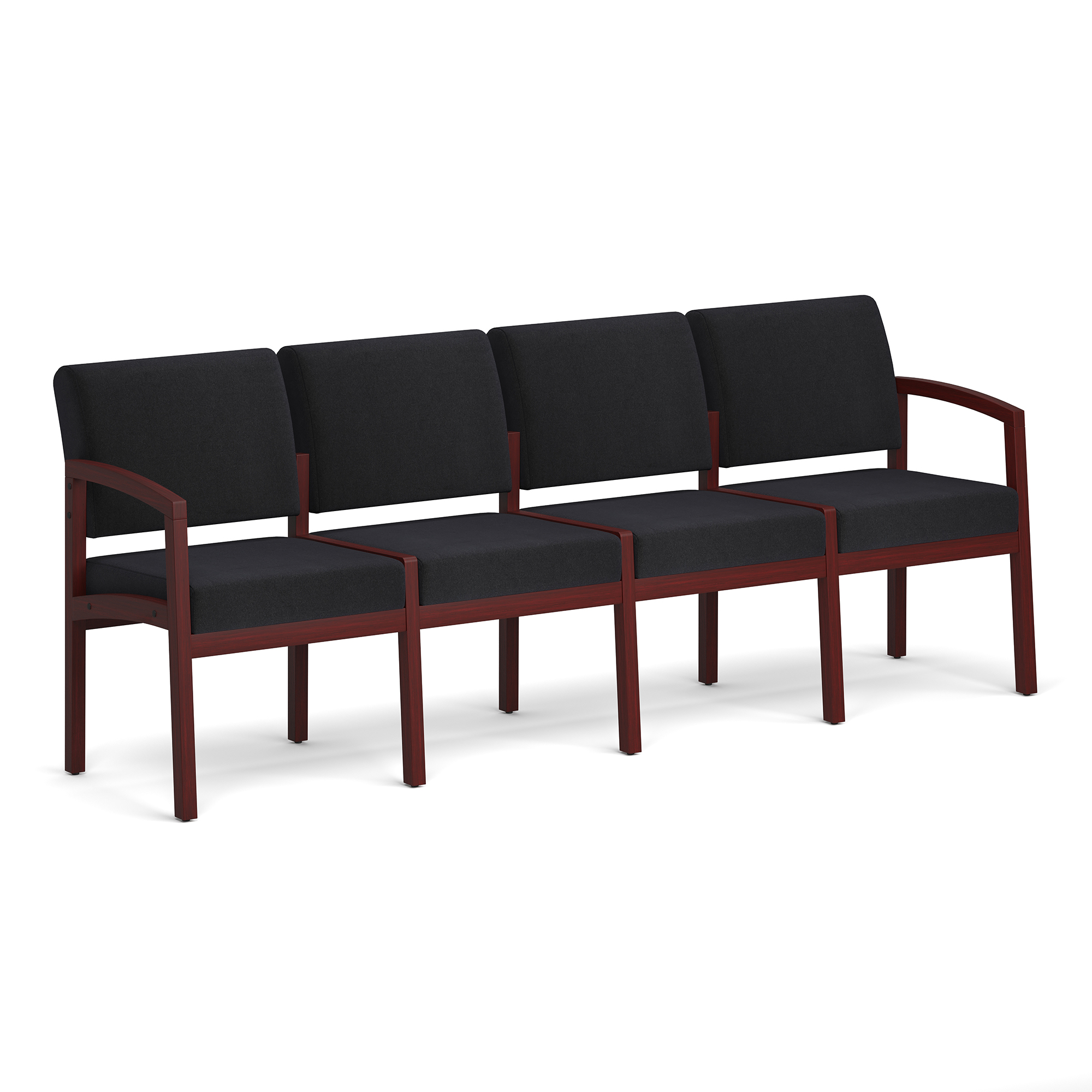
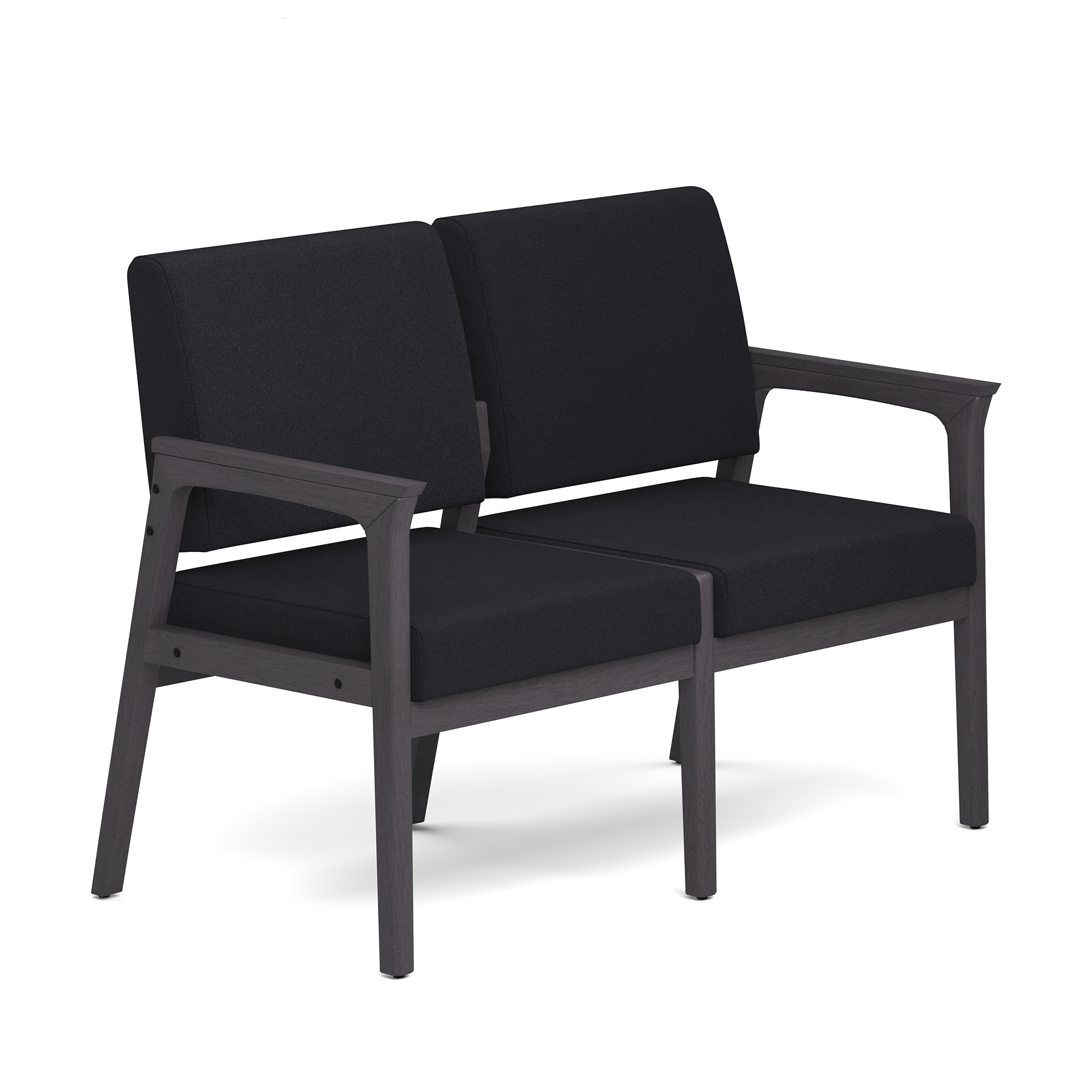
How to Choose Guest Seating Without Guesswork
Start simple. Step 1: measure the room and map traffic flow—don’t guess. Step 2: decide how many visitors you need to seat at once, then choose a 2-seater, 4-seater, or mixed arrangement. Step 3: check durability, weight capacity, and cleanability, especially in high-use spaces. Step 4: match the style to the office brand and existing furniture so the area feels intentional, not pieced together. Step 5: compare price against lifespan and maintenance; cheapest upfront is not always cheapest over time.
Quick wins? Place seating near light sources, avoid blocking entry paths, and leave room for bags or coats. If you’re also reviewing office desks bulk or conference tables wholesale, this is a great time to align finishes across categories for a cohesive look. A few minutes of planning usually saves a lot of frustration later.Conclusion
Strong guest seating blends comfort, durability, layout efficiency, and visual appeal. You don’t need the most expensive option to create a professional welcome area. In fact, the smarter move is often choosing seating that fits the room, holds up to daily use, and matches the office’s overall style. Guest seating is part of a bigger commercial office furniture strategy, not a standalone purchase. The best choice depends on traffic, room size, and how long guests typically wait. If the space needs to feel open and flexible, smaller seating may win. If the office handles more visitors, a larger configuration can improve flow and comfort. My advice: compare product specs carefully, review vendor details, and choose a piece that makes the front office feel welcoming from day one. For a practical next step, browse the guest seating category and narrow your shortlist from there.
Frequently Asked Questions
Common questions about Guest Seating