Are Modular Office Desks the Smartest Upgrade for a Growing Workspace?
When teams grow, layouts shift, and fixed furniture starts boxing everyone in, office planning gets messy fast. Modular desks solve that by letting you reconfigure, expand, and simplify without starting over. They’re gaining traction in commercial office furniture, wholesale office furniture, and office space planning because they fit real change. In my experience as an IT professional, the best upgrades solve today’s clutter and tomorrow’s growth together. I’d start with OfficeSource’s lineup and see what fits.
What Makes Modular Desks So Useful in Real Offices?
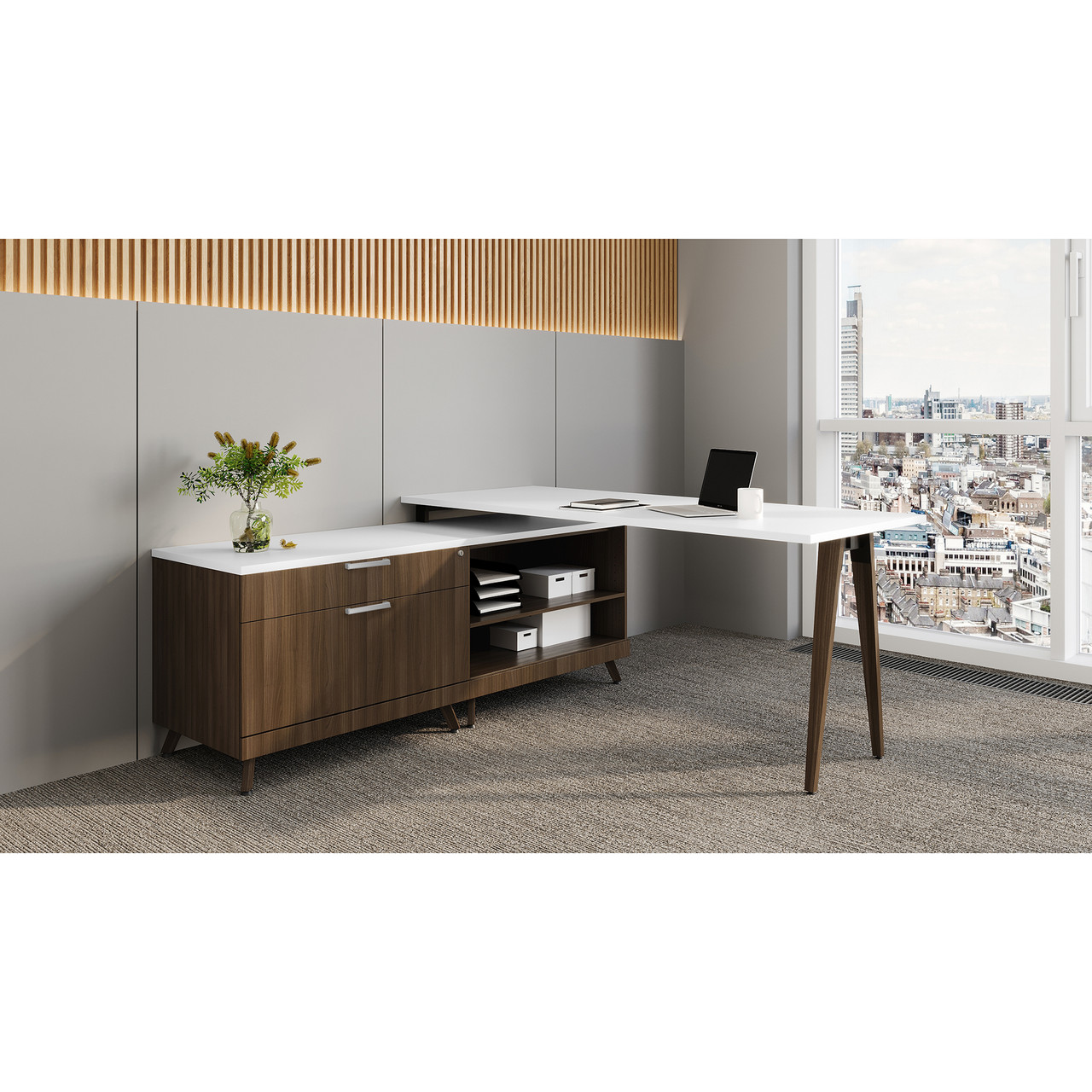
Modular desks are desk systems built from parts you can combine, move, or expand as needs change. Instead of locking you into one fixed workstation, they give office furniture stores and buyers in office furniture Utah or office furniture Salt Lake City more room to plan around actual workflows.
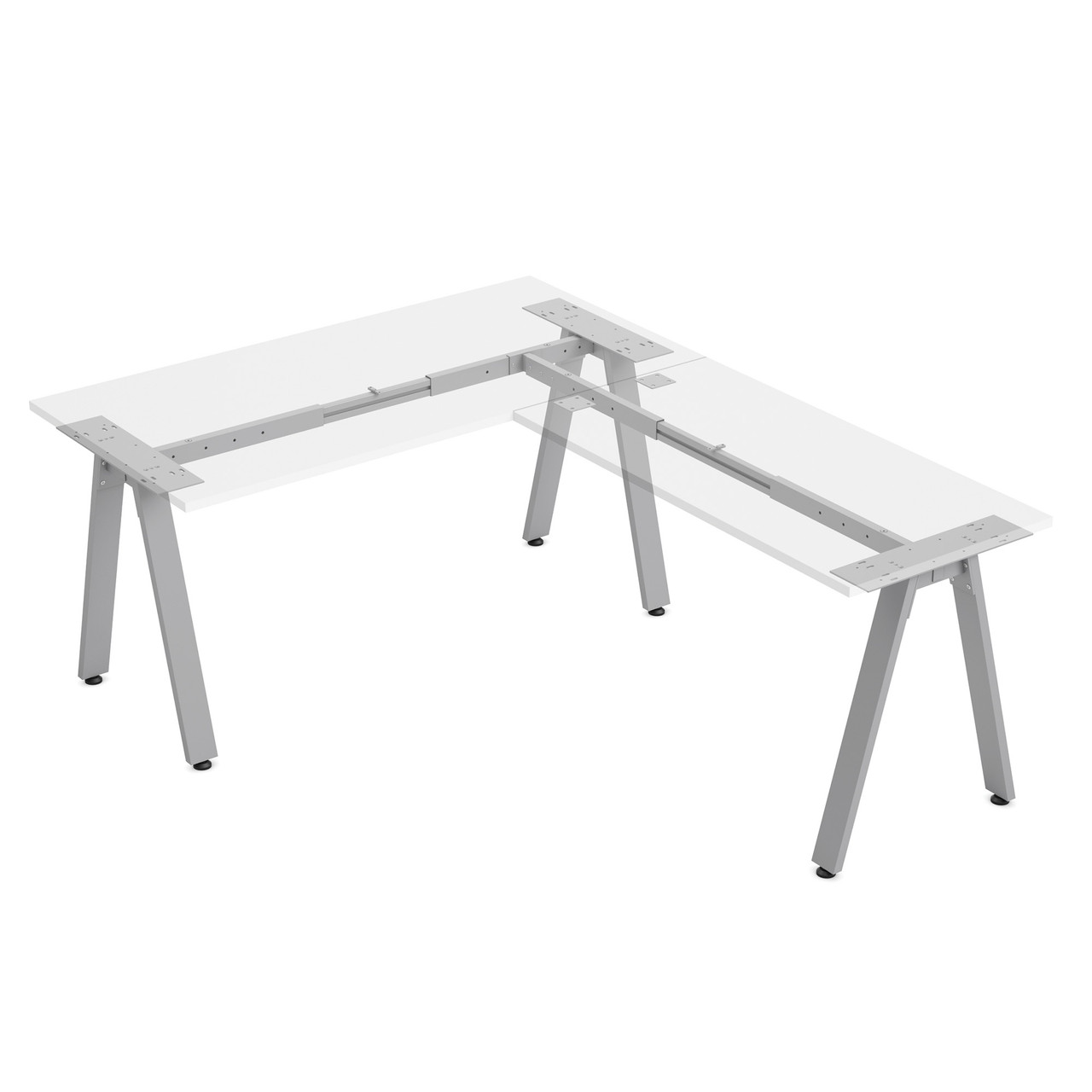
That usually means interchangeable legs, shared bases, rectangular tops, workstation panels, and multi-user layouts that can handle solo seats or team clusters. Standard widths often run from 48 to 72 inches, and deeper tops help when monitors, docking stations, or dual-screen setups are part of the day. I’ve seen these office desks work well for growing companies, seasonal staff changes, and hybrid schedules because they keep the layout adaptable. They can also reduce waste; you don’t always need to replace the whole setup when one department grows. That matters for sustainability, and it makes bulk office furniture purchasing feel a lot smarter. And honestly, modular doesn’t have to mean premium-only. Sometimes the simplest configuration is the best budget move, especially when you’re browsing a practical commercial office furniture category and trying to stretch every dollar.Why Modular Desks Often Beat Fixed Workstations on Value
The big win with modular desks is long-term value. You’re not just buying a surface; you’re buying a system that can lower replacement costs, make office furniture installation easier, and adapt when floor plans change.
If a team grows from four people to eight, a modular setup can usually scale without starting from scratch. That saves time, money, and a few headaches I’ve seen derail otherwise good office moves. It also helps when you’re coordinating conference tables, office chairs, or ergonomic office chairs as part of a full commercial office furniture package, because the look and dimensions stay consistent. Maintenance is simpler too—swap a section, adjust a panel, move a base. Workflow lanes tend to stay cleaner, and departments don’t end up with mismatched furniture that makes the office feel patched together. That said, premium options aren’t always worth it if the space is temporary or the team is still evolving. A well-built modular setup usually pays off in fewer surprises, though. For office furniture Salt Lake City buyers comparing new office furniture choices, the smart modular desk planning guide and this value-focused office growth article are good next steps.Where Modular Desks Fit Best: Teams, Departments, and Hybrid Spaces
Modular desks shine in open-plan offices, shared work areas, and admin pods where efficient office workstations matter every day. They’re also useful in reception zones, project rooms, IT support areas, small departments, and coworking suites.
When space planning has to account for monitors, docking stations, privacy panels, and frequent equipment changes, a modular system usually makes life easier. In my IT experience, cable runs and power access cause more trouble than the furniture itself; shared storage can be the hidden issue too. Modular layouts help tame all of that. I’ve also seen them work well in professional services, healthcare admin, and fast-growing startups that need quick turnarounds. You can pair some areas with used office furniture and others with new office furniture to control costs without making the space feel cheap. For many teams, the right layout beats the fanciest finish, and the office furniture category often has more practical options than people expect.What to Look for Before You Buy Modular Desks
Before you buy, start with measurements: desk width, depth, leg clearance, and aisle spacing. Then look at build quality—laminate thickness, edge banding, support frames, weight capacity, and surface durability for daily use.
Small details matter more than people think. Cable management cutouts, grommets, and under-desk access can save a lot of frustration later, especially if your team runs laptops, monitors, and phone chargers all day. I’d also match the desk system with office chairs, ergonomic office chairs, and storage so the setup feels cohesive instead of pieced together. Don’t skip installation logistics, delivery timing, or compatibility with existing bulk office furniture and office desks already on site. Common mistakes? Buying on looks alone, ignoring power access, and forgetting future expansion. Those are the fast ways to turn a good purchase into a stubborn one. A solid office furniture store should help with office space planning, not just ring up a sale.OfficeSource Rectangular Top vs. Unite Style Workstation: Which Fits Your Layout?
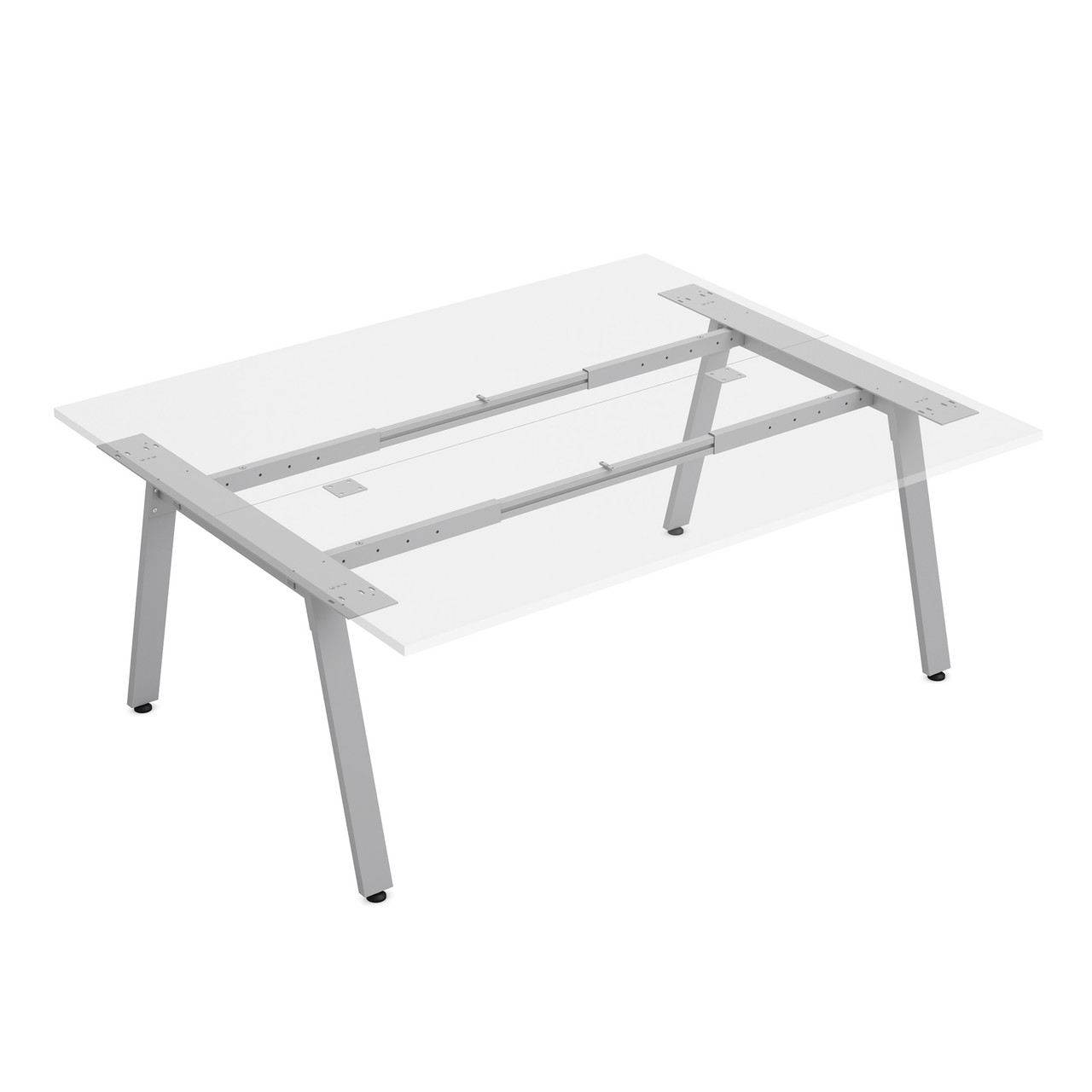
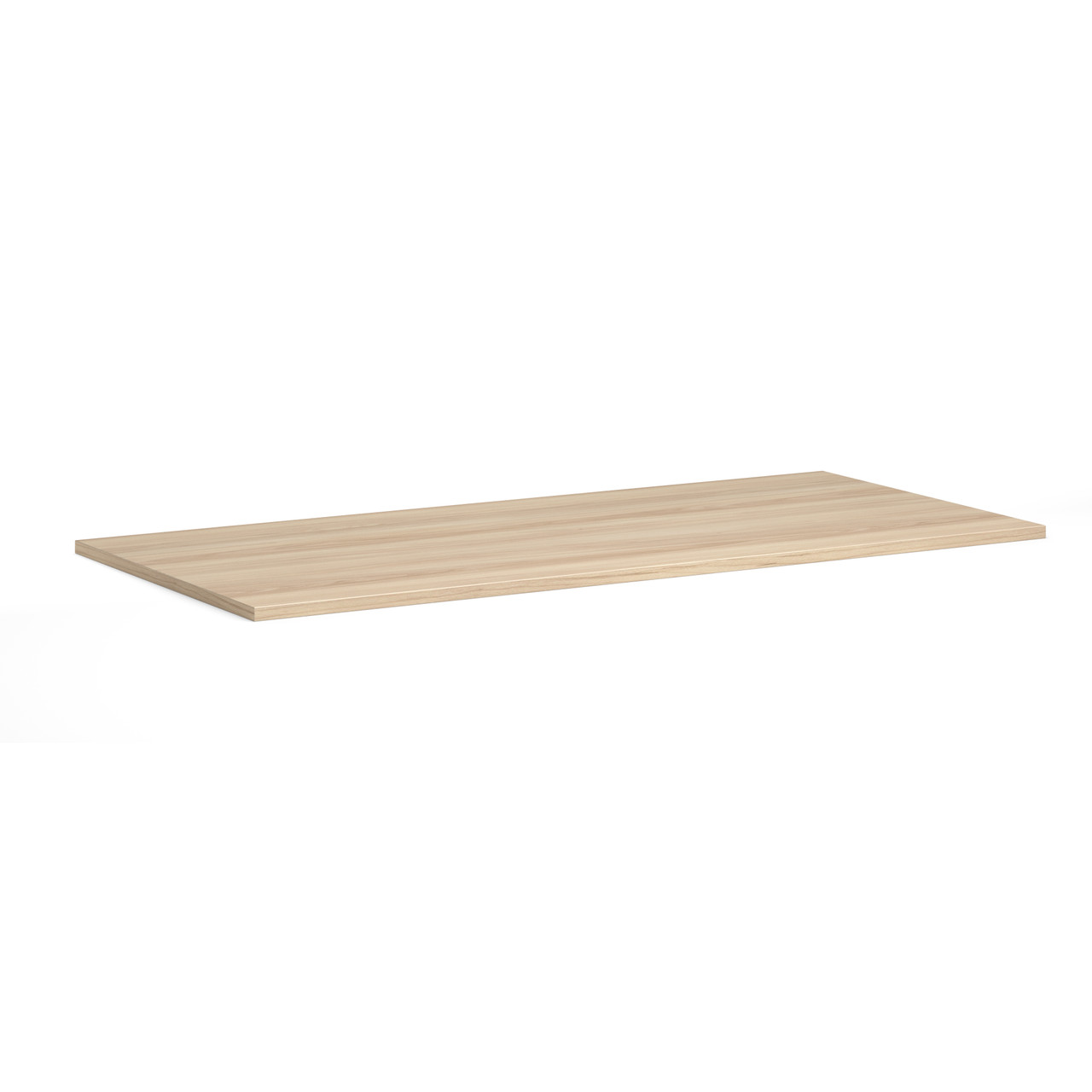
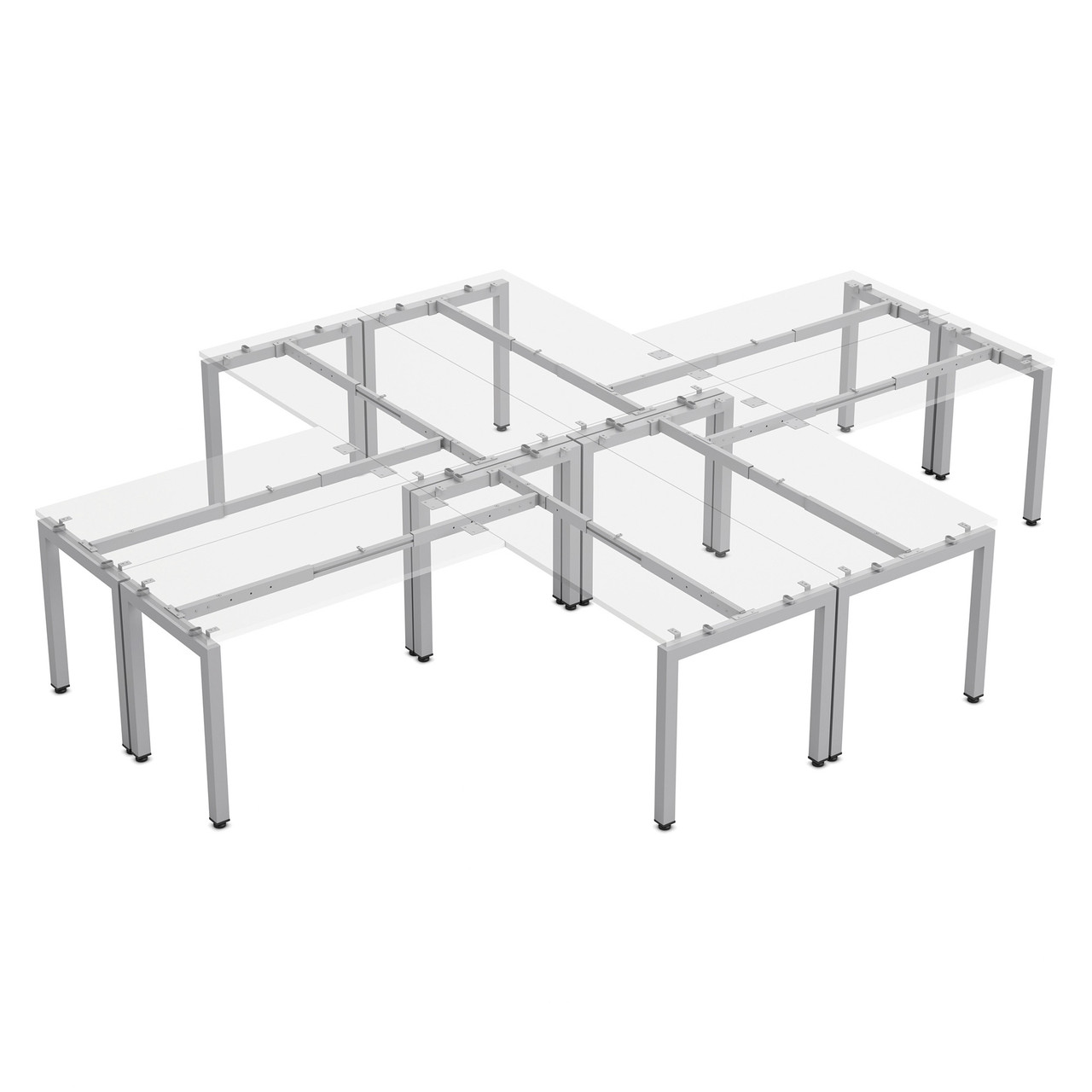
If you’re comparing the Rectangular Top 66"W x 30"D with the 48"D Multi-Person Workstation - Unite Style, the difference comes down to how your team works. The rectangular top is a straightforward pick for single-user office desks, private work areas, or a clean starting point when you already have a compatible base. It’s simple, adaptable, and easy to tailor. The Unite Style workstation, on the other hand, is built for team density and shared office workstations, so it fits collaborative departments, open-plan spaces, and faster deployment needs. The 66" x 30" top gives you flexibility without overcommitting. The 48"D system offers stronger multi-user capacity and better space efficiency, though installation can be a little more involved. If you want a tailored setup, choose the rectangular top. If collaborative density matters more, the Unite Style is the stronger fit.
How to Plan a Modular Desk Setup Without Guesswork
A good modular desk plan usually starts with the room. Measure the space, note power outlets, HVAC vents, and traffic paths, and don’t forget door swings.
Next, map who needs a desk, how many monitors they use, and whether they need privacy or collaboration. Then choose a modular desk layout that supports current needs plus one growth step. Before you order, confirm cable management, storage access, and chair clearance. After that, coordinate delivery and office furniture installation so the pieces arrive in the right sequence. Finally, test the setup with real workflows—typing, meetings, standing, and shared equipment use. I’d leave room for future office desks or even conference tables if the department expands. Small adjustments after rollout are normal; honestly, that’s usually where the best office space planning happens. And if budget is tight, mixing new office furniture with select used office furniture can keep things balanced without hurting function.Conclusion
Modular desks keep getting popular for a simple reason: offices change, teams grow, and furniture has to keep up. That’s really the whole story. The biggest advantages are flexibility, value, easier reconfiguration, and better support for modern office workstations. Premium systems can look impressive, sure, but they’re not always the smartest answer for every office. Sometimes a simpler setup is the better purchase, especially when budget, timing, and installation all matter at once. In my opinion, the best choice comes from matching the desk system to the team’s workflow, not chasing the fanciest finish. If you’re comparing options, start with a trusted office furniture store that understands wholesale office furniture, office furniture Utah needs, and broader commercial office furniture planning. Then think ahead: what will your office need six months from now? Compare layouts, ask a few practical questions, and explore the office furniture category before you commit.
Frequently Asked Questions
Common questions about Modular Desks